Guide: Panax Ginseng for Exercise Performance—Tradition Meets a Stubborn Finish Line
Panax ginseng has a long performance reputation, but controlled exercise trials have not shown a dependable endurance or power advantage.
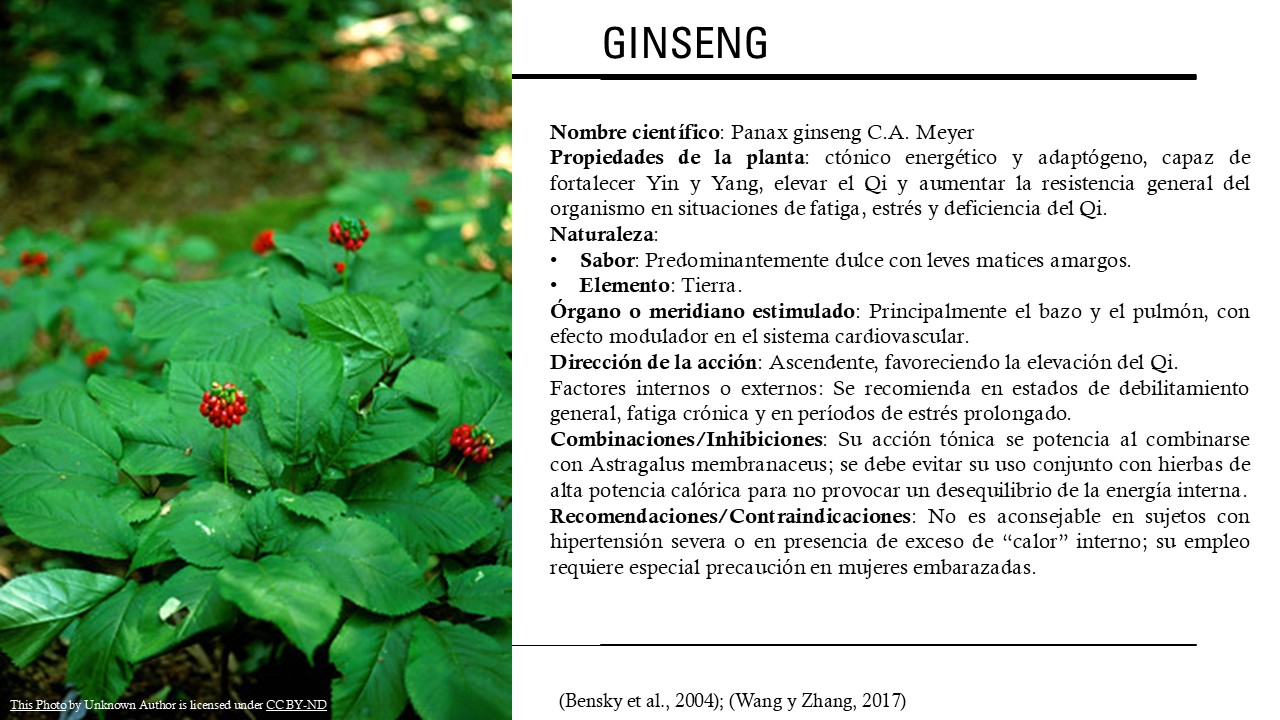
Panax ginseng may affect fatigue-related biology, but small controlled trials have not established a reliable improvement in aerobic capacity, sprinting or strength.
The useful answer before you buy
Panax ginseng carries centuries of traditional use and a modern promise of steadier energy. For an athlete, however, the finish line matters more than the origin story. Controlled studies have measured oxygen use, time to exhaustion, strength and recovery, yet the overall result remains inconsistent and often null. That puts ginseng behind foundations such as training, sleep and a sound creatine sports performance plan when strength or repeated high-intensity work is the goal. It may still be an interesting herb for some adults, but it should be treated as an optional experiment rather than a dependable ergogenic aid. The exact species and extract matter, so a label that says only “ginseng” is not enough.
Why the mechanism sounds convincing
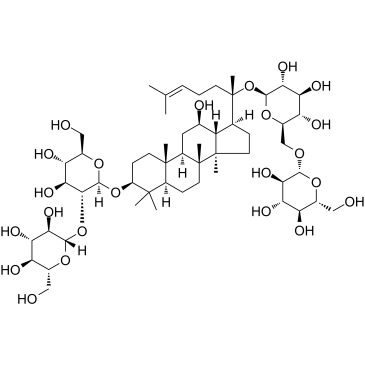
Panax ginseng contains ginsenosides, a family of plant compounds studied for effects on stress signaling, inflammation and energy metabolism. Those pathways can plausibly matter during hard exercise. Plausibility is the starting point, not proof: a compound may change a cell signal without adding watts or shortening a race. This is the same gap athletes meet when reading an ashwagandha exercise performance guide—extract standardization, dose, training status and outcome all shape the answer. Researchers have used different ginseng preparations and treatment periods, making the small literature hard to combine. A blood marker or lower rating of fatigue also cannot automatically be translated into improved competition performance.
What controlled exercise trials found
In a double-blind trial of healthy young adults, eight weeks of Panax ginseng did not improve aerobic work capacity. A separate study of trained men found no benefit for supramaximal cycling performance after supplementation. Another controlled experiment reported selected psychomotor changes without an improvement in maximal oxygen uptake. These trials are not large enough to exclude every small effect, but they repeatedly miss the broad performance claims seen on supplement pages. Later systematic reviews have reached a similar cautious position: methods vary, samples are small and evidence for a clinically meaningful athletic advantage is limited. Ingredient chemistry is real; a reliable sports result has not followed.
Read the bottle like a research protocol
Start with the Latin name Panax ginseng, the plant part and the amount of extract per serving. A stated ginsenoside standardization makes comparison easier, though it still does not validate the finished product. Avoid confusing Asian ginseng with American ginseng, Siberian ginseng or a proprietary “energy matrix.” If the formula also contains stimulants, use a caffeine pre-workout guide to separate the stimulant effect from the herb. Third-party sport certification reduces, but cannot eliminate, contamination risk. Ginseng can cause insomnia, headache or stomach upset and may interact with warfarin, diabetes medicines, stimulants and immunosuppressive drugs. Pregnancy, surgery and chronic illness are reasons to seek professional advice first.
A practical test that protects training
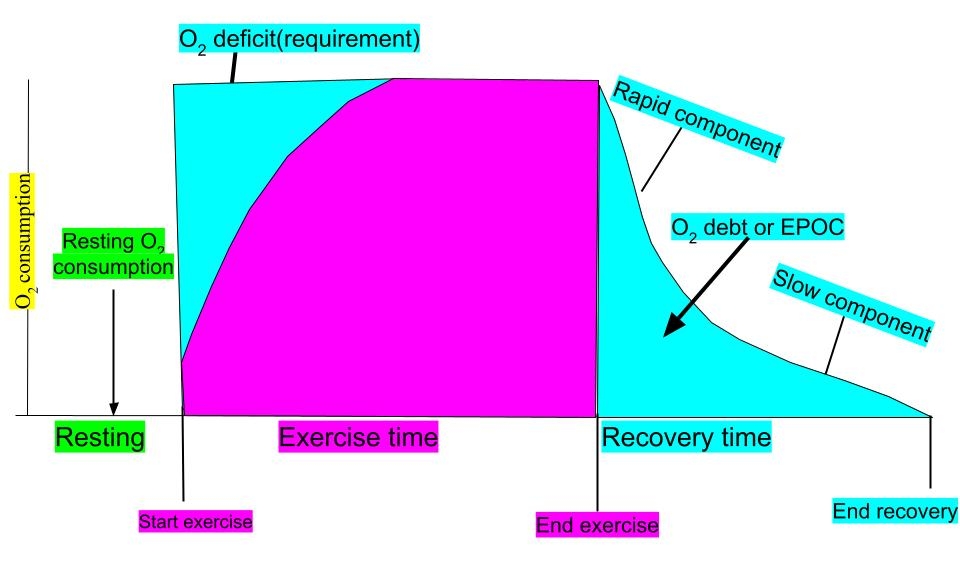
If a healthy adult athlete still wants to try ginseng, choose one standardized, independently tested product and keep caffeine, food and training load steady. Use the labeled serving rather than copying a high research dose, and test during ordinary training rather than competition week. Track one repeatable outcome—pace at a fixed heart rate, total quality work or late-session power—across several comparable sessions. Do not judge the result by a warm feeling or a good day. For endurance work, carbohydrate gels in endurance and hydration planning have much clearer event-specific roles. Stop for new palpitations, sleep disruption, rash or unusual bleeding, and involve a clinician or pharmacist when medicines are in the picture.
Where the evidence may change
Larger trials could still identify a specific ginseng extract, dose or athlete subgroup that responds. To change practice, those studies would need a registered protocol, a convincing placebo, adequate sample size and an outcome athletes recognize—not just a post-exercise marker. They should also report adverse effects and verify the ginsenoside profile. Until that work exists, do not add together unrelated studies or assume a traditional-use history predicts a race result. A measured conclusion is useful: Panax ginseng has enough biological and clinical interest to study, but not enough consistent performance evidence to earn a central place in a training plan.