Carbohydrate gels for endurance: match the product to the event
A practical guide to carbohydrate gels, endurance evidence, drink pairing, gastrointestinal tolerance and label comparisons.
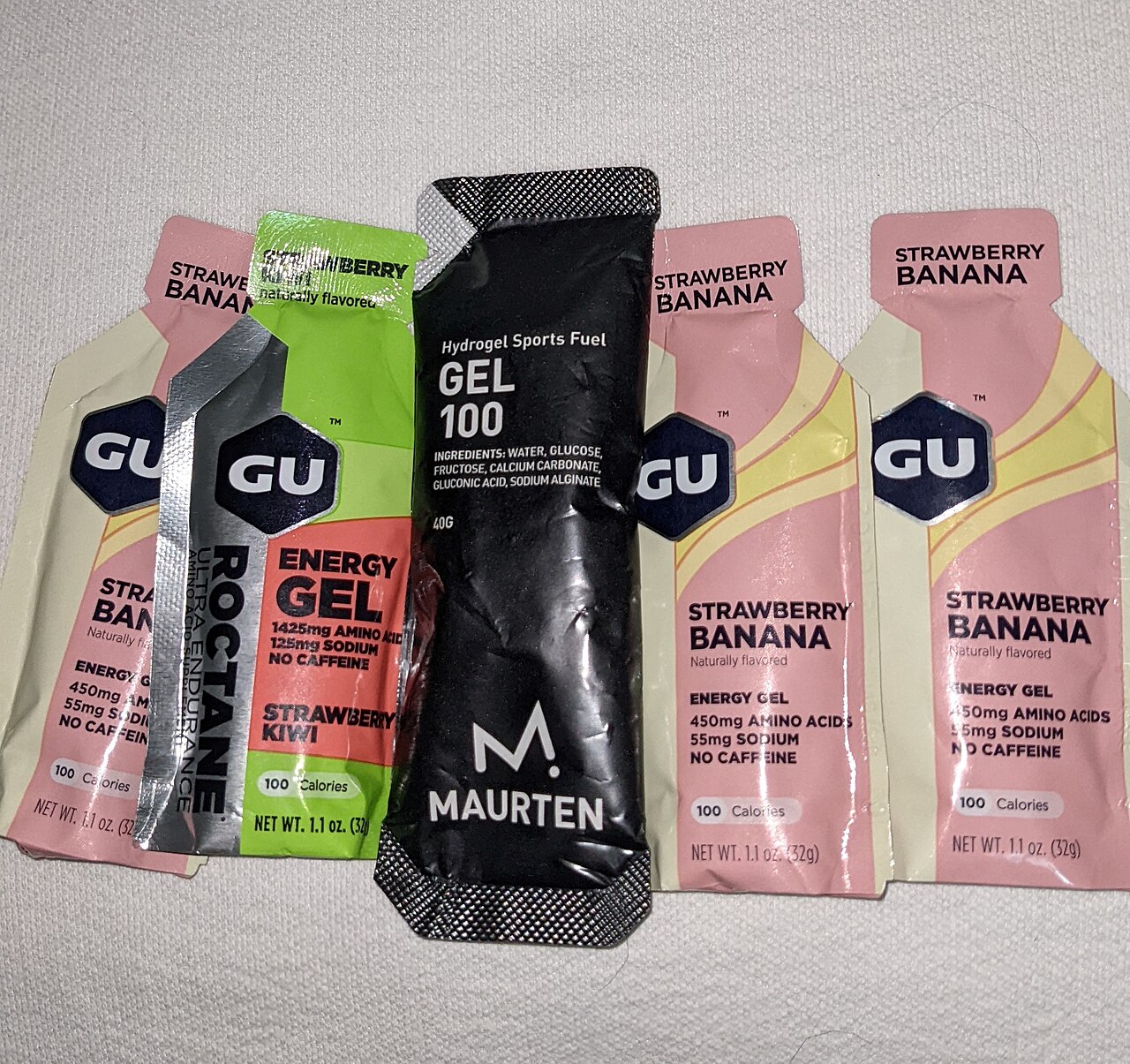
Carbohydrate gels can be useful during longer endurance work, but the event, total carbohydrate plan and individual tolerance matter more than the packet format.
Start with event duration and demand
Carbohydrate gels are concentrated food products, not a performance category that works identically in every workout. The strongest research question is whether carbohydrate consumed during a demanding endurance session helps sustain the work being tested. A 2024 meta-analysis covering 136 studies found an overall endurance benefit from acute carbohydrate feeding, with larger effects in longer events and larger effects in time-to-exhaustion tests than in time trials. That distinction matters for shoppers. Evidence that carbohydrate can help during prolonged exercise does not mean a gel is necessary for a short lifting session, an easy walk or every recreational run. The packet is simply one delivery format within a broader fueling plan.

Read grams, not flavor names
Front labels often emphasize fast energy, dual fuel or race technology, but comparisons begin with grams of carbohydrate per serving and the recommended number of servings. Check whether the listed serving is one packet and whether the product contains one carbohydrate source or a blend. Then compare those numbers with sports-nutrition guidance appropriate to the activity rather than copying an elite athlete’s plan. A gel may also contain caffeine or electrolytes, which changes the comparison. Two products with similar packaging can produce very different total intakes when several packets, sports drinks and chews are combined across an event.
Treat water and tolerance as part of the test
A gel’s practical value depends on how it is consumed. Some are designed to be taken with water, while others are marketed as isotonic or fluid-like. Research on alginate carbohydrate hydrogels published in 2026 found inconsistent performance effects and broadly similar gastrointestinal tolerance to traditional carbohydrate solutions, although responses varied with dose and conditions. That is a reminder that a newer texture is not automatically a superior delivery system. Athletes should test any race-day product during training, where flavor fatigue, sweetness, swallowing, available water and stomach comfort can be observed without making competition the first experiment.
Separate a physiological effect from a product claim
A rise in blood glucose, greater carbohydrate oxidation and a faster finish are related but different outcomes. Product marketing may cite one while implying another. Read the participant group, exercise duration, comparator and performance test in the source. A small trial in soccer players found a longer shuttle run to exhaustion after gel intake with water, but seven male participants and a test to exhaustion do not establish the same effect for every sport or every commercial formula. The useful conclusion stays close to the protocol instead of transforming a narrow result into a universal promise about energy.

Build a complete event plan
A good comparison records the gel’s carbohydrate amount, caffeine, sodium, water instructions, allergens, cost and how it fits with all other food and drink. It also identifies where packets can be carried and discarded. People managing diabetes, gastrointestinal disease or other medical concerns may need individualized guidance before adopting a concentrated fueling strategy. For everyone else, the central principle is context: use carbohydrate evidence to plan for the event, then choose a format that is practical and tolerated. A gel should solve a fueling problem; the presence of a sporty wrapper is not proof that the problem exists.
Avoid turning guidance into a rigid formula
Sports-nutrition ranges are planning tools, not commands that erase body size, pace, prior meals, gastrointestinal history or access to fluids. More carbohydrate is not automatically better if it cannot be tolerated or absorbed during the chosen event. Training the fueling routine can reveal whether smaller, more frequent portions work better than occasional large amounts. It also exposes practical problems such as sticky packaging, forgotten water and accidental caffeine stacking. After a trial, record the session length, intensity, weather, product amount, fluids and symptoms. That simple log is more informative for the next decision than changing brands after one unusually good or bad workout. Event organizers and coaches may offer general plans, but a sports dietitian can help when needs are high, symptoms persist or the athlete must coordinate several products. The goal is a repeatable strategy, not the largest possible number printed on a fueling chart.
Sources & further reading
- The ergogenic effects of acute carbohydrate feeding on endurance performance: systematic review and meta-analysis ↗
- Carbohydrate-gel supplementation and endurance performance during intermittent high-intensity shuttle running ↗
- Plant-derived alginate polysaccharide hydrogels in sport and exercise nutrition: systematic review ↗
This article provides educational information. Ask a qualified clinician or pharmacist about your symptoms, medical conditions, medicines and supplement interactions.