Valerian for sleep recovery: subjective improvement is not proven insomnia treatment
A guide to valerian sleep evidence, athlete recovery claims, extract differences, sedation, withdrawal and long-term uncertainty.
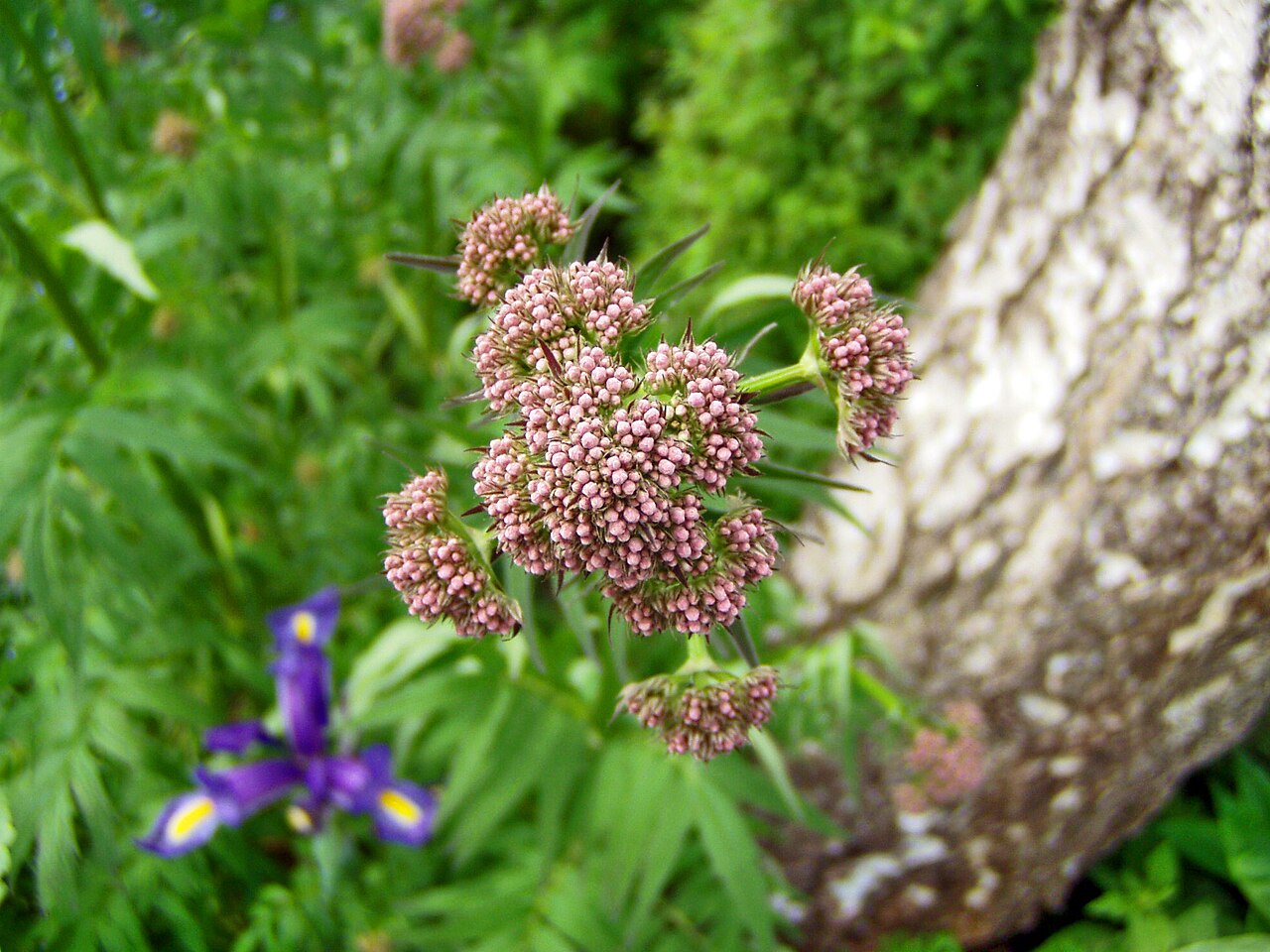
Valerian may improve subjective sleep ratings for some people, but objective insomnia evidence is inconsistent and athlete-recovery benefits are unproven.
The newest umbrella review is not supportive for insomnia
A 2024 umbrella review examined eight systematic reviews and concluded that evidence does not support valerian as an effective insomnia treatment. Subjective sleep quality sometimes improved, but objective or quantitative sleep measures did not establish efficacy. Existing studies were heterogeneous and often low quality. That distinction matters for recovery marketing: feeling that sleep improved is useful information, but it is not proof that insomnia was treated or restorative sleep physiology changed.

NCCIH describes the evidence as inconsistent
The National Center for Complementary and Integrative Health states that there is not enough evidence to determine whether valerian is useful for any health condition. It notes that sleep trials have been inconsistent and that a clinical practice guideline recommended against valerian for chronic insomnia. A traditional-use story or sedating reputation should not be presented as stronger evidence than this official assessment.
Athletic recovery has an extra inferential step
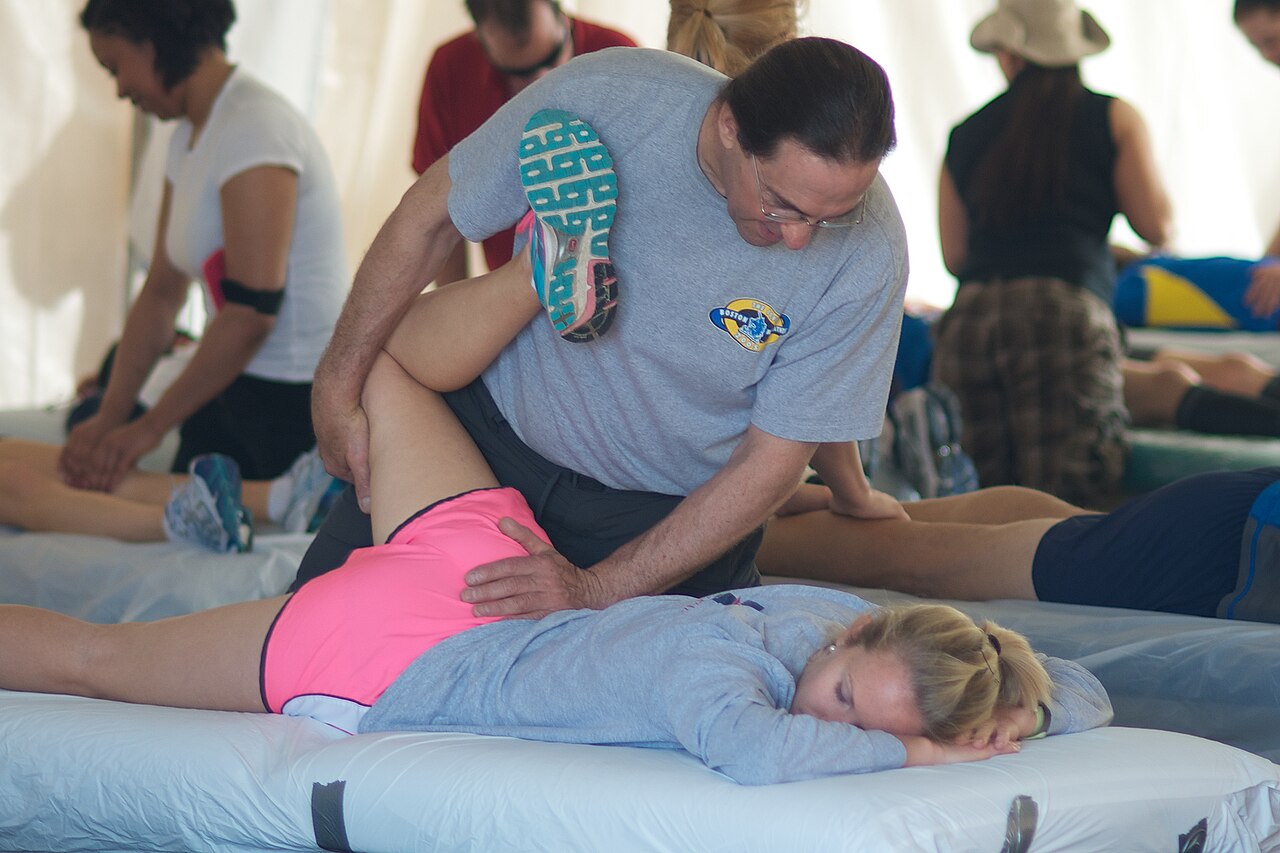
Even if valerian improved sleep in a given trial, a product would still need direct evidence to claim better muscle recovery, adaptation or performance. Sleep supports recovery, but not every sleep aid improves athletic outcomes. A study of insomnia symptoms in the general population cannot establish faster strength restoration or fewer injuries in athletes. Marketing often compresses these steps into one word—recovery—without testing the final outcome.
Products differ substantially
Valerian preparations vary by species, root material, extraction solvent, chemical profile and combination ingredients. A tea, dry-root capsule and standardized extract are not interchangeable. Many sleep blends add hops, lemon balm, passionflower, magnesium or melatonin, preventing attribution to valerian. Compare the exact preparation, amount and duration with the cited study. A proprietary sleep blend may provide too little information for a meaningful comparison.
Sedation can impair next-day function
NCCIH lists headache, stomach upset, mental dullness, excitability, uneasiness and vivid dreams among possible effects. Valerian should not be combined casually with alcohol or sedatives, and next-day alertness matters for driving, early training and competition. An athlete who sleeps longer but wakes impaired has not necessarily improved recovery. Initial testing should occur when morning performance and safety demands are low.
Long-term use is uncertain
Short-term use has appeared reasonably tolerated in many adults, but long-term safety is unknown. NCCIH notes possible withdrawal symptoms after chronic use and rare liver injury reports, often with other herbs. Pregnancy and breastfeeding data are limited. Persistent insomnia, loud snoring, breathing pauses or daytime sleepiness warrants assessment rather than escalating an herbal dose or layering several sedatives.
Start with the sleep problem
A useful plan identifies whether the issue is schedule, circadian timing, anxiety, caffeine, pain, environment or a sleep disorder. Consistent wake time, morning light and appropriate evening habits are more foundational than one herb. Valerian may produce a subjective benefit for some people, but the evidence does not support strong insomnia or athlete-recovery claims. The label should reflect uncertainty, disclose all sedating ingredients and avoid implying medical treatment.
Objective tracking should not become false precision
Wearables can help identify sleep schedules and broad trends, but consumer devices estimate sleep stages and may not reliably detect treatment effects. A better-looking score after valerian does not establish that the herb caused a physiological improvement, especially when bedtime, exercise, alcohol, caffeine and expectations also changed. Sleep diaries can add useful context by recording timing, awakenings, next-day alertness and adverse effects. The most meaningful outcome may be function: does the athlete feel alert, train safely and maintain a consistent schedule? If a supplement appears to shorten sleep onset but produces morning dullness, the tradeoff deserves attention. Persistent problems require evidence-based insomnia care rather than increasingly elaborate tracking or repeated herb changes. Data should clarify the problem, not turn an uncertain product effect into a precise-looking recovery claim.
Athletes should also avoid making the night before an important event the first use, because an unpredictable sedating or stimulating response can compromise performance and safety.
Sources & further reading
This article provides educational information. Ask a qualified clinician or pharmacist about your symptoms, medical conditions, medicines and supplement interactions.