Ashwagandha and performance: average effects hide wide uncertainty
A guide to recent ashwagandha exercise research, extract differences, safety concerns and limits of pooled results.

Recent pooled research suggests possible benefits for selected outcomes, but formulation differences, wide prediction intervals and safety questions limit broad recommendations.
A 2026 review adds evidence, not certainty
A 2026 systematic review and three-level meta-analysis evaluated 13 trials with 599 participants. The pooled average favored ashwagandha for overall exercise performance, particularly aerobic endurance, but the prediction interval crossed zero and results varied by exercise type. Strength effects were positive but uncertain, while power and muscular-endurance evidence remained sparse. This is more informative than a single dramatic trial, yet it does not show that every athlete will respond. Prediction intervals matter because they describe how results may vary in a future setting, not merely whether the pooled average reaches statistical significance.
The extract is part of the intervention
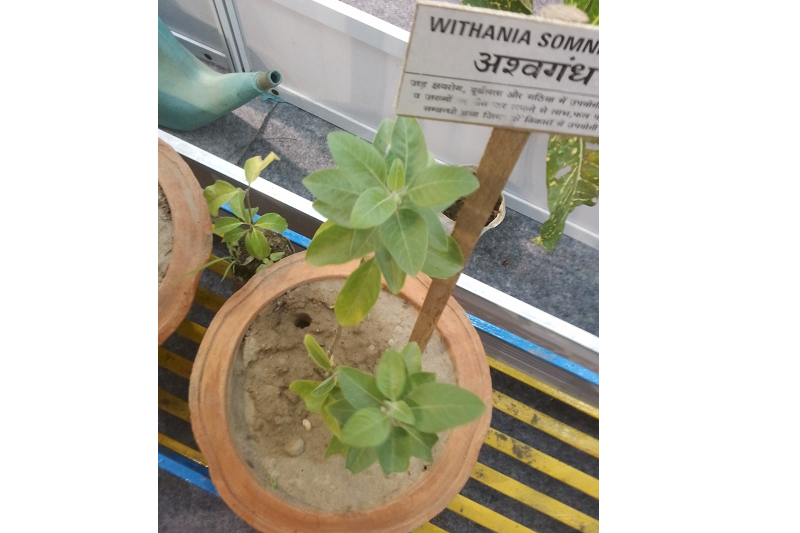
Ashwagandha products can differ by plant part, extraction method, concentration and chemical standardization. A bottle listing Withania somnifera is not automatically equivalent to a standardized extract used in a trial. The 2026 analysis treated dose findings as exploratory and emphasized formulation standardization as a research need. Consumers should record the exact extract, disclosed marker compounds, serving and duration before comparing a product with a paper. A brand cannot validly borrow the outcome of one proprietary extract for a materially different formula without direct evidence that the interventions are comparable.
Performance domains should stay separate
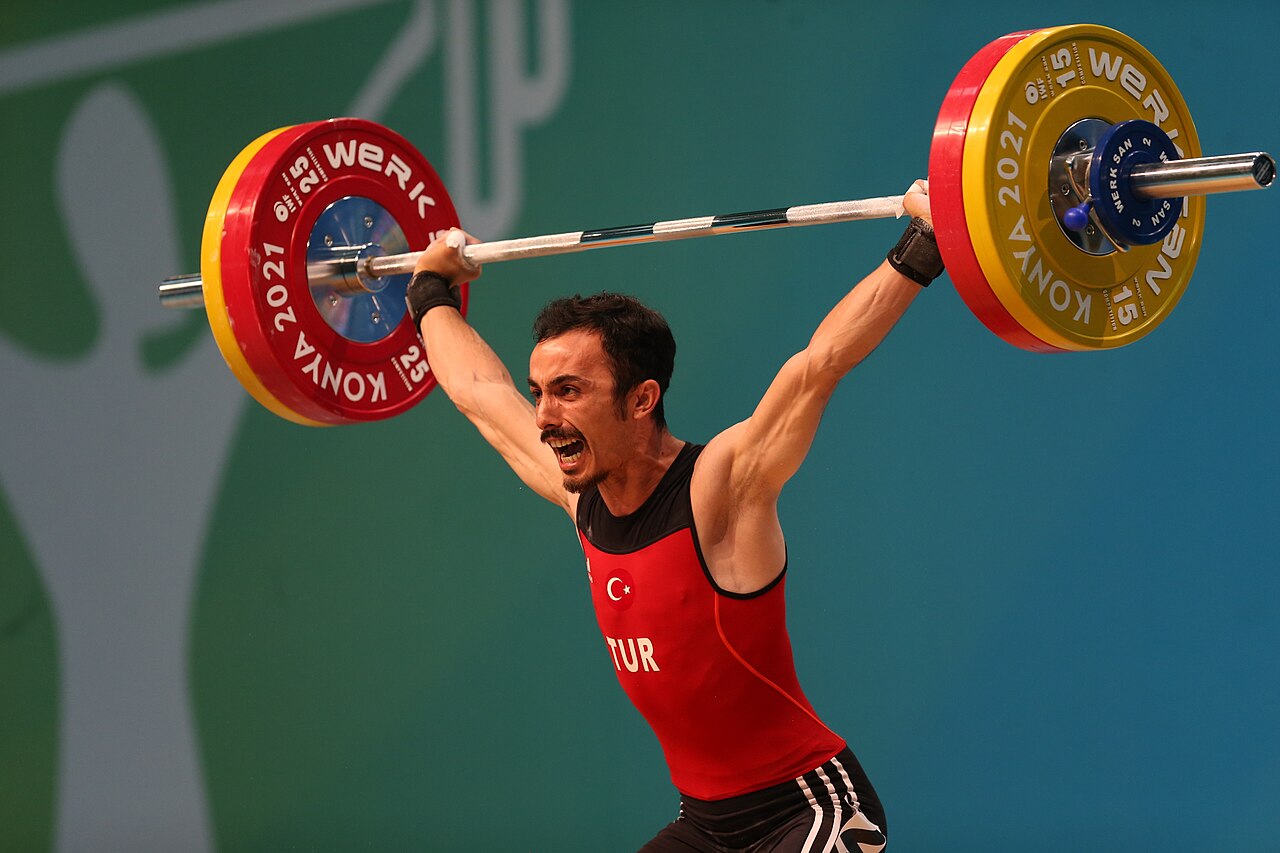
Maximal oxygen uptake, time to exhaustion, one-repetition strength, sprint power and repeated-set endurance represent different capabilities. A positive average across mixed outcomes should not become a claim that the product improves all of them. Training status, sex and age also influence generalizability; several trials in the review were male-only and some did not report sex composition completely. A recreational adult completing a laboratory test is not the same population as an elite athlete in competition. The closer the participant group and test are to the intended use, the more relevant the finding becomes.
Safety deserves equal space
NCCIH notes that short-term use may be tolerated by some people but reports drowsiness, stomach upset, diarrhea and vomiting, along with rare cases of liver injury. It advises avoidance during pregnancy and breastfeeding and identifies concerns involving surgery, thyroid or autoimmune disorders, and interactions with several medication classes. Performance marketing often gives these limits less space than the benefits. A supplement that may affect stress or sleep is still a biologically active product, and an athlete should not assume an herbal label means universally safe or suitable for long-term use.
Use cautious, product-specific language
A sound comparison asks whether the exact extract has been tested, whether the outcome matches the athlete’s goal, how large and consistent the effect was, and what safety screening is needed. Competitive athletes should also evaluate third-party sport certification because botanical identity does not confirm an uncontaminated final product. The evidence is promising enough to justify continued study, especially for endurance, but not broad enough for guarantees. Ashwagandha should be discussed as a formulation-specific intervention with uncertain individual response, not as a proven shortcut for strength, stamina, recovery and stress all at once.
Avoid back-solving a universal dose from pooled data
A meta-analysis can explore whether dose or duration appears related to outcomes, but those comparisons are often observational across trials rather than randomized head-to-head dose tests. Differences attributed to dose may actually reflect the extract, participants, outcome or study quality. The 2026 review treated its apparent dose pattern as hypothesis-generating, which is appropriate. Consumers should not turn that exploratory range into a personal prescription. More is not necessarily more effective, and a higher amount may increase adverse effects. The time horizon also matters: short trials cannot establish long-term safety or continued benefit. Anyone considering use should review the exact product with a clinician when health conditions or medicines are present, and stop for concerning symptoms. Careful language protects the useful part of the evidence without pretending that pooled averages have already identified one best regimen for every athlete.
The most responsible product page should identify the tested extract and acknowledge that a pooled average cannot predict the response of one individual athlete.
Sources & further reading
This article provides educational information. Ask a qualified clinician or pharmacist about your symptoms, medical conditions, medicines and supplement interactions.