Caffeine in pre-workouts: performance claims need a full-day view
A guide to caffeine labels, exercise research, overlapping products, and why workout benefits should be considered alongside sleep.

Judge a caffeinated pre-workout by its labeled contents, relevant performance evidence, total daily exposure, and effect on sleep.
Separate stimulation from performance
The feeling of being more alert is easy to notice after a caffeinated pre-workout. It is harder to know whether the product improved a meaningful training outcome. Those two experiences are related but different. A product can feel powerful without establishing that a particular workout was more productive, and an athlete's enthusiasm for a session is not a controlled test of the formula.
The Australian Institute of Sport includes caffeine among performance supplements with evidence in appropriate sporting circumstances. Its framework also emphasizes that benefits depend on the scenario and can differ between people. The useful interpretation is specific: caffeine has an evidence base for certain uses, while a particular pre-workout still needs to be evaluated for its contents and suitability.
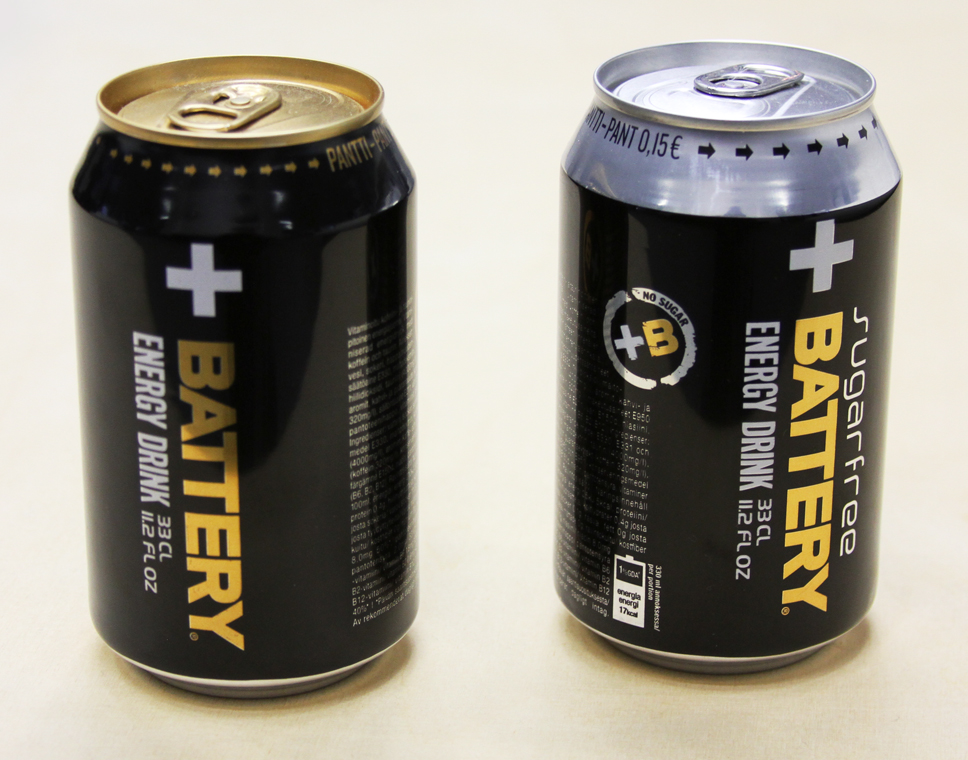
Count the whole day
Begin with the caffeine amount per labeled serving. Then look at how the serving is defined and whether caffeine is supplied through more than one ingredient. The question is not simply whether caffeine appears on the label. It is whether the product provides enough clear information to understand what a normal serving contains and how that fits with other products consumed.
Coffee, tea, energy drinks, gels, and specialty supplements can all belong on the same daily inventory. Counting only the pre-workout leaves out part of the picture. A written list is especially helpful when training sessions, work shifts, and social routines vary. The total exposure can change even when the person uses exactly the same scoop of powder each time.
Read the comparison carefully
A performance study might test a single caffeine intervention under standardized conditions. That does not establish that a commercial mixture containing caffeine and many additional ingredients performs better. Read the source cited by the manufacturer and identify the intervention. If the mixture itself was never tested, the evidence is about an ingredient, not proof of the entire branded formula.
Also identify the outcome and the participants. A result in trained cyclists is relevant to a different question from a result in novice lifters. Time-trial performance, perceived effort, and repetitions completed are different measures. An advertisement that compresses all of them into a general claim about energy can make the evidence sound broader than the experiment supports.

Consider the next recovery period
NHLBI sleep guidance identifies caffeine as something that can interfere with sleep. This creates a practical tradeoff for an evening exerciser: the immediate session is only part of the day. A complete assessment includes the night that follows and how the next morning feels, rather than judging the product solely by how stimulating it seems during warm-up.
Sleep disruption is not a reason to invent a universal cutoff time for every person. It is a reason to record when caffeine was consumed and discuss persistent sleep problems with an appropriate professional. Individual schedules, sensitivity, and other exposures vary. A comparison that ignores timing may miss the most important difference between a product that seems useful and one that complicates recovery.
Choose an informed evaluation
Avoid changing several supplements at once if the goal is to understand a product's role. Otherwise, attributing a perceived change becomes difficult. Keep the evaluation focused on the intended outcome, with the training context and caffeine sources clearly recorded. This is a consumer reasoning tool, rather than a claim that a personal log can replace a properly designed study.
People with medication use, pregnancy, health conditions, or concerning symptoms need guidance suited to their circumstances. For general readers, the key is to assess caffeine over a full day. An evidence-based sports ingredient should still be considered alongside label clarity, the rest of the caffeine intake, and the quality of the recovery period that comes after the workout. This keeps an immediate feeling of readiness from becoming the only criterion used to judge a recurring purchase.
Sources & further reading
This article provides educational information. Ask a qualified clinician or pharmacist about your symptoms, medical conditions, medicines and supplement interactions.