Melatonin for athletes: sleep timing and performance claims need separation
A guide to melatonin research in athletes, sleep, recovery, exercise timing, dose uncertainty and supplement quality.
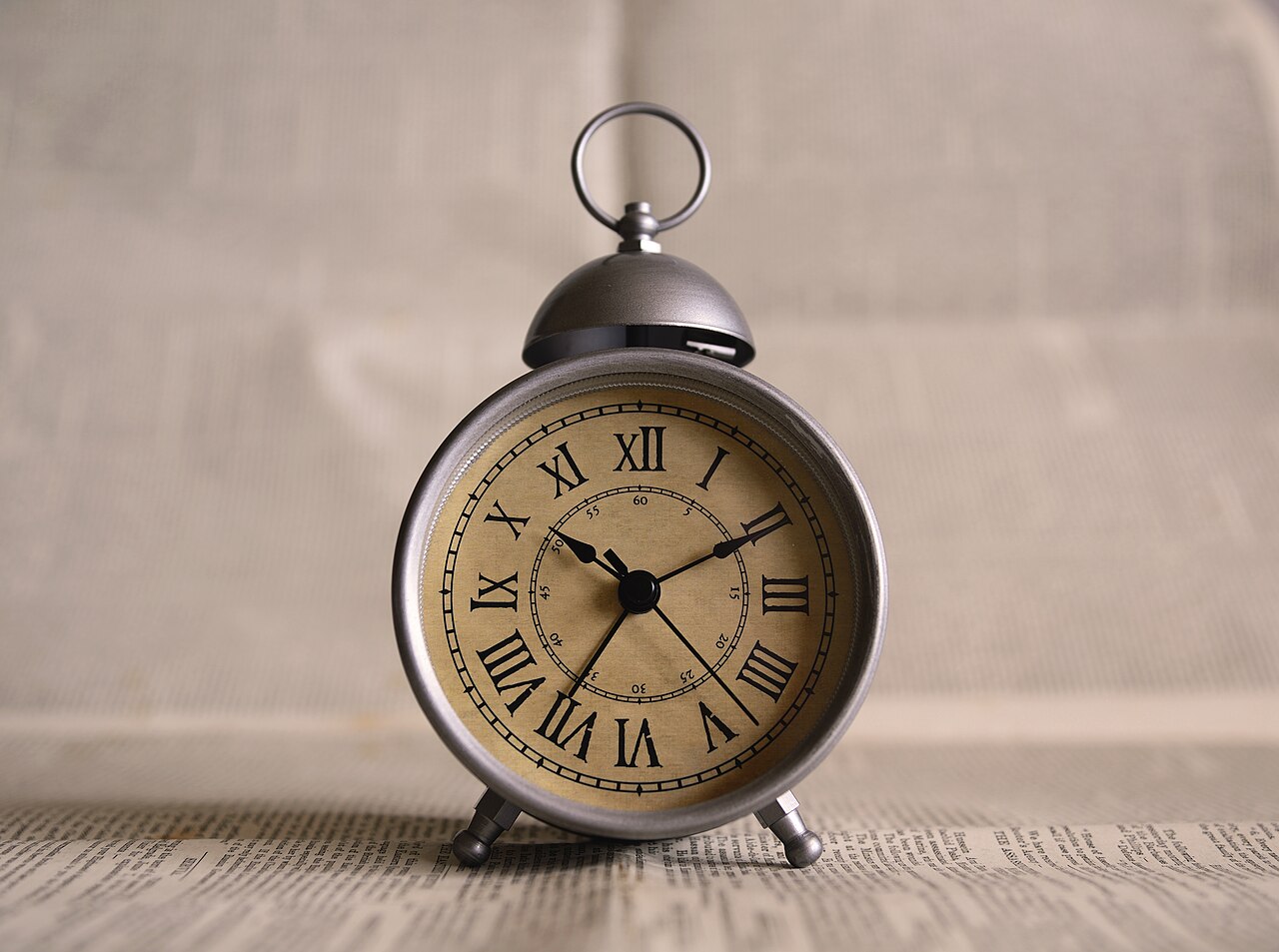
Melatonin may help selected sleep or recovery outcomes, but performance effects are timing-dependent and current studies do not establish one routine protocol.
Melatonin is primarily a timing signal
Melatonin is a hormone involved in circadian timing, which makes the schedule of use central. A sports supplement article should not treat it like a conventional pre-workout. Taken at the wrong time, a sleep-promoting product could create drowsiness or interfere with readiness. The athlete’s bedtime, travel, early competition, light exposure and training schedule all affect the question. A performance claim that omits clock time and the interval before exercise is missing a key part of the intervention.
A new meta-analysis reports timing-dependent effects
A 2026 systematic review and meta-analysis included 19 randomized trials with 266 participants. Pooled results favored selected endurance and explosive-power outcomes and lower creatine kinase, with stronger effects reported when evening melatonin was separated from exercise by more than six hours. The sample remained small, subgroup findings can be unstable and doses varied. The result should not be simplified to melatonin improves performance. It suggests that timing may matter and that broader confirmation is needed before identifying a reliable athletic protocol.
Sleep outcomes and muscle markers are different
A 2026 randomized trial in 24 young male athletes found that three milligrams nightly after exhaustive exercise improved sleep-related measures and heart-rate stability, while muscle-damage biomarkers were not significantly reduced. That mixed pattern is informative. Better sleep can be valuable even without proving a direct muscle-repair effect, and a neutral biomarker does not erase a sleep benefit. Product pages should identify which domain changed rather than calling every favorable night better recovery.
Higher research doses are not self-care instructions
A 2024 systematic review of highly trained athletes found trial doses ranging from five to 100 milligrams and concluded that direct performance efficiency remained uncertain. The presence of very high experimental doses does not make them appropriate for unsupervised use. Trials select participants and monitor outcomes under defined conditions. Consumers should not extrapolate one laboratory protocol into a nightly routine, especially because commercial melatonin content may vary and long-term questions differ from short studies.

Next-day function belongs in the evaluation
Sleep duration is not the only relevant outcome. Morning grogginess, reaction time, driving, mood, vivid dreams and training quality matter. Combining melatonin with alcohol, cannabis, sedating medicines or other sleep products can increase impairment. People who are pregnant, managing medical conditions or using interacting medicines need professional guidance. Persistent insomnia, loud snoring, breathing pauses or severe daytime sleepiness warrants assessment rather than repeated dose escalation.
Start with circadian basics
Consistent wake time, morning light, dimmer evening light, caffeine timing and an appropriate sleep environment are foundational. Melatonin may be useful for particular timing problems, travel or selected individuals, but it is not a substitute for schedule management or treatment of a sleep disorder. Athletes should judge it by a clear goal, lowest appropriate exposure, next-day response and product quality. Current evidence is interesting but does not justify a universal claim that nightly melatonin improves recovery or competition performance for every athlete.
Travel studies need their own interpretation
Jet lag is a circadian timing problem, not simply a short night, and melatonin can be helpful only when taken at an appropriate destination-relative time. A dose chosen for ordinary bedtime may shift the body clock in an unhelpful direction during travel. Teams and individual athletes should coordinate light exposure, sleep opportunities, meal timing and training rather than treating the supplement as a stand-alone reset. Competition schedules may also require early alertness before the body has adapted. Because the direction and timing of a circadian shift matter, copying a teammate’s schedule can be counterproductive. A clinician or sports-sleep specialist can help with complex itineraries, repeated time-zone changes or a history of strong next-day sedation.
Wearable sleep estimates can be useful for trends, but they do not replace validated clinical assessment or prove that a supplement increased restorative sleep stages or improved next-day competitive readiness in a meaningful way overall.
Sources & further reading
This article provides educational information. Ask a qualified clinician or pharmacist about your symptoms, medical conditions, medicines and supplement interactions.