Guide: Fenugreek for Testosterone and Training—A Few Positive Trials, Low-Certainty Answers
Fenugreek extracts have produced mixed testosterone and training results, and recent reviews rate the overall certainty as very low.
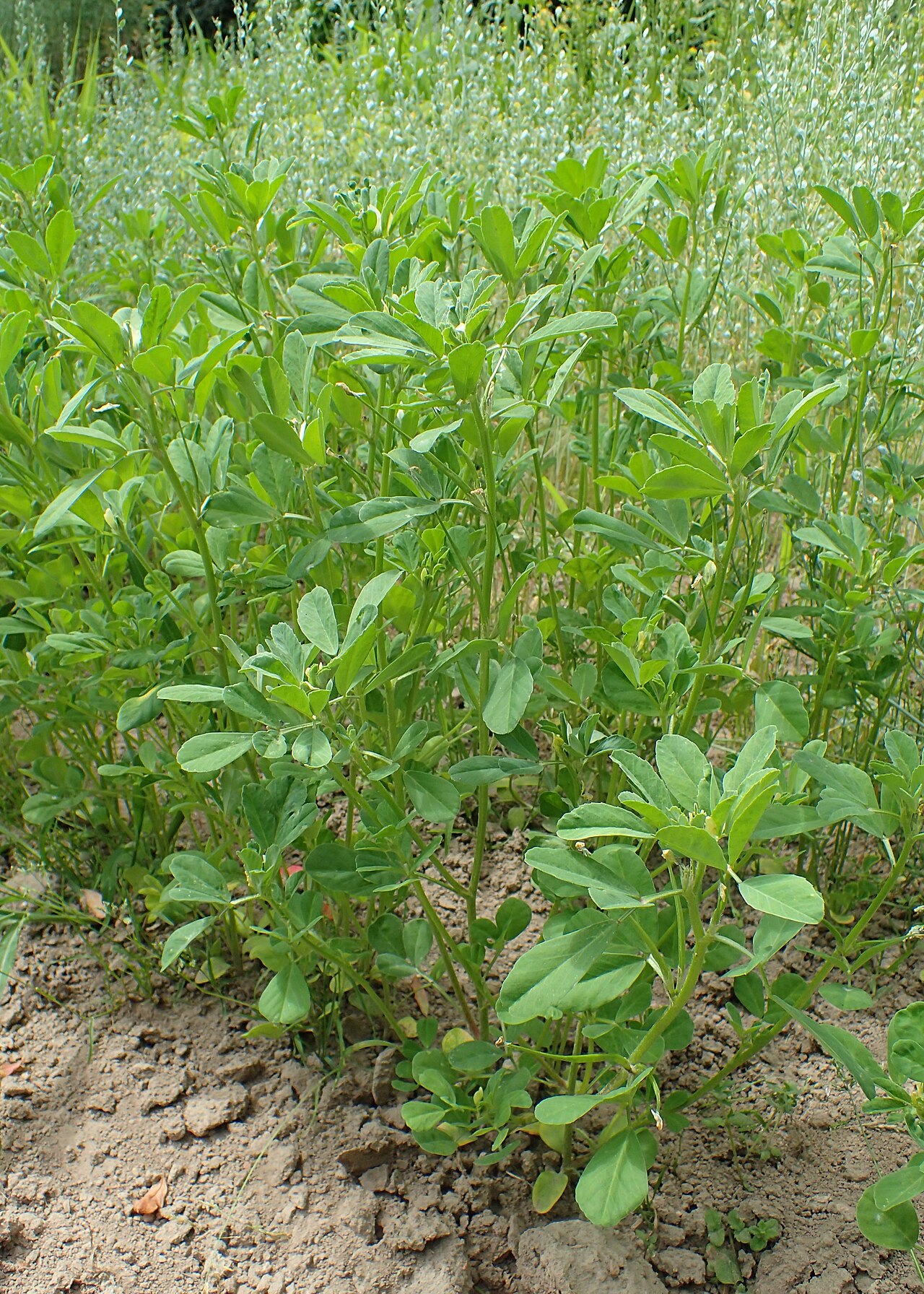
Some standardized fenugreek extracts have reported favorable hormone or training outcomes, but small studies, product differences and very low certainty prevent broad claims.
The promising headline needs its fine print
Fenugreek is one of the most common herbs in testosterone-support supplements. A handful of randomized trials report changes in testosterone, body composition or strength, but results depend on the extract, dose and participants. A 2026 meta-analysis rated the testosterone evidence very low certainty, which means the estimated effect may change substantially with better studies. Start with a testosterone booster label guide before treating any one ingredient as proof of a finished formula. Symptoms such as low energy, low libido or slow gym progress are nonspecific, and a supplement cannot diagnose clinical low testosterone. For a similar evidence problem, read Taurine before exercise: a small pooled effect with low certainty.
Extract identity matters more than the herb name
Fenugreek seeds contain saponins, fiber and many other compounds. Commercial extracts use different processes and standardizations, so two capsules with the same milligram number may not be equivalent. Some trials are funded or use proprietary extracts, another reason replication matters. A study in trained men reported favorable changes during resistance training, while other studies and reviews describe mixed hormone results. This is similar to the problem in an ashwagandha training guide: the exact extract and population define the evidence. Culinary fenugreek, seed powder and a concentrated standardized extract should not be treated as interchangeable interventions. The article Collagen supplements and tendons: training remains the main signal shows why the tissue and outcome must match the claim.
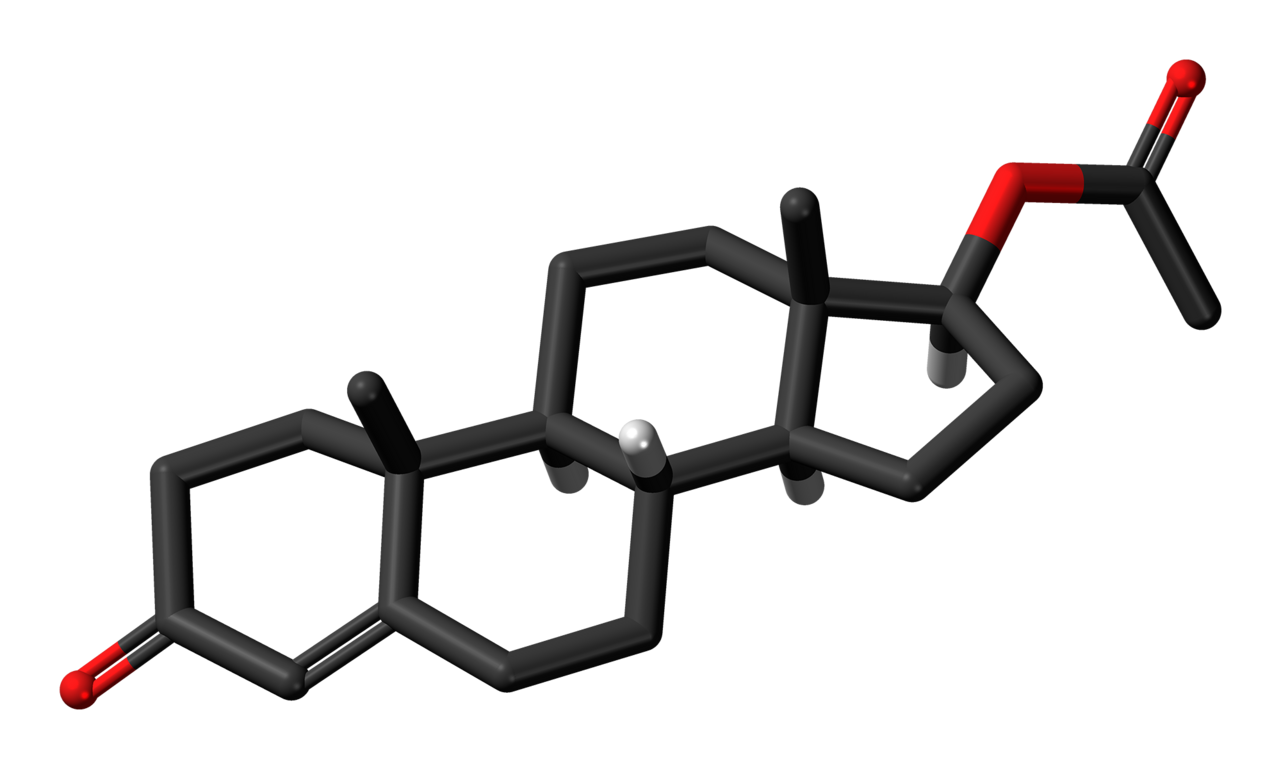
A current product example shows the distinction
Myogentra is sold as a once-daily men’s vitality and testosterone-support capsule that includes fenugreek alongside long jack, KSM-66 ashwagandha, arginine, tribulus and Butea superba. That makes it relevant to the topic, but research on isolated fenugreek does not establish the effect of the finished combination. Review the current Supplement Facts, directions and purchase terms on the official page, and treat each ingredient claim separately. Myogentra is a dietary supplement, not testosterone replacement therapy, and it does not replace testing or a clinician’s evaluation when persistent symptoms suggest a medical problem.
What the trials and reviews can support
A randomized resistance-training trial reported that a proprietary fenugreek extract changed selected strength, body-composition and hormone outcomes compared with placebo. Broader reviews find that some fenugreek studies report higher total testosterone, but samples are small, methods vary and bias cannot be excluded. The newest meta-analysis describes a possible increase while grading the certainty very low. No result justifies a guaranteed testosterone rise or a promise of improved sexual function. A DHEA sports performance guide is also useful context: changing a hormone-related marker is not automatically an athletic benefit, and hormonally positioned supplements require more cautious interpretation than ordinary nutrients. For another label-versus-result check, see HMB for training: read beyond the muscle-preservation headline.
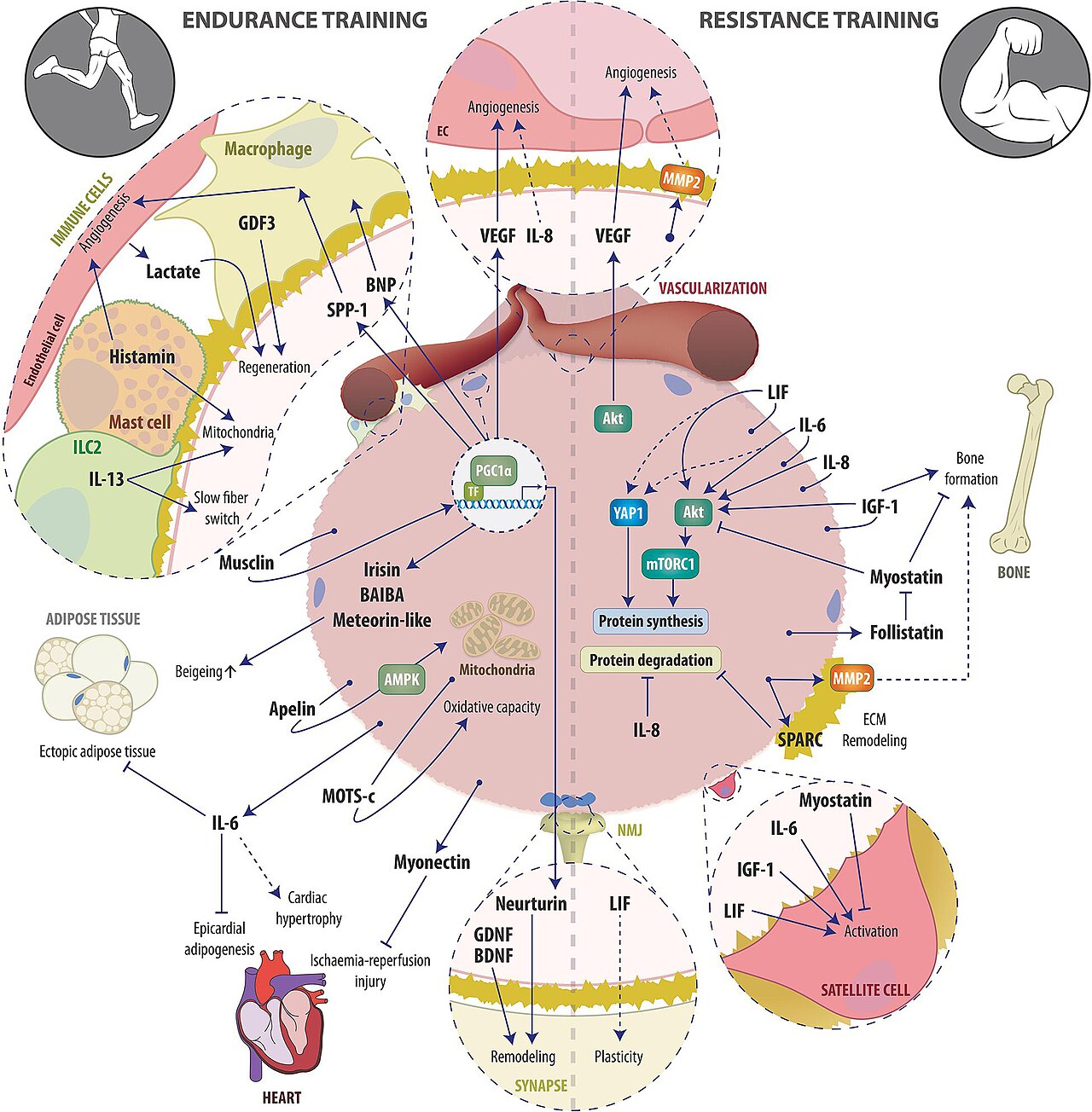
Safety and a practical next step
Fenugreek can cause gastrointestinal upset, a maple-like body odor and allergic reactions, particularly in people sensitive to peanuts, chickpeas or related legumes. It may lower blood sugar and could interact with diabetes medicines or anticoagulants. Avoid concentrated use in pregnancy unless a clinician specifically recommends it. If the goal is suspected low testosterone, prioritize sleep, adequate energy, resistance training and a properly timed medical evaluation. A complete protein recovery guide may solve the training issue more directly. If a healthy adult tests fenugreek, use one verified extract, keep other supplements stable, track a defined outcome and stop for unusual bleeding, severe dizziness, rash or low-blood-sugar symptoms. The guide Ashwagandha and performance: average effects hide wide uncertainty explains why botanical extract identity matters.
Do not let a number replace a diagnosis
Testosterone varies by time of day, sleep, recent illness, energy intake and the laboratory method. A single home or afternoon result cannot establish hypogonadism, and a small shift within the normal range may not change symptoms or training. Well-designed future fenugreek trials should enroll clearly defined groups, verify extracts and report symptoms, strength and adverse effects alongside hormones. They should also distinguish total from free testosterone and predefine the primary outcome. Until that standard is met, the right question is not whether one study produced a higher number. It is whether a reproducible, clinically meaningful benefit occurs in the people who actually plan to use the product. Persistent symptoms deserve a proper clinical history and repeat morning testing, not increasingly complex supplement stacks.