Collagen supplements and tendons: training remains the main signal
A guide to collagen research for tendons, structural outcomes, performance limits, product labels and trial relevance.
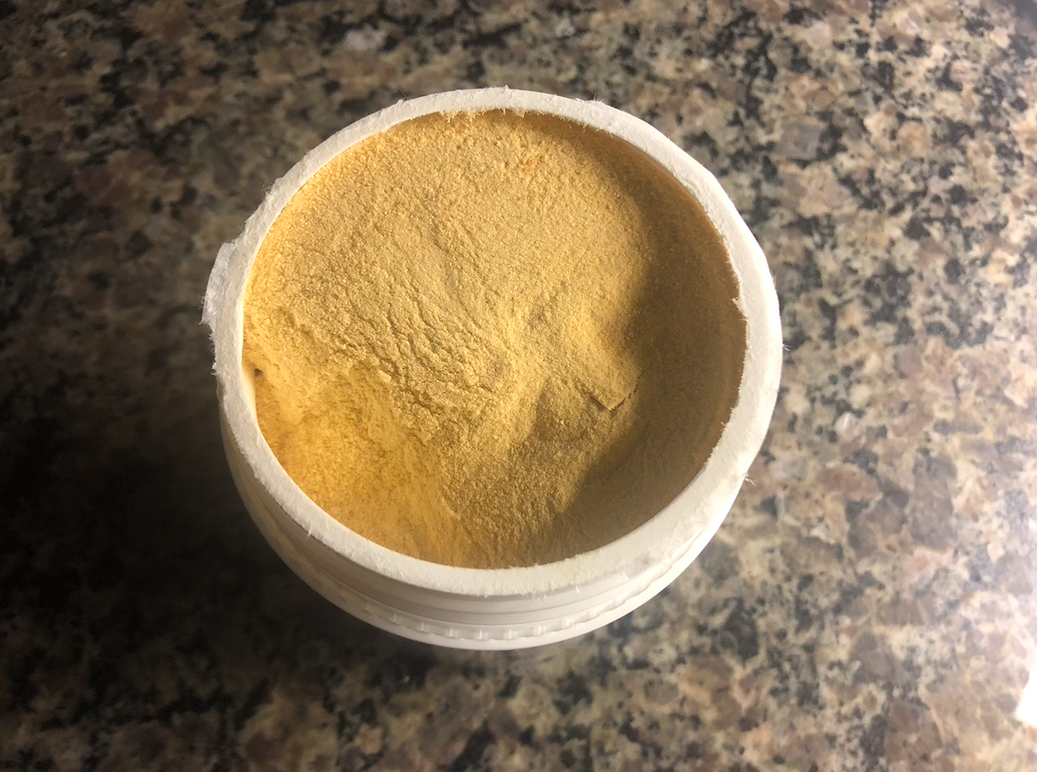
Collagen may influence selected tendon measures when paired with loading, but evidence does not support treating it as a replacement for training or rehabilitation.
Put mechanical loading first
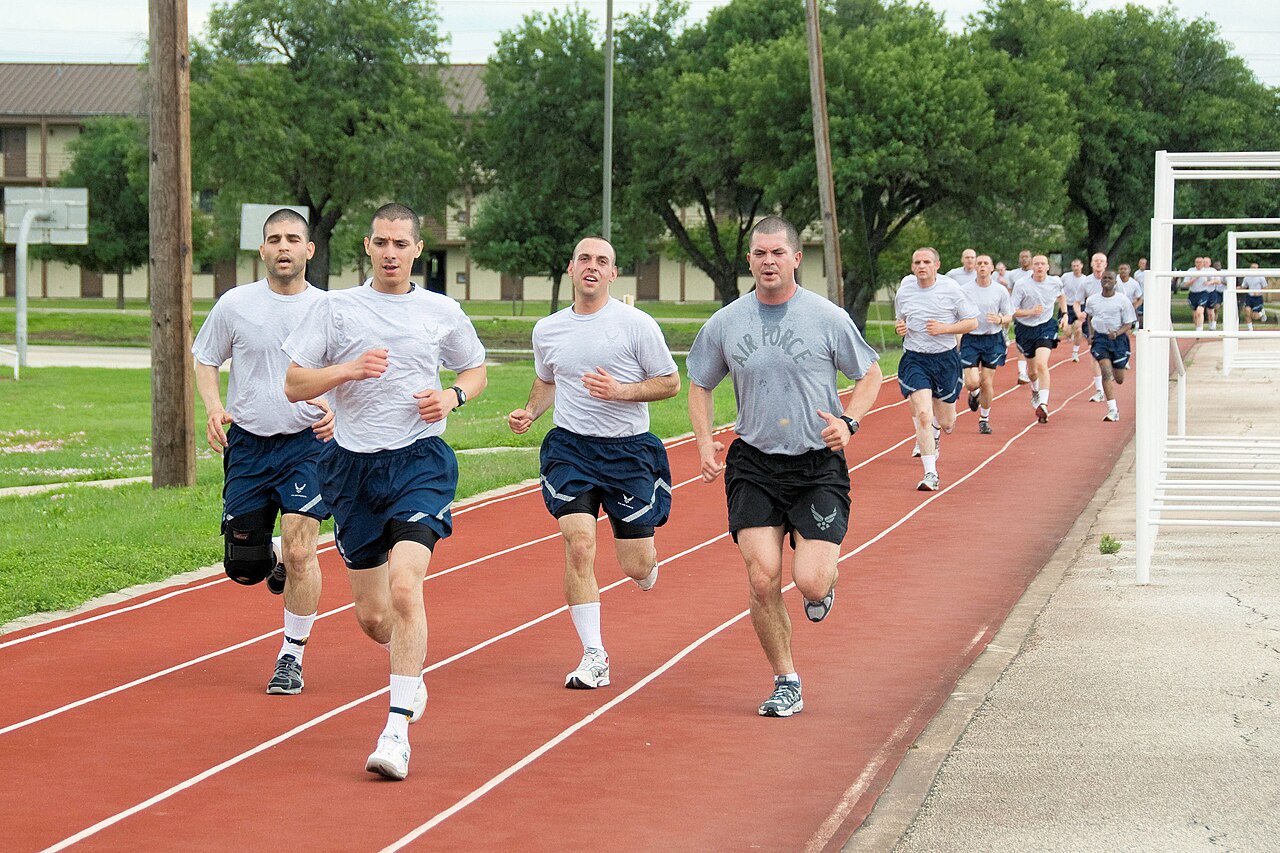
Tendons adapt to load, which makes exercise an essential part of interpreting collagen trials. A 2026 systematic review identified eight randomized trials involving 257 people, and every included study combined supplementation with resistance or plyometric training. Several reported greater increases in tendon cross-sectional area or stiffness, particularly in higher-dose protocols, but muscle strength improved with training without a consistent added collagen effect. That pattern prevents a simple conclusion that a collagen product builds strength. The supplement was tested as an addition to a loading program, while the loading itself remained the primary training stimulus.
Distinguish structure, symptoms and performance
Tendon cross-sectional area, stiffness, collagen synthesis, pain and jumping performance are different endpoints. A study can find a change in one without demonstrating a meaningful change in the others. A 2024 randomized trial in resistance-trained middle-aged men found a dose-related increase in markers of collagen synthesis after hydrolyzed collagen before exercise. That is useful mechanistic evidence, but synthesis measured around an exercise bout is not the same as fewer injuries, faster rehabilitation or better competition performance. Marketing should state the measured outcome instead of allowing a laboratory marker to stand in for every tendon-related benefit.
Match the product to the research
Collagen products vary by source, hydrolysis, peptide profile, serving size and added vitamin C. A package that lists collagen peptides does not prove it matches the material used in a particular trial. Check whether the manufacturer cites research on the exact formula or on the ingredient category generally. Also compare protein content and price per studied-size serving rather than per scoop. Collagen is not a complete substitute for all dietary protein needs, so a tendon-focused claim should not be expanded into a claim that the product replaces balanced meals or every other protein source.
Recognize the evidence gaps
The recent review noted short interventions, small samples and heavily male participation. Those limits affect confidence about long-term outcomes and generalization to women, older adults, different sports and injured populations. Publication date alone does not remove these limitations. A new review can summarize a still-small evidence base. Readers should also distinguish prevention from rehabilitation: trials in healthy people training hard do not automatically provide a treatment plan for a diagnosed tendon injury. Persistent pain, swelling, weakness or loss of function deserves assessment rather than self-directed supplementation based on a performance label.
Use a decision checklist
A practical comparison asks whether a loading program is already appropriate, what outcome the product claims, whether the cited trial used a comparable product, and whether the added cost is justified by the level of certainty. Review allergens and other ingredients, especially in flavored blends. Competitive athletes may want independent sport certification. Collagen research is more specific and more interesting than a blanket dismissal, but it remains conditional: selected structural responses may be supported when supplementation accompanies training. The evidence does not justify promises that a powder repairs an injury, prevents all tendon problems or creates strength without progressive exercise.
Do not let prevention claims become treatment claims
A supplement advertisement may use the language of resilience and recovery beside images of tendons or joints, but that presentation cannot diagnose an injury. Pain can reflect multiple tissues and causes, and an athlete may alter movement in ways that worsen the underlying problem while waiting for a powder to work. Rehabilitation research also depends on the exact loading progression, supervision and diagnosis. If a trial enrolls healthy participants, its structural findings should not be presented as evidence that the same protocol treats tendinopathy or a tear. Even in an appropriate rehabilitation program, symptom improvement, function and return to sport matter more than a single laboratory marker. Collagen can be discussed as a possible adjunct to loading where evidence and individual circumstances fit; it should not delay evaluation of persistent pain, sudden loss of strength, marked swelling or an acute injury.
Sources & further reading
This article provides educational information. Ask a qualified clinician or pharmacist about your symptoms, medical conditions, medicines and supplement interactions.