Guide: Capsaicin for Resistance Training and Endurance—Heat With a Small Evidence Base
Capsaicin has improved selected lifting and exhaustion tests in small trials, but the evidence is too limited for broad performance claims.
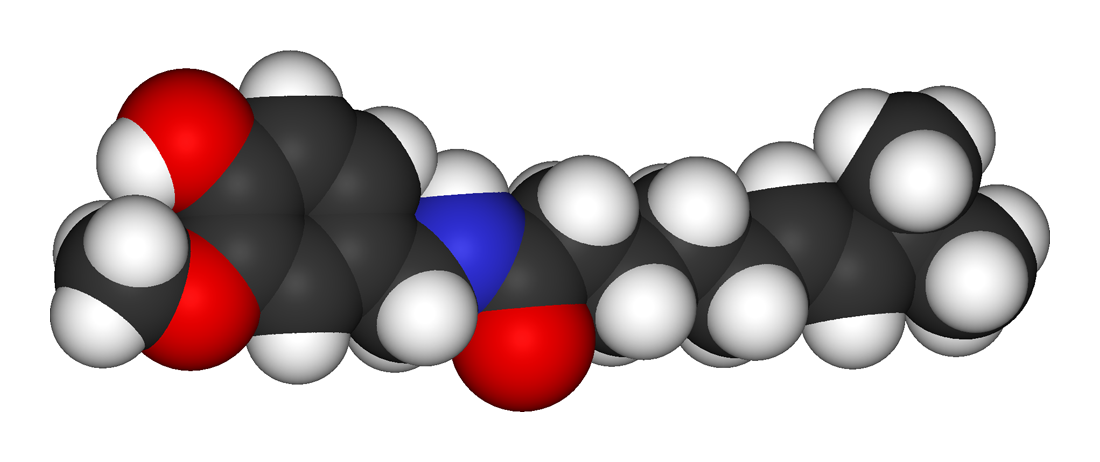
A few small trials suggest capsaicin may affect repetitions or time to exhaustion, but replication, dosing and gastrointestinal tolerability remain major limits.
A spicy result needs a cool reading
Capsaicin activates the TRPV1 receptor that helps sense heat and pain. That creates an intriguing sports theory: altered discomfort or neural drive might let an athlete sustain hard work a little longer. Small studies have reported more repetitions or longer time to exhaustion after a single dose. Those findings are promising, not settled. Samples were small, tests were specific and the capsule experience can be rough on the stomach. Before adding a novel aid, make sure the better-supported basics are covered, including a creatine strength guide for repeated high-intensity training. Capsaicin is an experimental tool, not a seasoning-sized guarantee of more work. A similar small-study problem appears in the quercetin endurance evidence.
What the receptor story can and cannot tell us
TRPV1 participates in heat sensation, pain signaling and several metabolic responses. Researchers propose that capsaicin could change perceived effort, calcium handling or substrate use. The mechanism does not identify an effective sports dose or prove that an athlete will perform better. A laboratory set to failure is also different from a planned program, and a quercetin exercise guide shows why a plausible pathway still needs a repeatable sports result. Desensitization, habitual spicy-food intake and individual gut response may all change the experience. The essential question is whether the tested supplement improves a repeatable outcome without causing enough burning, nausea or urgency to cancel the benefit. The carbohydrate mouth-rinse guide is another example of sensory signaling that must end in a performance test.

The human trials are encouraging but small
In a randomized crossover study, trained men completed more repetitions in a resistance exercise protocol after acute capsaicin than after placebo, with lower perceived exertion at selected points. Another small crossover trial reported longer intermittent time to exhaustion. A meta-analysis found possible benefits for muscular endurance, but it also highlighted few studies, modest sample sizes and varied protocols. These results do not establish better race performance, long-term strength gain or a universal dose. They also cannot validate a commercial blend that adds caffeine, pepper extracts or other stimulants. The correct conclusion is a signal worth replicating, not a finished recommendation.
The gut is part of performance
Capsaicin can cause mouth or throat burning, reflux, abdominal pain, nausea and diarrhea. An enteric-coated capsule may change where exposure occurs, but it does not make the ingredient risk-free. People with reflux, ulcers, irritable bowel symptoms or a history of severe reactions to peppers should be especially cautious. Do not stack a first trial with sodium bicarbonate, whose own tolerability challenges are covered in a bicarbonate sports evidence guide. Check sport certification and the true capsaicinoid amount rather than relying on “cayenne” milligrams. Avoid opening capsules or handling powder near eyes, and keep concentrated products away from children. Compare the L-carnitine endurance guide before turning a metabolic mechanism into a sports promise.

A sensible personal trial
Test only if you are a healthy adult and the potential small gain fits the event. Use the exact labeled serving of a single-ingredient, certified product and try it before a normal training session with easy bathroom access—not before a meet. Match the meal, hydration and workout, then repeat the same set or interval protocol on several days. Record both performance and symptoms. If stomach distress rises, the experiment has failed even if one set improves. For endurance sessions, a carbohydrate gel strategy and pacing plan usually offer more reliable leverage. Stop for severe pain, vomiting, breathing trouble or allergic symptoms and seek medical care when appropriate. For repeated hard efforts, the beta-alanine performance evidence has a broader task-specific record.
Why long-term gains remain unknown
The acute studies ask whether capsaicin changes one session. Muscle and endurance adaptations are built across many sessions, and repeated discomfort or altered pacing could change that equation. A useful training study would compare standardized capsaicin with placebo for several weeks, document habitual spicy-food intake and measure adherence, symptoms and performance. It would also predefine the main outcome instead of highlighting whichever test changes. Until such work is repeated independently, do not turn an extra repetition in a small crossover trial into a muscle-growth claim. The strongest current use is as a carefully controlled personal experiment for a specific task, with gastrointestinal tolerance treated as a performance outcome.