Taurine before exercise: a small pooled effect with low certainty
A guide to acute taurine research, exercise outcomes, dose and timing uncertainty, energy-drink confusion and labels.
Acute taurine may produce a small average performance effect, but low-certainty evidence and inconsistent subgroups do not establish a dependable protocol.
A recent review reports a modest average
A 2025 three-level meta-analysis included 23 randomized trials, 69 effect estimates and 308 participants. A single taurine dose was associated with a small-to-moderate improvement in overall exercise performance. Heterogeneity was substantial, prediction intervals often included no effect and GRADE certainty was low to very low. Several subgroup findings weakened after influential studies were removed. That complete result is more cautious than the headline that taurine works. The pooled estimate suggests a possible acute effect, while the uncertainty means a future comparable trial could reasonably find little or no benefit.

Different exercise tests should not be blended in marketing
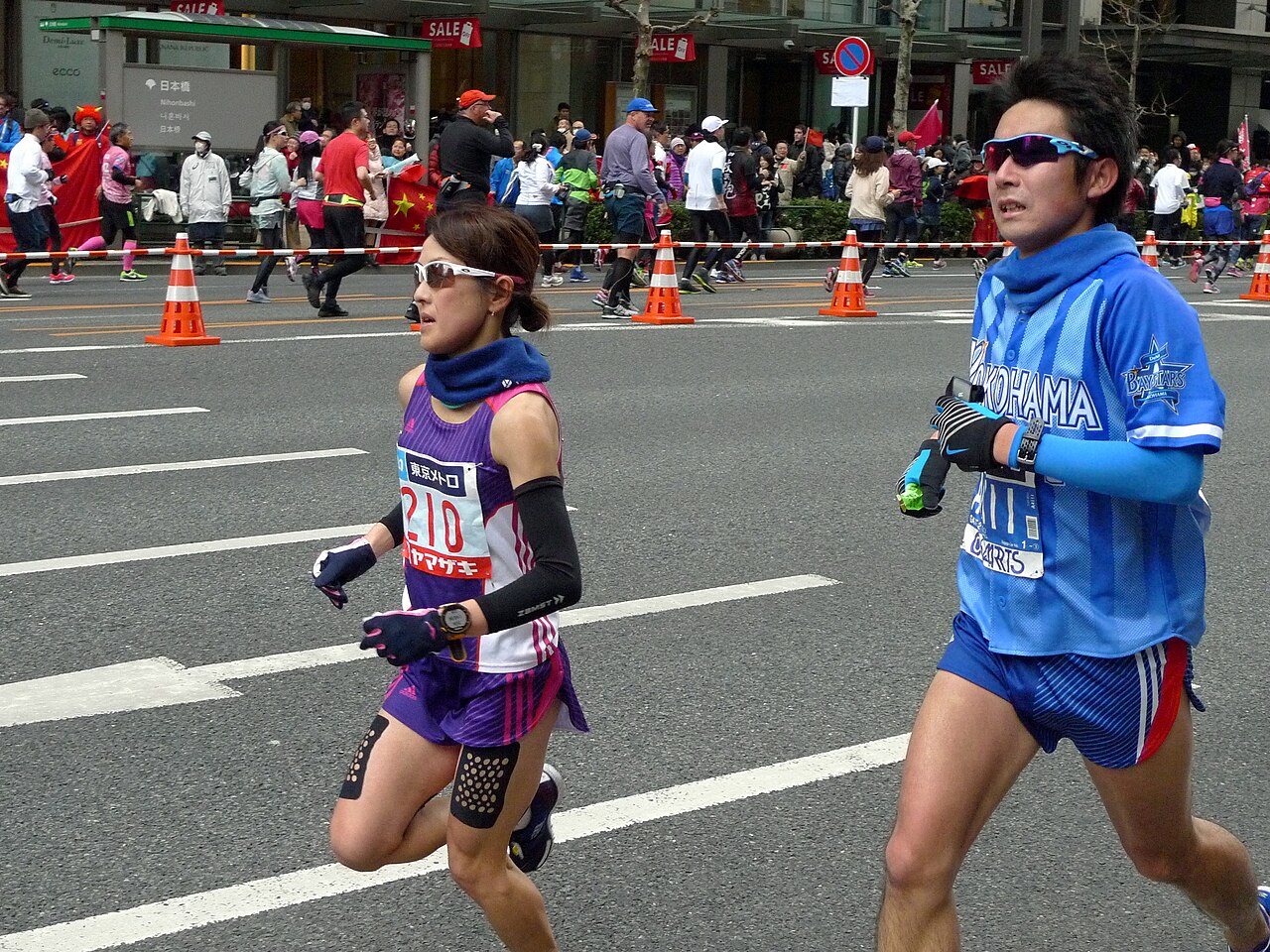
The analysis combined aerobic endurance, strength or power, agility, anaerobic capacity and muscular-endurance outcomes. Benefits appeared more evident in some categories, while anaerobic capacity and muscular endurance were inconsistent. A seller should not cite the overall number and imply that every type of workout improves. The relevant question for a cyclist, sprinter and lifter is different. Readers should find the closest exercise test, participant group and primary endpoint rather than assuming an amino acid has one universal performance effect.
Dose and timing are not settled
The review did not identify a significant linear dose-response relationship within the commonly studied one-to-six-gram range. An apparent timing advantage near one hour before exercise was not robust in sensitivity analyses. Those limitations matter because product pages often present one precise timing rule as established science. A pooled exploratory pattern is not the same as a randomized comparison of several doses and schedules. More taurine is not automatically more effective, and a one-size protocol cannot be back-calculated confidently from heterogeneous trials.
Energy drinks create a separate question
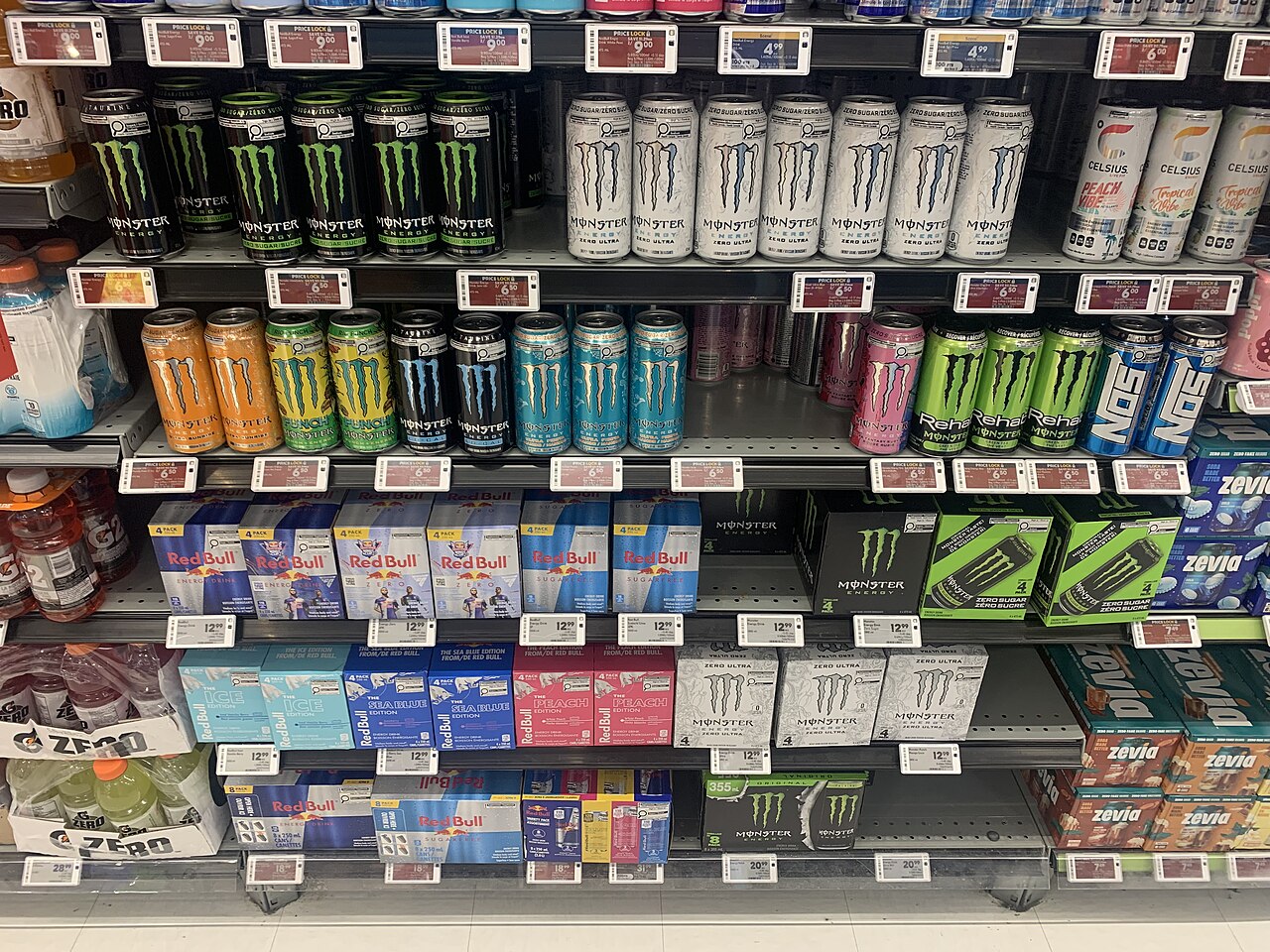
Taurine is familiar from energy drinks, but those products usually contain caffeine, sugar or other compounds. A trial of isolated taurine cannot establish that an energy drink’s effect comes from taurine, and a trial of a multi-ingredient drink cannot isolate the amino acid. Compare the exact taurine amount, caffeine content, serving size and other active ingredients. A noticeable stimulant response after an energy drink should not be used as evidence that taurine alone improved performance.
Blinding and expectation are difficult but important
Taurine capsules and beverages can differ in taste, volume and co-ingredients, potentially revealing the condition. Small crossover studies also depend on adequate washout, consistent pre-test meals and familiarization with the performance task. These design details influence confidence when effects are modest. A consumer cannot audit every trial from an advertisement, but can look for preregistration, credible placebo design, complete outcome reporting and independent replication. One favorable test is a starting point, not a settled conclusion.
Keep an individual trial away from competition
Someone who chooses to test taurine should do so in ordinary training, change one variable at a time and record the exact product, timing, session and symptoms. Competitive athletes should use appropriately certified products. People taking medicines or managing health conditions should seek individualized advice, particularly when taurine comes in a stimulant blend. Current evidence permits cautious interest in a small acute effect. It does not support guarantees, escalating doses or claims that one timing schedule reliably improves every athlete’s endurance, strength, power and agility.
Check sex representation and habitual intake
The 2025 review found stronger apparent effects in males, but that does not establish that sex itself causes a different response. Underrepresentation, small subgroup sizes and different exercise tests can create unstable comparisons. Future trials need adequate enrollment of women and attention to menstrual, hormonal and training context where relevant. Habitual diet and energy-drink use may also influence baseline taurine exposure or expectations. A study in young trained men cannot automatically answer questions for older adults, women, adolescents or elite athletes. Product marketing should state who was studied rather than presenting a subgroup result as a biological rule. Generalizability is part of the evidence, not a footnote after the performance claim.
Replication in larger, balanced samples is needed before subgroup patterns become athlete-selection rules.
Sources & further reading
This article provides educational information. Ask a qualified clinician or pharmacist about your symptoms, medical conditions, medicines and supplement interactions.