Guide: Essential Amino Acids Around Resistance Training—Useful Signal, Context-Dependent Payoff
Essential amino acids stimulate muscle protein synthesis, but benefits depend on total protein, dose, training and the population studied.
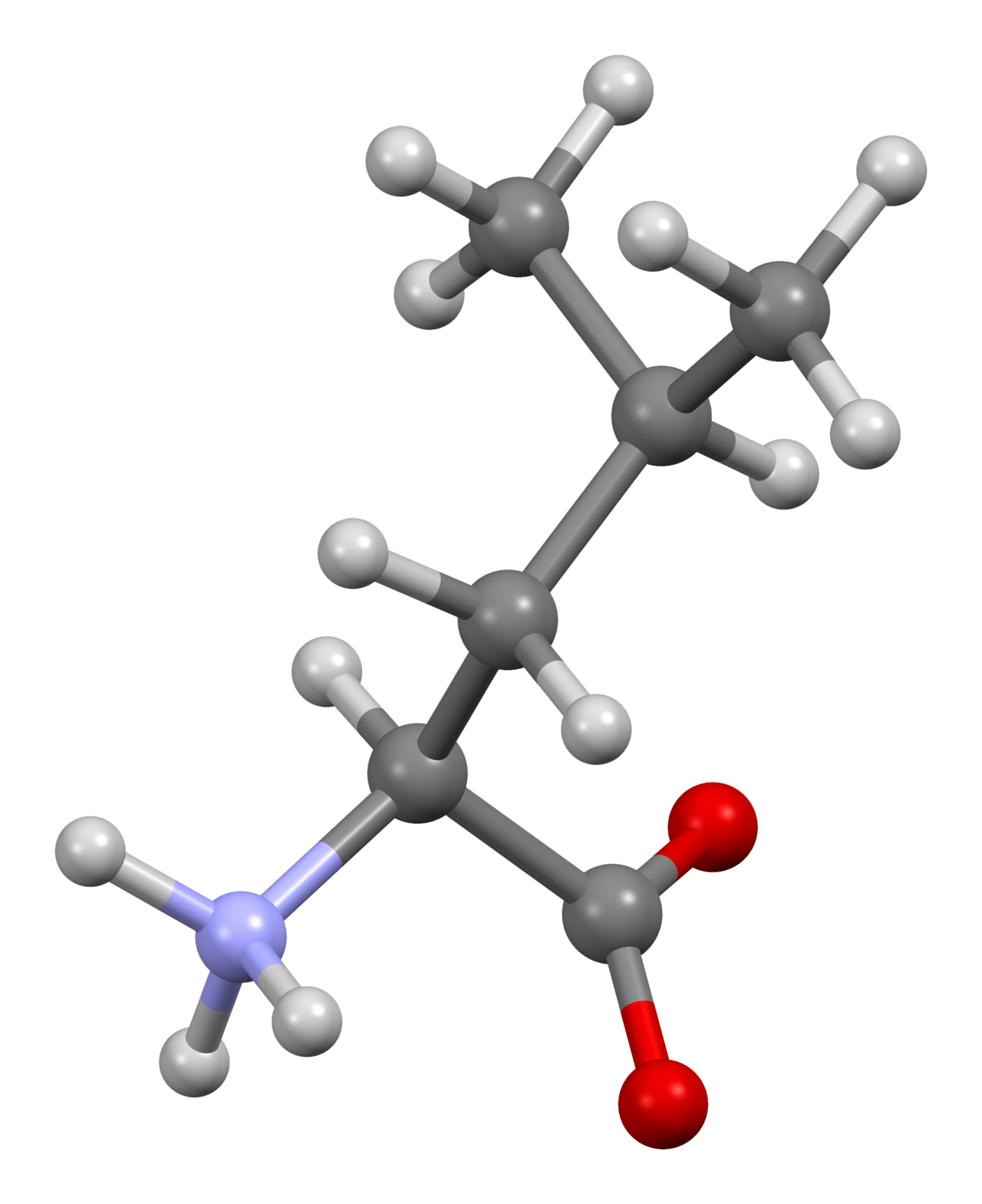
EAAs can stimulate muscle protein synthesis, but they do not outperform an adequate complete-protein diet by default and are not a substitute for progressive training.
The ingredient works; the use case still matters
Essential amino acids are the amino acids the body cannot make in sufficient amounts. A balanced dose, especially one providing enough leucine, can stimulate muscle protein synthesis. That biological effect is well supported. The buying decision is less automatic. A person already eating enough high-quality protein may get little practical advantage from adding free-form EAAs, while an older adult, someone training with low appetite or an athlete facing a long gap between meals may value a compact dose. A BCAA versus complete protein guide helps explain why all essential amino acids are needed to build new protein; leucine can start the signal, but it cannot supply the entire structure. The BCAA and complete protein guide explains why the full amino-acid pattern matters.
What happens after a resistance session
Lifting makes muscle more responsive to amino acids. EAAs enter the blood quickly and can activate anabolic signaling, but a short rise in synthesis is not identical to visible muscle gain. Training progression, daily energy and repeated protein intake still govern the long result. The same distinction appears in a pre-sleep casein guide: an acute response supports a strategy, yet long-term outcomes depend on the whole day. Free amino acids may be convenient and low volume, but complete foods and protein powders also supply EAAs along with other nutrients. The better question is not whether EAAs work in physiology, but whether they solve a real intake or timing problem. The collagen tendon training guide answers a different tissue question and should not be substituted for muscle protein evidence.
Controlled studies support a targeted role
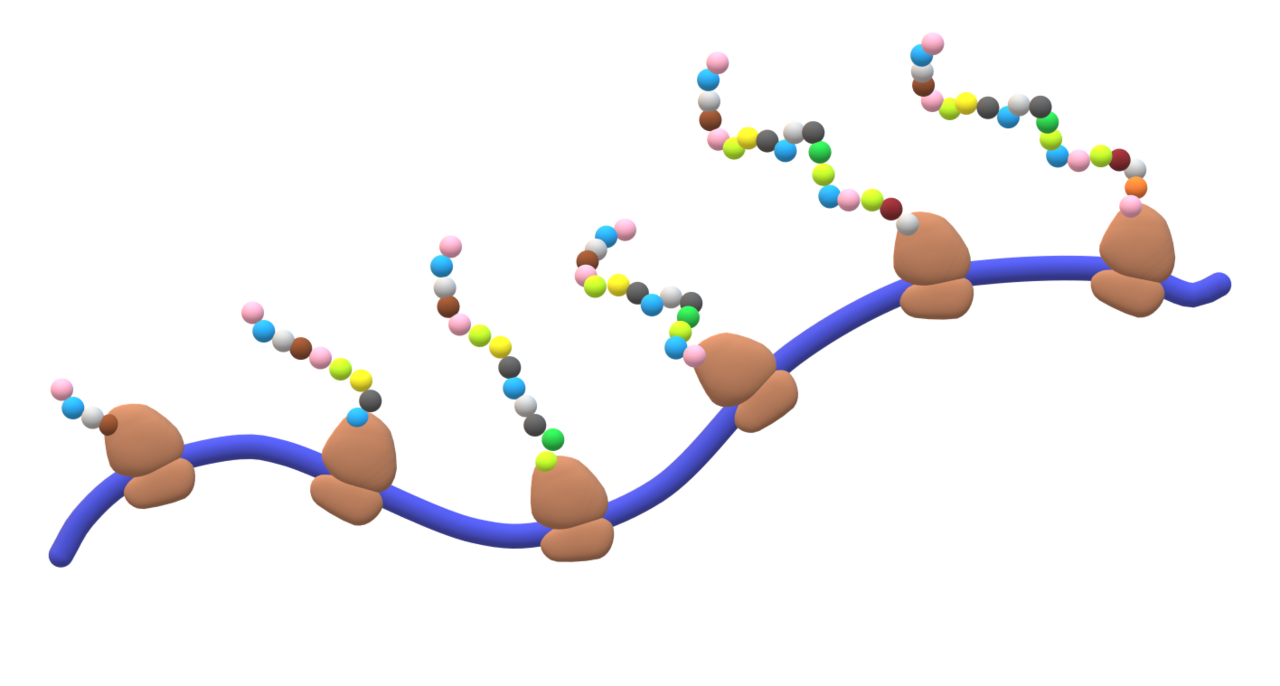
Recent randomized research has shown that resistance exercise combined with an EAA mixture can increase muscle protein synthesis and anabolic signaling. Other trials in older adults suggest that repeated EAA intake, sometimes paired with training, may support lean tissue or function in selected settings. Study populations and formulas differ, and some protocols provide substantial leucine or additional nutrients. These findings do not prove that an EAA drink adds muscle when total daily protein is already sufficient. They also do not validate proprietary ratios. The evidence supports a usable delivery format, not a rule that every lifter needs a separate amino-acid product.
Choose a formula that can answer the question
Look for all nine essential amino acids, disclosed amounts and a meaningful total dose rather than a tiny proprietary blend. Avoid confusing EAAs with BCAAs alone. Check sweeteners, sodium and stimulants, especially in products marketed for intra-workout use. A protein powder label guide can help compare cost per useful serving. Athletes subject to testing should prioritize certified products. People with kidney or liver disease, amino-acid metabolism disorders, pregnancy or medically prescribed protein limits need clinical guidance. Gastrointestinal discomfort can occur when a concentrated dose is taken quickly, so tolerance matters as much as the theoretical amino-acid profile. An electrolyte workout guide is more relevant when sweat replacement, not protein delivery, is the gap.
Put EAAs in the right slot
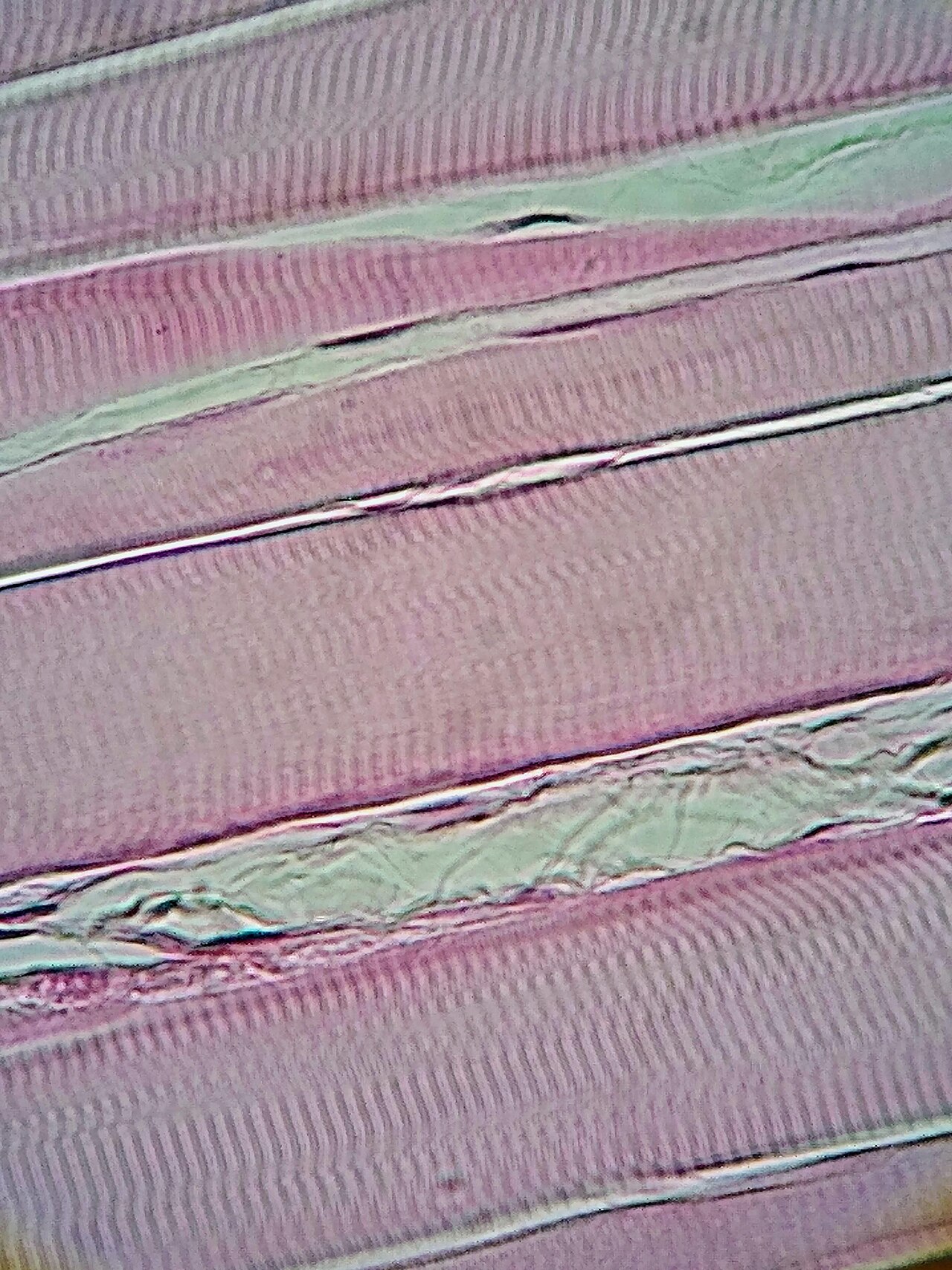
Start by estimating total daily protein and distributing complete servings across meals. If a training session falls after a long food gap, a compact EAA serving may be practical; if a full protein meal or shake is available, it may not add much. During long endurance work, carbohydrate and fluid usually matter more than amino acids, as a carbohydrate gel guide explains. Test the product in training, count its amino acids toward the whole-day plan and avoid stacking several overlapping powders. The practical close is simple: EAAs are a legitimate protein-building tool, especially when appetite or meal timing is constrained, but adequacy and consistency beat an extra layer of supplementation. The quercetin recovery evidence is a reminder that biomarkers and muscle building are separate outcomes.
Who is most likely to value convenience
EAAs may be most useful when a full meal is impractical, energy intake is deliberately low or chewing and appetite limit protein. They can also be easier to tolerate close to training than a large shake. That is a convenience advantage, not proof of superior muscle gain. Compare the EAA dose with the protein already eaten at nearby meals and consider the cost. Whole foods and complete proteins deliver nonessential amino acids and other nutrients too. People with kidney disease, metabolic disorders or clinician-directed protein limits need individualized advice. For everyone else, use an EAA product to solve a defined timing or appetite problem, not simply because a colorful intra-workout drink feels more advanced.