Electrolyte powders: the workout context changes the comparison
A consumer guide to sports drink and electrolyte labels, exercise context, and why hydration claims need a specific question.
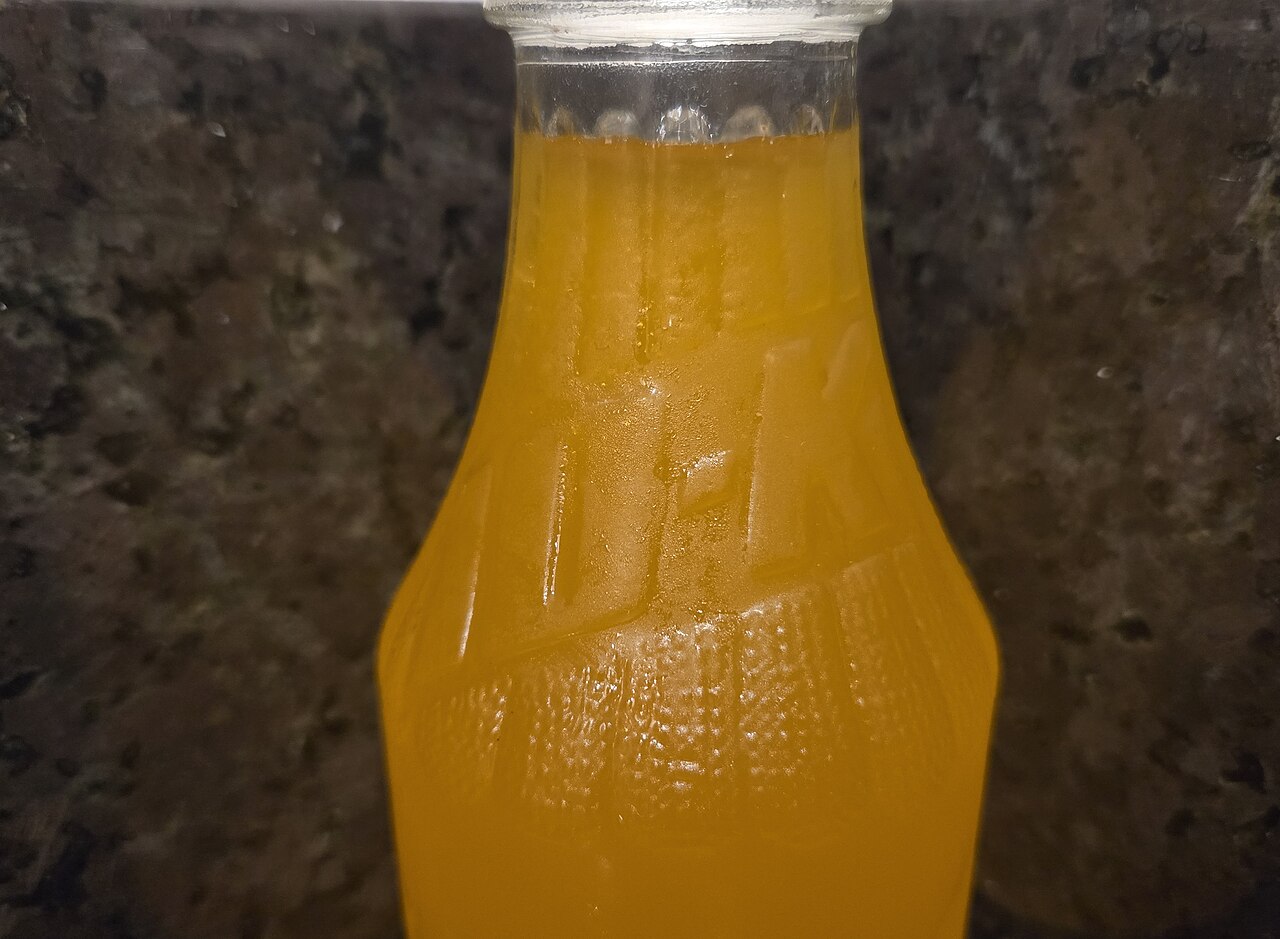
Compare the prepared drink and the actual session: electrolytes, carbohydrate, and serving volume answer different questions.
Describe the session first
An electrolyte packet can be marketed for a short gym visit, a long hot race, and everyday wellness using almost the same language. Those situations do not necessarily raise the same nutrition question. Before deciding which product is best, describe the session: its duration, intensity, environment, and practical opportunities to drink or eat. A clear description is more useful than a generic promise of hydration.
The Australian Institute of Sport describes sports drinks as products that vary in carbohydrate and electrolyte content. That variation matters because a drink can be designed to provide fluid, carbohydrate, or both. The presence of minerals does not tell the reader whether a product also supplies meaningful fuel, and a sugar-free drink is not nutritionally identical to a carbohydrate-containing one.

Separate electrolytes from fuel
Read the electrolyte amounts rather than comparing only the word electrolytes. A package may list sodium, potassium, or other minerals in different amounts, while the front panel emphasizes a total blend weight. The useful comparison depends on the actual components. A large combined number can be hard to interpret when it obscures which substances make up that number.
Carbohydrate deserves its own line on a comparison sheet. Some athletes want a drink that contributes energy during a prolonged session; another person may simply want a beverage they enjoy. These are distinct preferences and use cases. Neither the absence nor the presence of sugar independently proves that the product is the right choice for every exercise setting.
Compare the prepared drink
Powders also require attention to preparation. A serving may be intended for a stated volume of water. Comparing the dry packet weight without considering that volume does not compare the drinks that people actually consume. Record both the serving and the prepared volume when comparing labels, and avoid assuming that a stronger-tasting or more concentrated drink is automatically better.
Ready-to-drink products can create a similar problem if one bottle contains more than one labeled serving. Check the container information before comparing it with a single packet. The practical purchase may be a bottle, while the nutrition figures refer to a portion of that bottle. A careful comparison keeps those units aligned instead of mixing container totals with serving totals.

Read research outcomes accurately
A systematic review of rehydration beverages examined carbohydrate-electrolyte solutions in exercise-related dehydration. That is a narrower question than whether everyone benefits from an electrolyte product every day. The setting and the comparison group matter. Research about rehydration after a defined fluid loss should not be silently repackaged as evidence that ordinary water is inadequate for normal daily life.
Also distinguish a hydration measure from a performance outcome. Fluid retention, a blood-volume measure, perceived thirst, and finishing time are not the same endpoint. A study may legitimately focus on one while telling us little about another. Advertising becomes less useful when it combines these measures into an undefined claim that one drink hydrates better in all circumstances.
Know when a shopping question is not enough
People with kidney disease, heart conditions, fluid restrictions, or medicines affecting electrolyte balance need advice suited to those circumstances. Severe illness or concerning symptoms after exercise are not problems to solve by comparing retail packets. A sports nutrition product is a consumer option; it is not a substitute for evaluation when someone feels seriously unwell or has a medical restriction.
For routine label decisions, keep the framework concrete: session context, electrolyte composition, carbohydrate, prepared volume, taste, and cost. This avoids asking one product to meet every possible need. A professional-looking packet can still provide too little relevant information, while a simple drink may fit the intended use. The useful choice is tied to a clear question about a real session. Comparing those details is more informative than assuming every product sold for hydration serves the same purpose.
Sources & further reading
This article provides educational information. Ask a qualified clinician or pharmacist about your symptoms, medical conditions, medicines and supplement interactions.