Quercetin for training: small endurance effects and recovery findings need context
A guide to quercetin endurance and recovery meta-analyses, food versus supplements, biomarkers, safety and product claims.
Quercetin research shows small endurance effects and selected recovery signals, but study quality and outcome differences limit broad claims.
Endurance effects were small
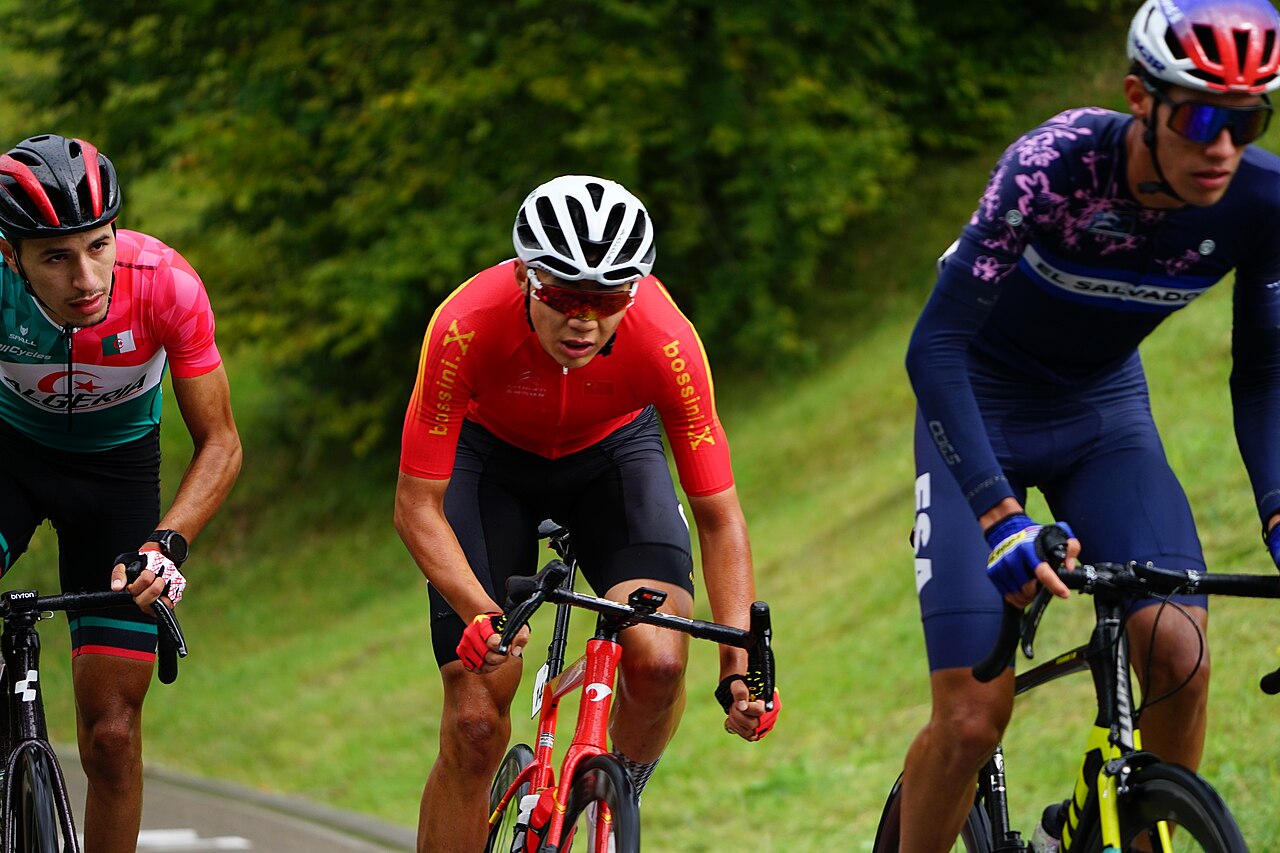
A meta-analysis of 11 studies and 254 participants found that quercetin produced a statistically favorable effect on maximal oxygen uptake and endurance performance, but the magnitude was between trivial and small. The authors estimated an average difference of roughly two percent and could not explain variation by fitness level or blood quercetin concentration. A small average may interest elite competitors, but it does not mean every athlete improves or that the effect exceeds normal day-to-day testing variation.

Recovery research asks a different question
A 2023 systematic review and meta-analysis of 13 studies reported faster recovery of selected muscle-function measures and reductions in soreness, creatine kinase and oxidative-stress outcomes after damaging exercise. Every included study had some risk-of-bias concern, and most used one gram per day. Results from a muscle-damage model should not be merged automatically with endurance claims. Less soreness after an unfamiliar eccentric protocol is not the same as greater race performance or long-term training adaptation.
Food and concentrated supplements are different exposures
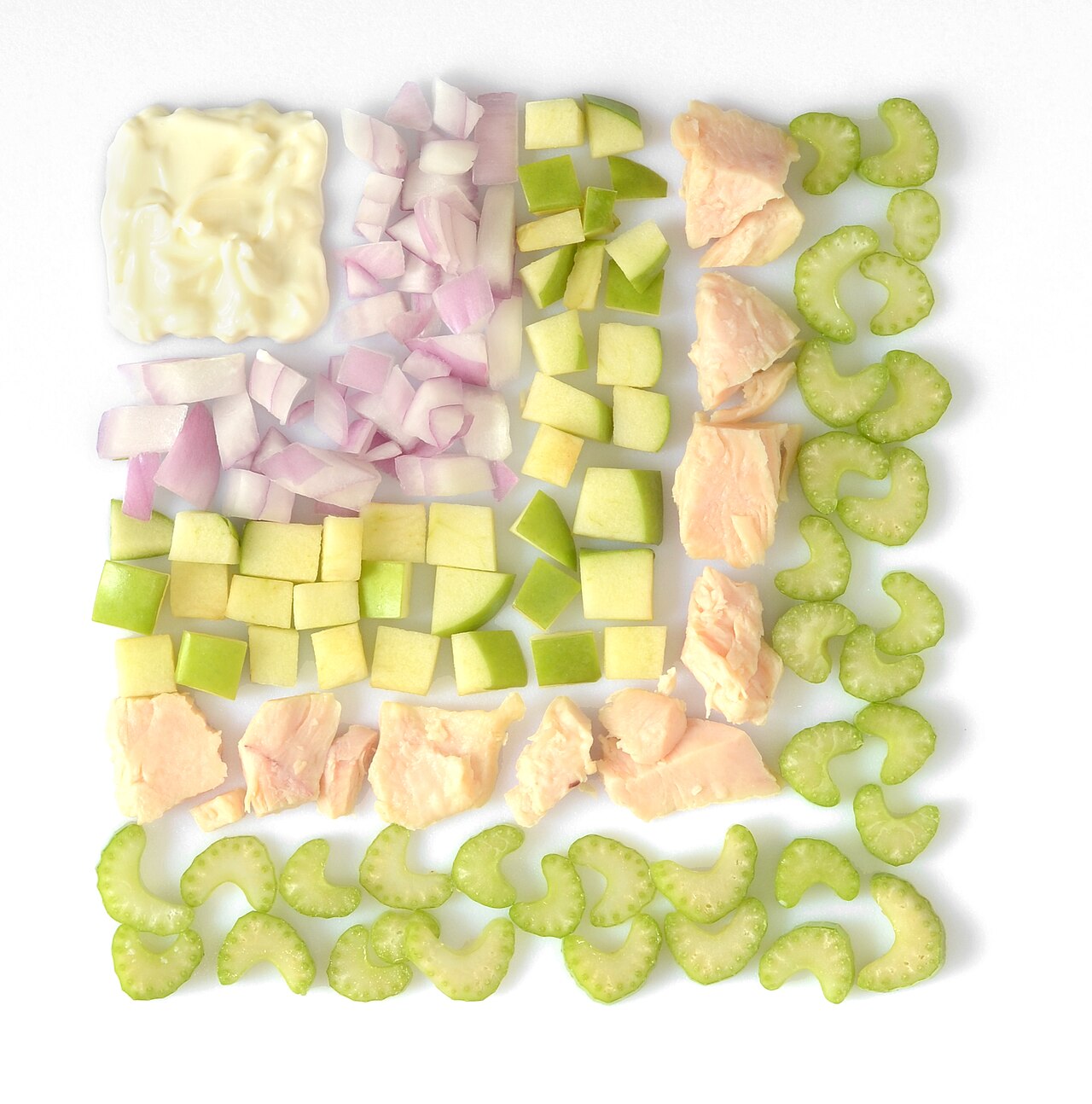
Quercetin occurs naturally in foods including onions, apples and other plant foods, but supplement trials often use amounts far above ordinary servings. Evidence about a concentrated capsule does not mean eating one food produces the same exposure, and evidence about a healthy plant-rich diet does not validate a high-dose isolate. Consumers should compare the actual amount, formulation and duration rather than relying on the familiar word flavonoid.
Mechanisms can outpace functional evidence
Antioxidant and anti-inflammatory pathways provide reasons to study quercetin, while laboratory markers can show biological responses. Athletes ultimately need functional outcomes such as force recovery, time trial, power or training availability. Suppressing every oxidative signal is not automatically desirable because exercise-related signaling also contributes to adaptation. Research has not established that chronic high-dose antioxidant use improves every training program.
Formulas often add other ingredients
Quercetin products may include vitamin C, bromelain, zinc or other flavonoids. A favorable study of isolated quercetin cannot validate the mixture, and a multi-ingredient trial cannot identify quercetin’s contribution. Check each amount and total intake across immunity, allergy and recovery products. A sports claim borrowed from one-gram trials should not be attached to a lightly dosed blend without explaining the mismatch.
Safety depends on dose and duration
Short trials do not settle long-term safety at concentrated intakes. Quercetin can interact with medicines and may be inappropriate for some people with kidney disease, pregnancy or complex health conditions. Gastrointestinal symptoms, headache or other reactions should be documented. Competitive athletes need batch-certified products because a plant-derived label does not confirm purity. Clinical guidance is appropriate when high-dose use is being considered.
Report the evidence proportionally
A responsible quercetin article distinguishes a small pooled endurance effect from recovery findings after damaging exercise and acknowledges bias concerns. Consumers can decide whether a narrowly defined benefit is worth the cost without being promised universal antioxidant recovery. Food quality, training load, sleep and adequate carbohydrate and protein remain the major recovery tools. Quercetin is research-supported enough for a cautious discussion, not for a claim that it reliably prevents soreness and improves every performance domain.
Account for normal dietary patterns and training status
A trial in sedentary adults experiencing unfamiliar muscle damage may leave more room for improvement than a study in highly trained athletes accustomed to the exercise. Baseline fruit and vegetable intake, other antioxidant supplements and recent training can also influence the response. Many studies are too small to examine these factors reliably. Product marketing should not present one average as equally applicable to an elite cyclist, recreational lifter and untrained person beginning exercise. If an athlete experiments, the surrounding diet and training week should be recorded, and changes should be tested repeatedly rather than judged from one session. A perceived benefit may still be worthwhile, but it should not be confused with proof that quercetin produced the effect. Careful context is especially important when the pooled performance advantage is small.
Sources & further reading
This article provides educational information. Ask a qualified clinician or pharmacist about your symptoms, medical conditions, medicines and supplement interactions.