Transparent Labs Vitality Review: Evidence & Performance
Transparent Labs Vitality review: the formula, study populations, measured outcomes and performance claims. Examine the evidence before comparing alternatives.
Transparent Labs Vitality is easiest to understand as a multi-ingredient testosterone-support capsule, rather than a quick energy pill. Its appeal is the recognizable extract roster: KSM-66 ashwagandha, PrimaVie shilajit, LJ100 tongkat ali and L-OptiZinc sit alongside DIM, quercetin, boron and black pepper extract. That is a more specific proposition than a mysterious hormone blend with an impressive total weight. A reader can identify the ingredients and ask whether their doses resemble the.
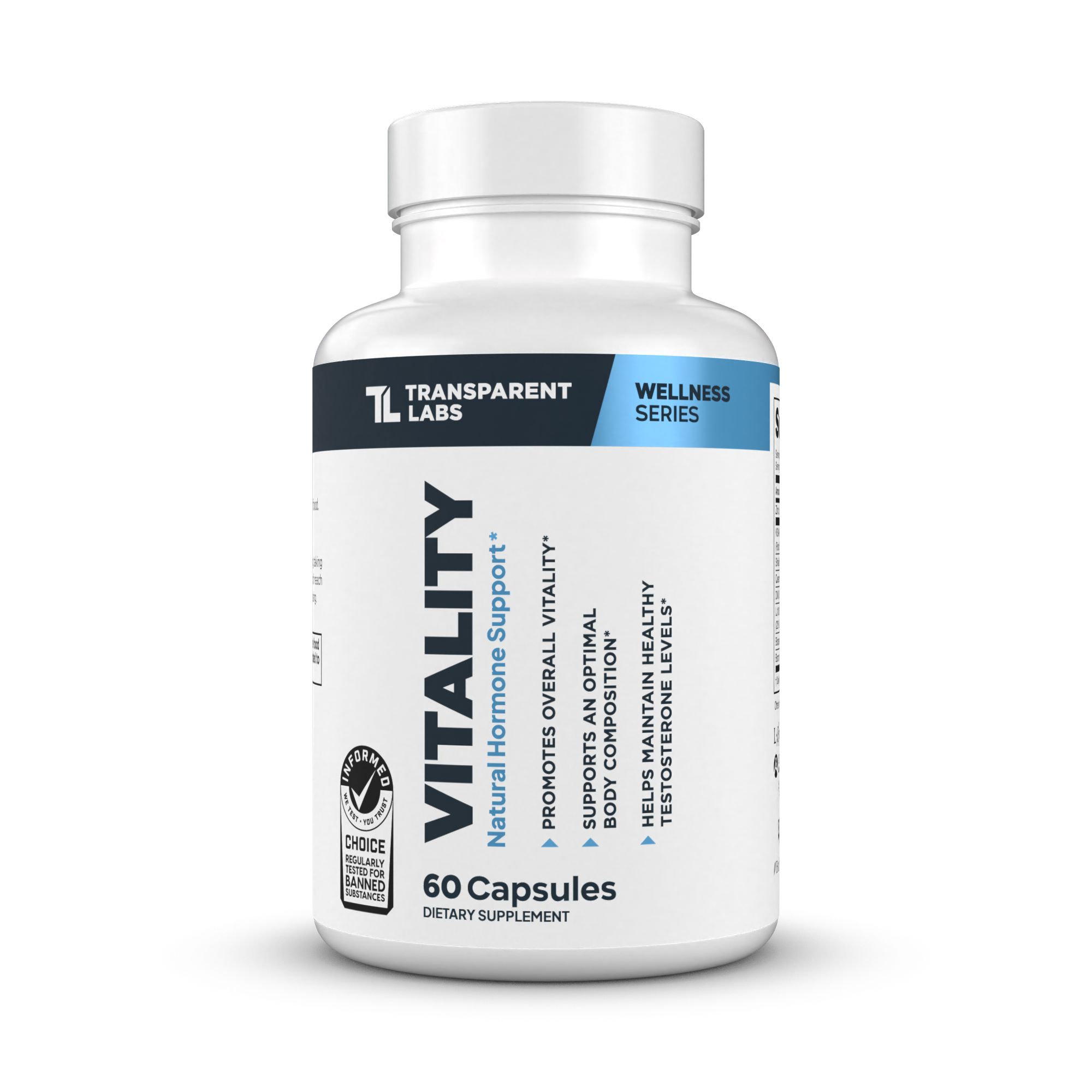
Published-label and research assessment. We checked current catalog information, available Supplement Facts images and linked scientific sources. No personal use, independent laboratory testing or head-to-head trial is claimed. Two promotional recommendations concern products or services sold by the owner of this publication.
Is Transparent Labs Vitality Testosterone Support the right fit for your goal?
Transparent Labs Vitality Testosterone Support is worth evaluating for its actual formula and current label, rather than its reputation alone. This review looks at performance claims in context: what is documented, where the evidence is limited, and which practical questions matter before a purchase. The aim is a useful decision, not a score assembled from promotional claims.
We also identify Max T as a category-matched option from our own range in two clearly marked recommendation sections. That commercial relationship does not change the evidence standard applied to Transparent Labs Vitality Testosterone Support. Genuine strengths are acknowledged, unresolved details stay unresolved, and no hands-on testing or clinical superiority is invented.
A formula with a clear identity
Transparent Labs Vitality is easiest to understand as a multi-ingredient testosterone-support capsule, rather than a quick energy pill. Its appeal is the recognizable extract roster: KSM-66 ashwagandha, PrimaVie shilajit, LJ100 tongkat ali and L-OptiZinc sit alongside DIM, quercetin, boron and black pepper extract. That is a more specific proposition than a mysterious hormone blend with an impressive total weight. A reader can identify the ingredients and ask whether their doses resemble the research being cited.
That transparency deserves credit without turning into a promise. Knowing what is in a capsule helps assess a purchase; it does not establish that the complete formula reliably improves testosterone, strength, libido or daily energy. The fairest assessment separates the product’s documented construction from its hoped-for outcomes. Vitality supplies several interesting ingredients, but a testosterone-support label is not a diagnosis, a laboratory result or an alternative name for testosterone replacement therapy.
What the two-capsule label actually supplies
The current displayed panel uses a two-capsule serving and lists thirty servings per container. The corresponding front bottle says sixty capsules. Those numbers matter when comparing value: one bottle covers thirty label servings, not sixty full days simply because sixty capsules are inside. The eight active amounts are individually disclosed rather than hidden behind one combined proprietary-blend weight.
The formula includes 600 mg KSM-66 ashwagandha, 250 mg PrimaVie shilajit, 250 mg quercetin dihydrate, 125 mg DIM and 100 mg LJ100. Zinc is listed at 15 mg, boron at 5 mg and BioPerine black pepper extract at 10 mg. A useful comparison keeps all those amounts on the same two-capsule basis. It also keeps botanical extract weights separate from mineral quantities and active-marker percentages. Combining unlike numbers into a single potency score would give a misleading impression of precision.
A practical way to compare Vitality is to organize its ingredients by purpose. Zinc supplies a recognized nutrient; the named botanical extracts bring the main hormone-support research story; DIM and quercetin add a broader metabolism and antioxidant rationale. These categories are different. A result measured for stress, an antioxidant laboratory effect and a change in testosterone cannot be added together as though they were three independent demonstrations of improved sexual performance. Looking at the formula this way makes the strengths easier to recognize without expecting every ingredient to deliver a separate noticeable benefit.
Named extracts improve comparison, with limits
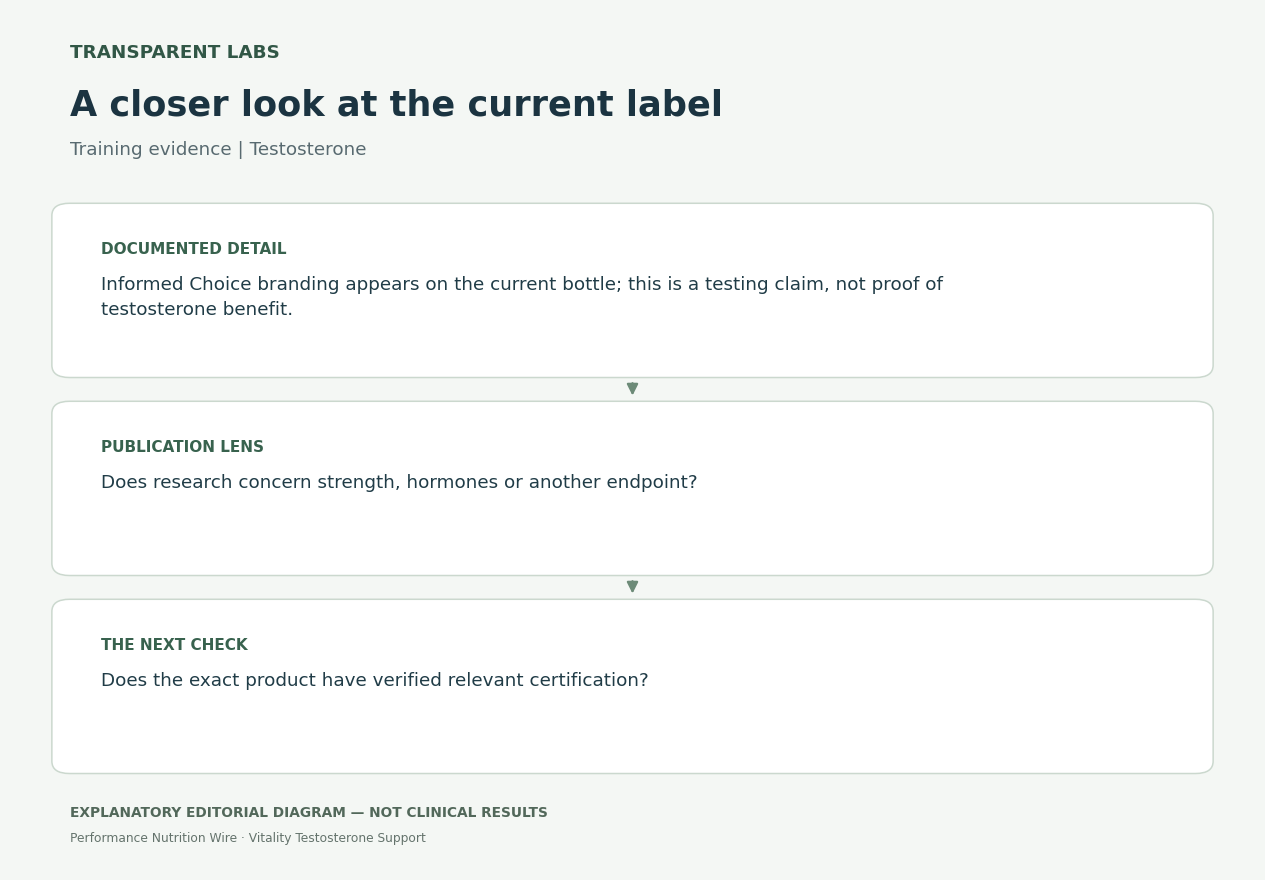
The strongest practical feature is ingredient identification. A named extract can give the reader a more meaningful research trail than an unspecified herb powder. LJ100, for example, has a particular composition; it should not be assumed equivalent to every product bearing the words tongkat ali. KSM-66 is identified as an ashwagandha root extract, which also prevents casually substituting evidence from every preparation of that plant.
Even so, a trademark is not a clinical result. Different studies use different daily amounts, treatment durations and participant groups. A frequently cited purified-shilajit trial used 250 mg twice daily for ninety days in middle-aged men. Vitality’s displayed two-capsule serving supplies 250 mg total shilajit, so it would be inaccurate to describe that serving as reproducing the trial’s daily regimen. The useful question is how closely each ingredient matches the evidence, not how many recognizable logos appear on the label.
What the hormone evidence can support
The broader testosterone-booster literature is uneven. Some extracts show encouraging hormone changes in selected male populations, while many popular ingredients do not produce consistent effects. Findings in men with low starting values, substantial stress or specific health characteristics cannot simply be carried over to every healthy younger lifter. A change in a blood marker also does not establish a noticeable improvement in confidence, sexual function or training progress.
For Vitality, the appropriate language is therefore conditional and specific. The formula contains ingredients that have been investigated for hormone-related outcomes. That is different from saying the finished retail mixture has been shown to normalize low testosterone or prevent a need for treatment. No randomized efficacy trial of this exact complete product was verified in this research.
Training results need their own evidence
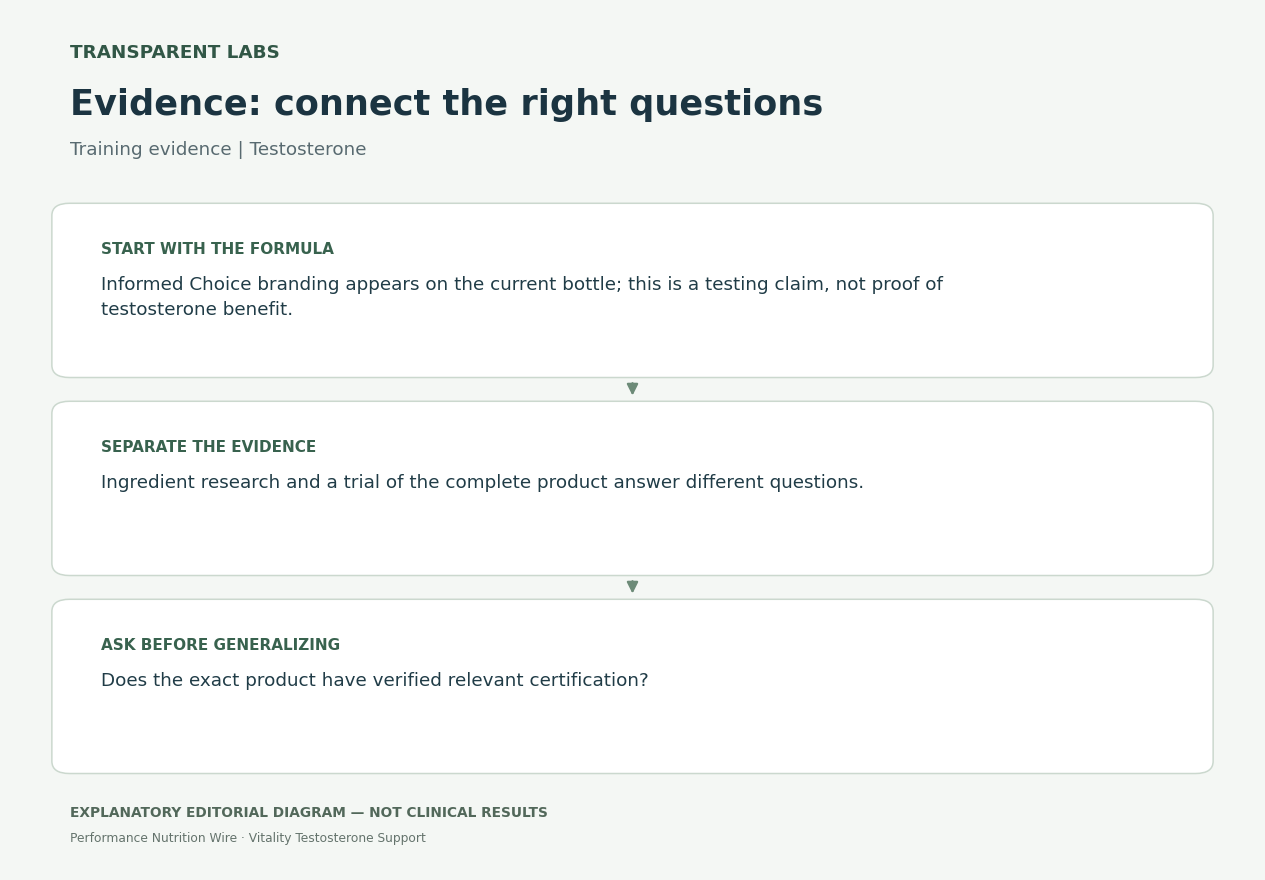
A formula can appeal to active men without being shown to increase strength, muscle size, endurance or recovery. Those are separate endpoints, and evidence about a hormone marker or a botanical mechanism does not automatically establish them. For Transparent Labs Vitality Testosterone Support, ask whether the relevant studies measured the outcome you actually care about, used a comparable preparation and enrolled people whose starting point resembles yours. A well-known ingredient is a reason to examine the study, not a substitute for examining it.
Keep sports goals distinct from medical or sexual-health goals. The right response to a persistent symptom may be clinical assessment rather than another performance-oriented supplement. At the same time, a reasonable consumer comparison can still consider formula transparency, daily serving burden and how a product fits a structured routine. The most useful review identifies those practical strengths without dressing them up as measured improvements in athletic performance.
What a testosterone-support comparison should establish
A useful testosterone-support review distinguishes normal nutritional support from treatment of a hormonal disorder. A formula may combine minerals, vitamins and botanicals with different kinds of evidence. Some research concerns people with low baseline levels or a particular deficiency; other studies examine selected extracts in small groups. Neither situation justifies promising the same result to everyone. Ingredient research is relevant context, but the complete product, preparation, dose and study population still matter.
More ingredients also mean more comparison work. Check what is individually disclosed, what sits inside a blend and what overlaps with other products. Extract ratios and herb-equivalent numbers need careful reading. A plant name shared between two formulas does not establish matching exposure, and a larger headline quantity does not settle efficacy. If two sources disagree about the current formula, the disagreement should remain visible until the manufacturer resolves it.
For a reader deciding whether to buy, the reasonable conclusion is specific rather than universal. Evaluate the product’s documented strengths, unresolved questions and fit with a realistic routine. If symptoms suggest a possible hormonal issue, discuss appropriate evaluation instead of treating a supplement as a substitute for diagnosis. Our category-matched recommendation offers another label and purchase option to assess; it does not establish that an owned formula raises testosterone more effectively or treats clinically low testosterone.
DIM, quercetin and boron need careful interpretation
Vitality does more than combine familiar testosterone-support botanicals. DIM and quercetin give the formula a wider hormone-metabolism and antioxidant story. Those mechanisms may be scientifically interesting, but a plausible pathway does not tell a buyer how much better he will feel after taking the capsules. Estrogen is also part of normal male physiology, so marketing about hormone balance should not become a blanket instruction to reduce estrogen in men who have never been evaluated.
Boron presents another example of the difference between a label feature and a demonstrated benefit. The panel lists 5 mg, allowing a reader to count overlap with other supplements. Small mechanistic or short-term studies cannot establish that this amount consistently improves sexual performance or builds muscle. Describing boron as essential for testosterone boosting would overstate the case.
The milk declaration also changes how the formula fits into a routine. Someone avoiding dairy for preference and someone with a milk allergy are not facing exactly the same decision. An allergen statement takes priority over assumptions based on a capsule’s appearance or a clean-label description. The two-capsule panel is the relevant reference, including the other ingredients. The same attention belongs in comparisons with another product: a shorter capsule list, a different shell or a larger bottle count cannot settle whether an alternative fits an individual’s dietary requirements.
Testing is valuable, but it tests a different question
Transparent Labs displays testing information, including purity and ingredient-verification links, and the bottle carries Informed Choice branding. That is worth distinguishing from an efficacy claim. Identity, contaminants and banned-substance screening address what a product contains or may expose a user to. They do not demonstrate that a particular man’s testosterone will rise or that his fatigue has a hormonal cause.
Public documentation is more helpful than a testing badge with no supporting detail. It would still be unfair to describe a brand as independently proven effective merely because testing information is available.
Suitability includes the milk allergen
The current displayed panel lists milk as an allergen. That is a concrete purchasing consideration and should not disappear behind phrases such as clean ingredients or natural support. The capsule shell is hypromellose, but a plant-based capsule shell alone does not establish that the entire product is suitable for someone avoiding milk. Readers with a milk allergy need the actual package checked before use.
The other meaningful considerations arise from the active ingredients. NCCIH notes that ashwagandha may affect thyroid function, interact with medicines and pose problems for some liver or hormone-sensitive conditions. Piperine can alter the exposure to some medicines, which makes its absorption-enhancer role relevant to safety as well as marketing. Zinc and boron also add to amounts from multivitamins or other hormone-support blends. These points need concise explanation, not alarmist language, because suitability depends on the person and the complete routine.
Daily value percentages are not a hormone-effect score. Vitality’s 15 mg zinc is useful to count against food and other supplements, while the 5 mg boron amount belongs in a separate total. Neither figure tells someone whether low desire or afternoon fatigue comes from a nutrient problem. The clearest use of the label is to identify overlap and check suitability, then use the research to understand realistic expectations. That avoids turning a transparent formula into an excuse to combine several full-dose testosterone-support supplements without considering the cumulative intake.
A fair comparison with another testosterone-support product
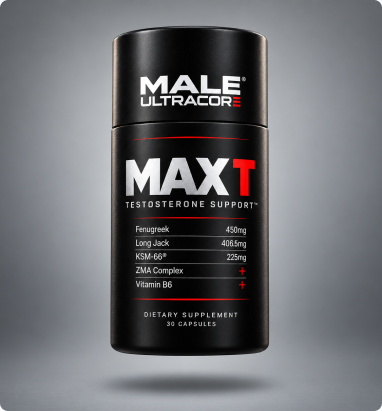
Vitality belongs in a comparison with Max T or Myogentra because all are positioned in the testosterone-support supplement category. A category match is a sound reason to offer another option; it is not proof that the other option is stronger, safer or better value. Those comparisons require verified labels, equivalent daily serving calculations and evidence that actually applies to the two finished products.
A label is only one part of a training decision
Consider the complete plan around the product: the training program, food intake, sleep, other supplements and any applicable competition rules. A claim that a facility follows manufacturing standards is different from a product-specific banned-substance certification. If certification matters to you, verify the exact product and current program rather than assuming that a general quality statement supplies that assurance. Do not infer certification from a familiar brand or a professional-looking bottle.
Price comparisons should use the labeled daily serving and the same period of use. A larger bottle or a prominent discount can obscure a high daily cost or an inconvenient serving schedule. The alternative recommended in this review is an owned product in the matching category, not a demonstrated performance upgrade. Apply the same evidence standards to both choices and avoid stacking several overlapping formulas simply because each has a slightly different athletic sales pitch.
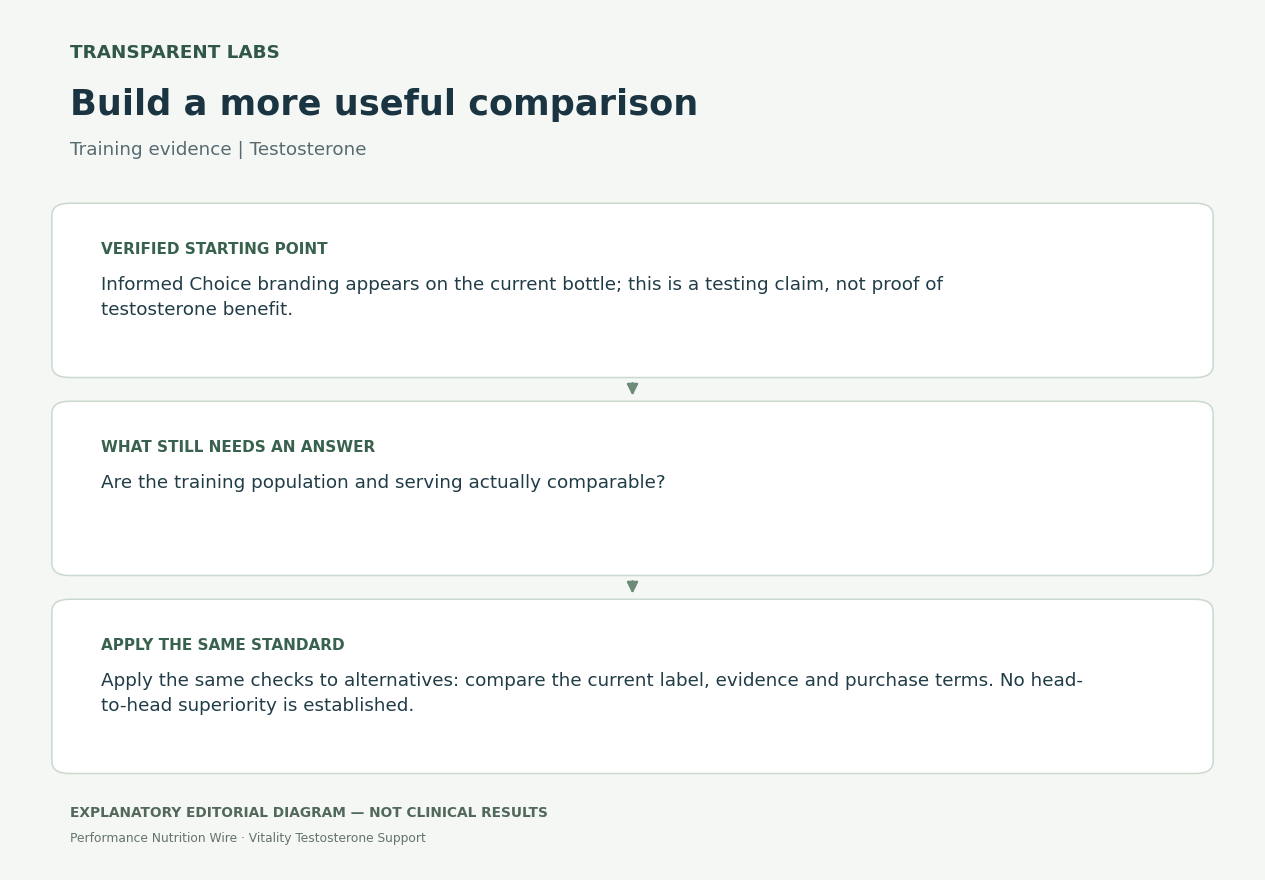
How to compare Transparent Labs Vitality Testosterone Support with Max T
Start with the actual goal rather than a presumed winner. Transparent Labs Vitality Testosterone Support and Max T deserve a comparison of their present product or service details, the kind of evidence available and the practical routine involved. Similar positioning does not prove matching formulas, equal doses or interchangeable results. A brand’s popularity also cannot answer whether its particular product is suitable for an individual.
Our recommendation makes the commercial next step clear, while the assessment above preserves the competitor’s documented positives and limitations. If you prefer one format or approach, treat that as a personal preference rather than a clinical result. Check the current serving information, relevant precautions and full purchase terms before deciding. Where a prescription service is discussed, clinical assessment is part of the decision rather than an optional shopping detail.
The verdict: choose for fit, evidence and a realistic routine
The strongest reason to consider Transparent Labs Vitality Testosterone Support is the combination of documented features described in this review and a goal that actually matches its category. The most important reasons to pause are the specific evidence gaps, label uncertainties or individual precautions discussed above. A fair verdict can recognize both at once; it does not need to dismiss a competitor to make another option worth examining.
For a category-matched next step, the recommendation below highlights Max T from our range. Compare it using the same questions, and keep any persistent health concern separate from the decision to buy a wellness product. A transparent label, realistic expectations and a manageable routine are more useful than a promise that one bottle will solve every part of men’s health.
Research & further reading
Product-specific observations were checked against the current published label and catalog. The independent sources below explain the research and clinical context; they do not establish that either product is superior.
- Systematic review of proposed testosterone boosters
- Eurycoma longifolia and serum testosterone: systematic review and meta-analysis
- NCCIH: Ashwagandha usefulness and safety
- NIH ODS: Zinc health professional fact sheet
- Purified shilajit in healthy middle-aged men: randomized trial
- NIH ODS: Boron health professional fact sheet
Continue reading
Our Max T review · More on testosterone · All product reviews