Max T Review: Named Extracts, Training Context, and a More Convenient Routine
Review Max T’s botanical and nutrient formula alongside ingredient trials, dose comparisons, sport-specific quality questions, and current offers.
Max T offers a broad, convenient formula with named extracts and disclosed nutrients. Its active-lifestyle appeal is strongest with confirmed serving information, realistic evidence comparisons, and appropriate sport-specific checks.
A coordinated formula that invites a closer look
Max T Testosterone Support brings together botanicals, minerals, vitamin B6, and a circulation complex under one men’s wellness label. That format can appeal to a training-minded shopper who prefers one coordinated product to several separate bottles. The current listing provides recognizable ingredients and several amounts, giving a buyer specific details to compare rather than only a broad promise of vitality.
The useful question is whether those details fit the person’s goal and the research being cited. Max T is not established here as a proven strength aid, an endurance product, or testosterone replacement. This documentary review examines the current panel, selected primary ingredient trials, practical format, and commercial terms. Its positive focus is convenience and an identifiable evidence trail. Training, nutritional adequacy, medical symptoms, and competition requirements remain separate considerations that help determine whether this particular combination is an appropriate option.

The botanical core is more specific than an unnamed blend
The current facts graphic lists fenugreek at 450 mg, Long Jack at 406.5 mg, and KSM-66 ashwagandha at 225 mg. Those names provide research pathways for a shopper who likes understanding supplement ingredients. A named extract can make a comparison more precise than an unspecified herb powder, especially when its preparation can be connected to an actual human study.
The same precision should apply to the serving. The panel has an amount-per-serving heading but no visible serving-size or capsule-count line. The page says one capsule daily, but that does not establish that all the panel amounts are supplied by a single capsule. A complete current bottle label is needed before calculating actual daily exposure. This is not a minor detail for a training-oriented review: a study dose, a per-serving number, and a capsule instruction cannot be treated as equivalent without confirming the missing relationship.
KSM-66 provides the clearest training-related research connection
A randomized study used KSM-66 ashwagandha root extract at 600 mg daily alongside resistance training for eight weeks in men with limited previous training experience. Selected strength, recovery, and body-composition results favored the extract. That is a substantive human research background and a genuine reason the ingredient attracts attention in men’s wellness products. It gives a buyer something more informative than a general claim that a plant supports performance.
The current Max T panel’s 225 mg figure and unresolved serving basis do not establish a matching intervention. The study also did not test Max T or every kind of trained athlete. Differences in experience, training program, extract exposure, and outcome matter. The fair positive reading is that the formula includes a recognizable, research-linked ingredient. The finished product’s effect remains a separate question. Increasing capsule intake to imitate a trial is not an appropriate substitute for confirming the intended serving and evaluating the combination as sold.
Hormone measurements and useful performance are different outcomes
A product can discuss testosterone, muscle, energy, and confidence as if they are interchangeable. Scientifically, they are separate questions. A change in a hormone measurement does not automatically establish a meaningful strength gain, a better training session, or improved sexual function. Likewise, a subjective feeling of vitality does not diagnose testosterone deficiency. A good review keeps the outcome connected to what was actually measured.
For a man with persistent symptoms, the Endocrine Society’s guidance treats testosterone deficiency as a clinical diagnosis involving appropriate symptoms and consistently low measurements. A supplement cannot establish that diagnosis or replace a targeted assessment. Max T can still be interesting as a coordinated wellness formula, but its value should be judged against a defined goal. A shopper who wants a convenient product and a shopper seeking treatment for a diagnosed condition are making different decisions, even if both are attracted to the word testosterone.
Fenugreek research supports investigation rather than a blanket promise
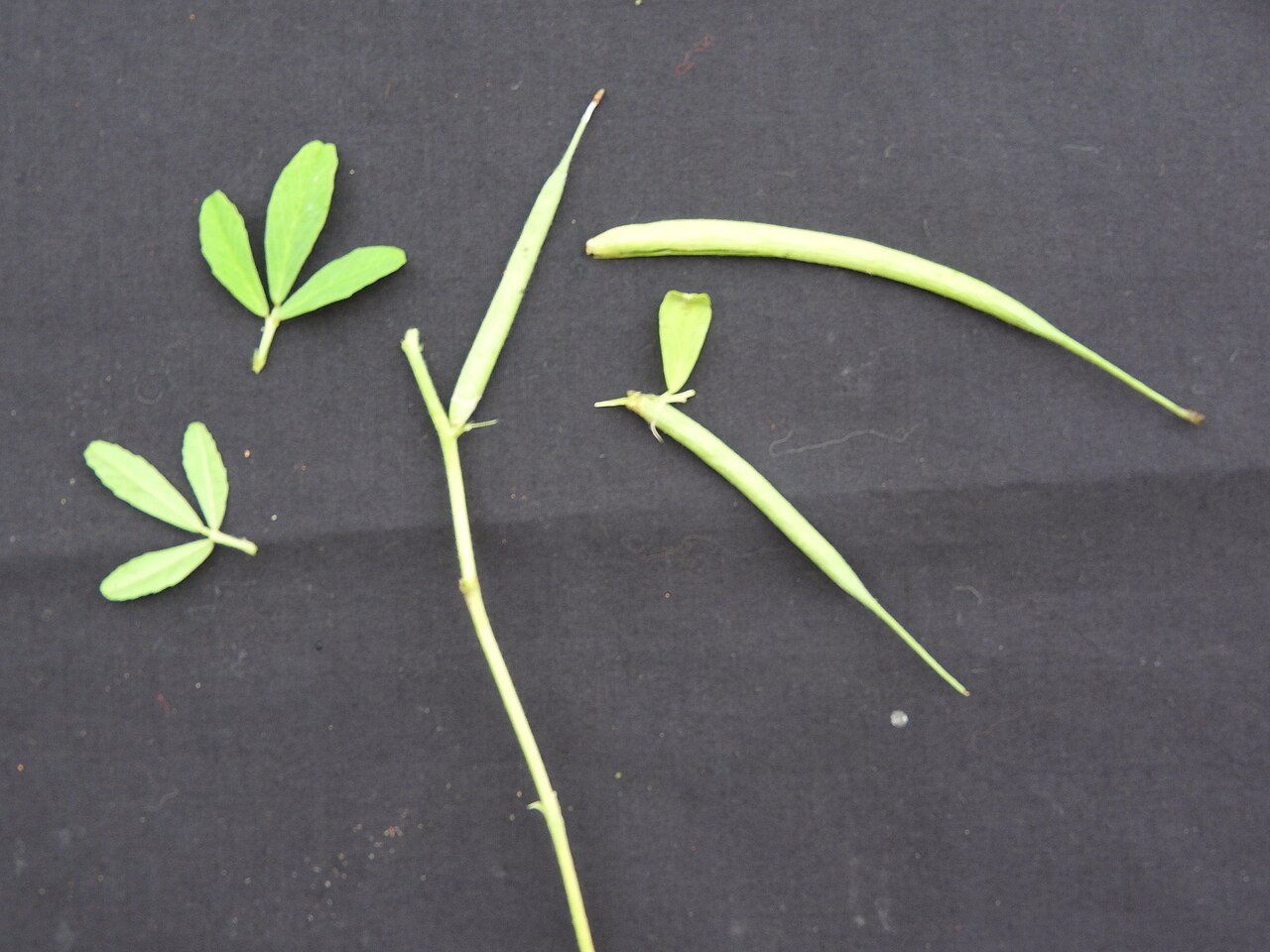
The current panel describes fenugreek standardized to 50% fenusides, while other page copy uses Testofen-type language. These descriptions do not independently verify a particular branded supply chain. Confirming the exact extract identity would make a comparison more useful, because different fenugreek preparations do not automatically have the same composition or evidence. A familiar plant name is a starting point, not the full specification.
A 2024 randomized trial of a particular extract showed differing patterns in plasma and saliva measures. Changes from baseline did not consistently establish a placebo advantage, and subjective effects were not demonstrated. The trial did not test Max T. This makes the ingredient worth reading about carefully rather than assigning it every desired vitality outcome. A positive product choice can be based on a convenient format and an informed interest in the ingredients without claiming that mixed biomarker evidence proves better training adaptation or a guaranteed personal result.
Long Jack adds a separate clinical research pathway
A 12-week randomized trial of a specific aqueous Eurycoma longifolia extract enrolled 109 men aged 30–55 and reported favorable selected sexual-well-being findings. That gives Long Jack a substantive human evidence trail and helps explain its place in a men’s vitality formula. It is a clearer research direction than relying only on traditional reputation or a broad slogan about drive.
The current Max T specification and amount do not establish equivalence to that extract. A larger milligram number is not automatically stronger evidence, particularly when the serving definition is unresolved. The trial was also not a demonstration that the finished product improves lifting performance or endurance. A coordinated formula can include several interesting ingredients while its overall effects remain unverified. Keeping that distinction allows the botanical selection to be appreciated accurately and helps a shopper decide whether the actual combination, rather than an assumed collection of trial results, is worth the purchase.
ImperiFlow broadens the product with a combined amount
The label names a 975 mg ImperiFlow Circulation Complex containing arginine, tribulus, horny goat weed, tongkat ali, maca, saw palmetto, citrulline, Butea superba, muira puama, damiana, Xanthoparmelia scabrosa, and rhodiola. That breadth may appeal to men who want one product covering several familiar wellness categories. It is a distinct practical proposition from buying a single isolated mineral or botanical.
The 975 mg figure applies to the complex, not to each component. Individual amounts are not stated, so the blend cannot be matched precisely to most single-ingredient studies. Long Jack and tongkat ali are also commonly used names for the same botanical, which makes a complete specification especially useful. The product offers identifiable breadth, while the actual exposure to each additional ingredient remains less clear. That is a disclosure limit to understand, not a reason to invent doses or assume every named component is present at a clinically studied amount.
Nitric-oxide biology does not settle the performance question
Arginine and citrulline have a relationship to nitric-oxide pathways, giving a physiological rationale for circulation-oriented formulations. That connection is worth understanding, but a pathway alone is not evidence that Max T improves exercise performance or sexual function at its intended serving. The amount and combination supplied are central to assessing what a product may actually do.
A controlled arginine study in men with defined vascular erectile dysfunction used 6 g daily for three months and reported favorable erectile-function findings. Max T’s whole circulation complex is labeled at 975 mg, with no separate arginine amount. The study cannot be transferred directly to that mixed complex, and it does not establish permanent anatomical enlargement. A training-minded reader should also avoid treating a clinical sexual-function outcome as an endurance result. The positive feature is research-linked rationale; the unresolved question is the actual finished formula’s meaningful effect.
The mineral panel makes overlap easy to identify
The current image lists magnesium as oxide at 124.5 mg, zinc as oxide at 22.5 mg, and vitamin B6 as pyridoxine hydrochloride at 7.5 mg. Its Daily Value percentages are 30%, 204%, and 441%. These are useful reference points for checking a multivitamin, a recovery product, or another men’s supplement already used. A coordinated formula can reduce the number of bottles, but it should not silently multiply nutrients that were already supplied elsewhere.
Nutrient importance does not establish an extra training benefit in an adequately supplied person. A randomized mineral-combination study in resistance-trained men did not find improved training adaptations. NIH lists an adult zinc upper intake level of 40 mg daily and notes that excessive long-term intake can affect copper status. Supplemental magnesium can cause gastrointestinal effects, and forms differ in absorption. Confirming the serving basis is necessary before calculating actual daily totals. More nutrients are not automatically a better performance strategy.
General quality testing and sport certification answer different questions
The seller describes manufacturing controls and third-party testing, which are positive quality aims. A tested athlete, however, needs specific evidence about substances prohibited in sport. A broad testing statement is not automatically a verified certification for the exact product and lot. This review did not establish a sport-certification listing for the current Max T formula.
USADA advises athletes to consider supplement risk and use appropriate third-party certification to reduce risk when choosing supplements. Certification reduces rather than eliminates risk, and it is not an endorsement of every marketed benefit. A competitor should check a current certification database and consult the relevant support team before use. This is a distinct decision from evaluating an ingredient’s clinical research. A product can be appealing for its coordinated format while still requiring additional scrutiny for competition rules, contamination exposure, and the scope of testing actually performed.
Practical convenience depends on the real capsule
The page describes Max T as vegan-friendly and without artificial colors, but the displayed other-ingredient list includes gelatin and FD&C colorants. That inconsistency should be resolved before the product is described as vegan or dye-free. A man with dietary requirements or sensitivities should request the full current bottle panel rather than infer suitability from botanical imagery. The formula’s plant ingredients do not determine every material used in the capsule.
This review has not physically tested capsule size, swallowing ease, or tolerability. The practical attraction is the coordinated product concept, not an invented hands-on experience. Clear serving instructions, compatible capsule materials, and a routine that avoids unnecessary overlap make that concept more useful. A shopper comparing alternatives can ask whether one broad formula or a more precisely dosed single ingredient better fits the goal. Neither format is automatically superior; the right choice depends on what information and convenience the person values.
Medicines and personal circumstances remain part of the decision
NCCIH notes that ashwagandha may interact with sedatives and medicines affecting blood pressure, diabetes, thyroid function, and immune conditions. Thyroid or liver concerns and upcoming surgery can also affect suitability. Drowsiness and digestive symptoms are possible, and rare liver injury has been reported with ashwagandha supplements. Short-term trial experience does not establish unlimited long-term safety.
A pharmacist can assess the complete current formula and confirmed serving alongside the existing medicine and supplement list. Prescribed treatment should not be stopped or adjusted to accommodate the product. For a training-minded person, this is also a chance to review what every item in the stack is intended to contribute. A coordinated formula is most convenient when it supports a coherent routine, rather than adding overlapping ingredients and uncertain purposes. The product’s appealing presentation should lead to a clear decision about fit, not replace it.
Quality documents can strengthen the formula’s practical case
A certificate of analysis tied to the exact product and lot would make general testing statements more concrete. It can identify the laboratory, the ingredients or markers measured, and the contaminant-screening scope. A report for one raw material or a different formulation does not automatically describe the current mixed capsule. Clear document matching is especially useful when the formula includes several standardized botanicals.
No independently verified batch certificate or finished-product randomized efficacy trial was established in this review. FDA structure/function claims are also different from FDA approval of supplement effectiveness. Identity, purity, and potency testing answer composition questions, while a clinical trial addresses outcomes in people. A buyer can value both kinds of evidence without confusing them. This approach gives the seller’s positive quality aims a concrete follow-up and prevents the word tested from carrying claims that a laboratory certificate cannot demonstrate.
Offer value and our overall assessment
The current catalog lists one bottle at $79.95, two at $139.95, and three at $179.95, with free U.S. shipping advertised. Larger bundles average approximately $69.98 and $59.98 per bottle, and the three-bottle total is $59.90 below three separately listed singles. That is a measurable commercial advantage for someone who has confirmed suitability and wants the supply. The smaller order remains the lower immediate commitment while serving and certification questions are resolved.
The product page’s 30-day guarantee differs from 90-day wording at checkout and in return materials. Confirm the governing written policy and any recurring charge, schedule, and cancellation conditions; general Club terms describe recurring supplies, while the reviewed Max T checkout did not clearly settle the arrangement. Overall, Max T’s strongest case is a convenient formula with recognizable extracts and disclosed nutrients. For active men, the best decision keeps exact serving information, realistic trial comparisons, and sport requirements in view, allowing the product to be considered on genuine wellness merits without a universal performance guarantee.
Sources & further reading
- Max T Testosterone Support current official product page ↗
- Max T Testosterone Support current official Supplement Facts ↗
- Official returns policy ↗
- Official terms ↗
- Ashwagandha and resistance training: randomized controlled trial ↗
- Fenugreek extract and plasma/saliva testosterone: randomized trial ↗
- PHYSTA Eurycoma longifolia: randomized sexual-well-being trial ↗
- L-arginine in vasculogenic erectile dysfunction: randomized trial ↗
- ZMA and resistance-training adaptations: randomized trial ↗
- NIH ODS: Magnesium ↗
- NIH ODS: Zinc ↗
- NCCIH: Ashwagandha ↗
- NIH ODS: Dietary Supplements for Exercise and Athletic Performance ↗
- USADA: Supplement Connect ↗
- Endocrine Society: Testosterone Therapy for Hypogonadism ↗
- FDA: Structure/Function Claims ↗
This article provides educational information. Ask a qualified clinician or pharmacist about your symptoms, medical conditions, medicines and supplement interactions.