Guide: Spirulina for Athlete Recovery and Performance—Biomarkers Are Not a Victory Lap
Spirulina has changed selected recovery biomarkers in small studies, but performance and body-composition results remain inconsistent.
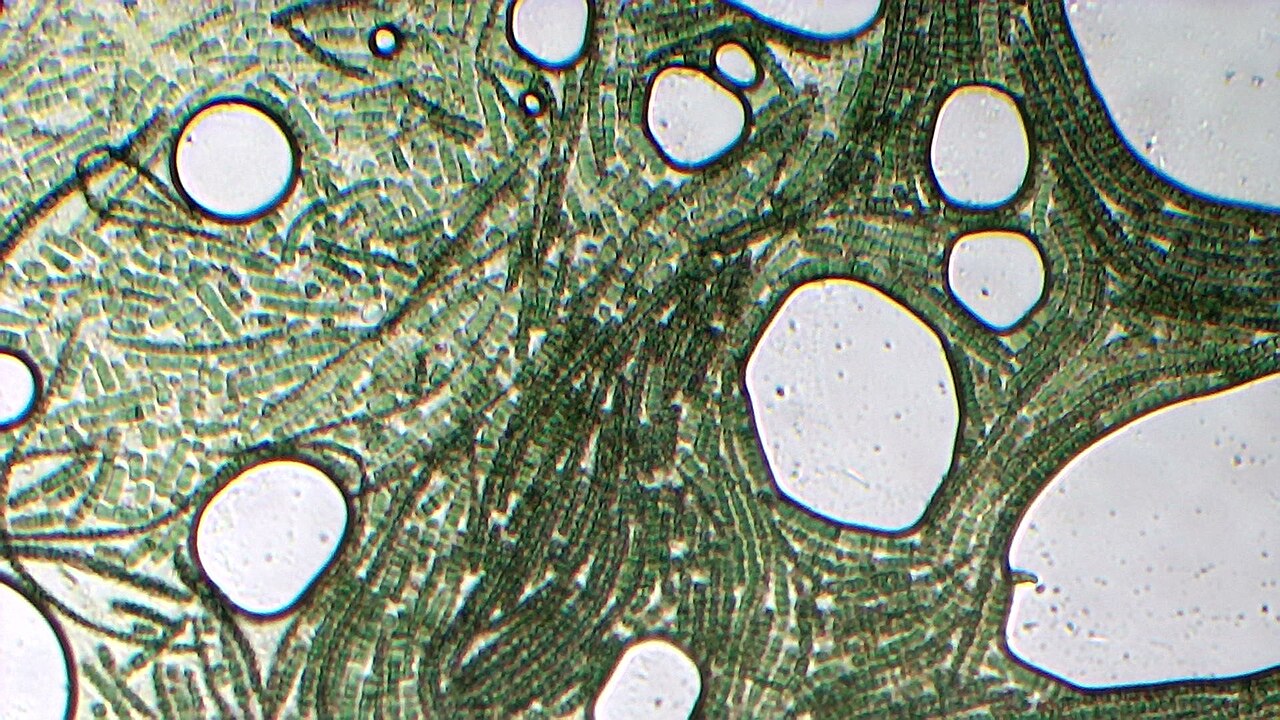
Spirulina can alter selected blood markers, but small trials do not show a consistent improvement in strength, endurance, recovery or body composition.
A blue-green promise needs a clear endpoint
Spirulina is a cultivated cyanobacterium sold as a nutrient-dense powder or tablet. Its pigments, protein and antioxidant compounds make an appealing recovery story, and several small studies report changes in oxidative-stress or muscle-damage markers. Athletes should ask what improved in the workout. A lower blood marker does not necessarily mean less soreness, faster force recovery or better play. The mixed evidence puts spirulina behind a complete protein recovery plan when the real goal is rebuilding muscle. It may be a food-like supplement with interesting biology, but it is not a proven replacement for adequate calories, carbohydrate, protein, sleep and a sensible training load.
Why the laboratory signals attract attention
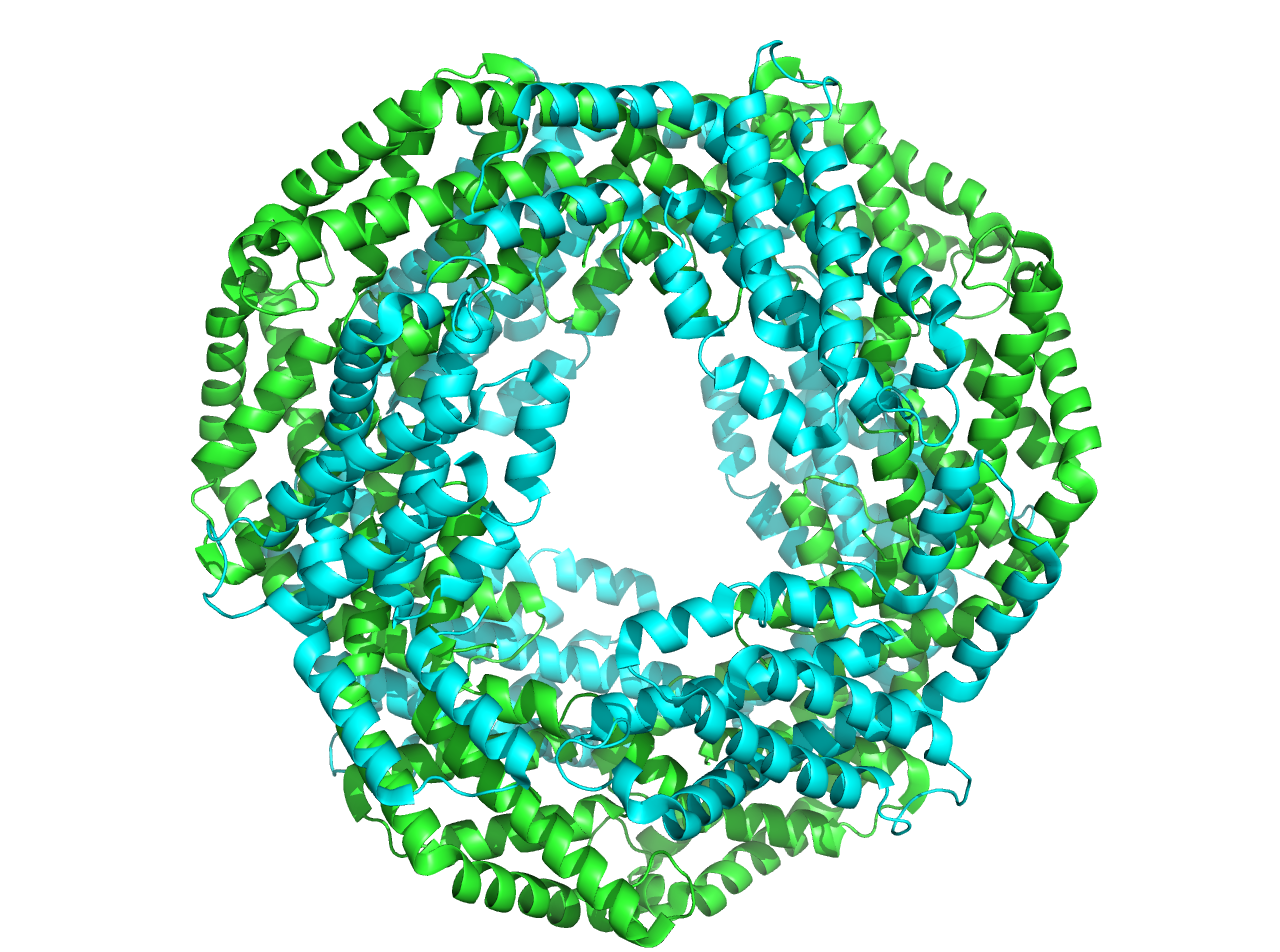
Phycocyanin and other spirulina compounds have antioxidant and anti-inflammatory activity in laboratory models. Exercise itself creates redox signals that help adaptation, so “more antioxidant” is not automatically better. The timing, dose and training context matter. A quercetin exercise guide poses the same interpretive challenge: a biomarker can move without a reliable endurance gain. Spirulina products also differ in species, growing conditions, processing and nutrient content. Results from a tested preparation cannot validate a random powder. The key distinction is between evidence that the ingredient was biologically active and evidence that it improved an athlete-centered outcome under controlled conditions.
The athlete trials do not tell one story
A controlled study in rugby players found that spirulina changed selected muscle-damage and oxidative-stress biomarkers during an intensive training period. Another randomized trial found no substantial advantage for performance or body composition. An earlier small crossover study reported longer time to fatigue and metabolic changes in recreational runners. These studies involve different athletes, exercise tests and dosing periods, so one favorable result cannot erase the null findings. A recent systematic review continues to describe heterogeneity and limited certainty. None of this proves spirulina treats overtraining, prevents injury or speeds recovery from a diagnosed condition. The evidence is exploratory, and the finished product still matters.
Contamination is the practical safety issue
Cyanobacteria products can be contaminated with microcystins, unwanted bacteria or heavy metals if production controls are poor. Buy only from a company that provides lot-specific independent testing and sport certification when competition rules matter. Do not harvest wild pond material. Spirulina can cause stomach upset, headache or allergic reactions, and people with phenylketonuria, autoimmune disease, pregnancy or regular medication use should ask a clinician before concentrated use. If the goal is soreness, compare the evidence in a tart cherry recovery guide rather than assuming every antioxidant source works alike. A clean label and contaminant testing are more important than bright color or a long nutrient panel.
How to decide without chasing markers
First define the gap. If daily protein is low, correct meals or use a clearly labeled protein supplement. If long sessions leave glycogen depleted, solve carbohydrate intake. If a healthy adult still wants to test spirulina, choose a verified single ingredient, keep the dose and timing consistent, and track a functional measure such as repeated pace, submaximal force or next-day training quality. A casein timing guide may be more relevant when nighttime protein distribution is the problem. Stop for rash, breathing symptoms, persistent nausea or unusual weakness. Spirulina can be part of a diet, but the honest sports verdict is mixed performance evidence with product-quality concerns that deserve priority.
Nutrition density does not settle the sports claim
Spirulina can contribute protein, iron and pigments, but serving sizes are usually small. Check the actual grams and nutrient amounts before treating it as a meaningful protein or iron source. Iron supplementation is especially inappropriate without confirming need because both deficiency and excess carry risks. A green powder also cannot replace vegetables, legumes, whole grains or a varied diet. Future athlete trials should verify contaminant testing, standardize phycocyanin content and measure next-session performance alongside biomarkers. For now, spirulina may fit personal food preferences, but the decision should rest on a clean product and a realistic serving—not the idea that every nutrient listed on the panel arrives in a performance-changing dose.