Tart cherry for exercise recovery: promising signals, uneven outcomes
A guide to tart cherry juice studies, recovery outcomes, product differences and cautious interpretation of new evidence.
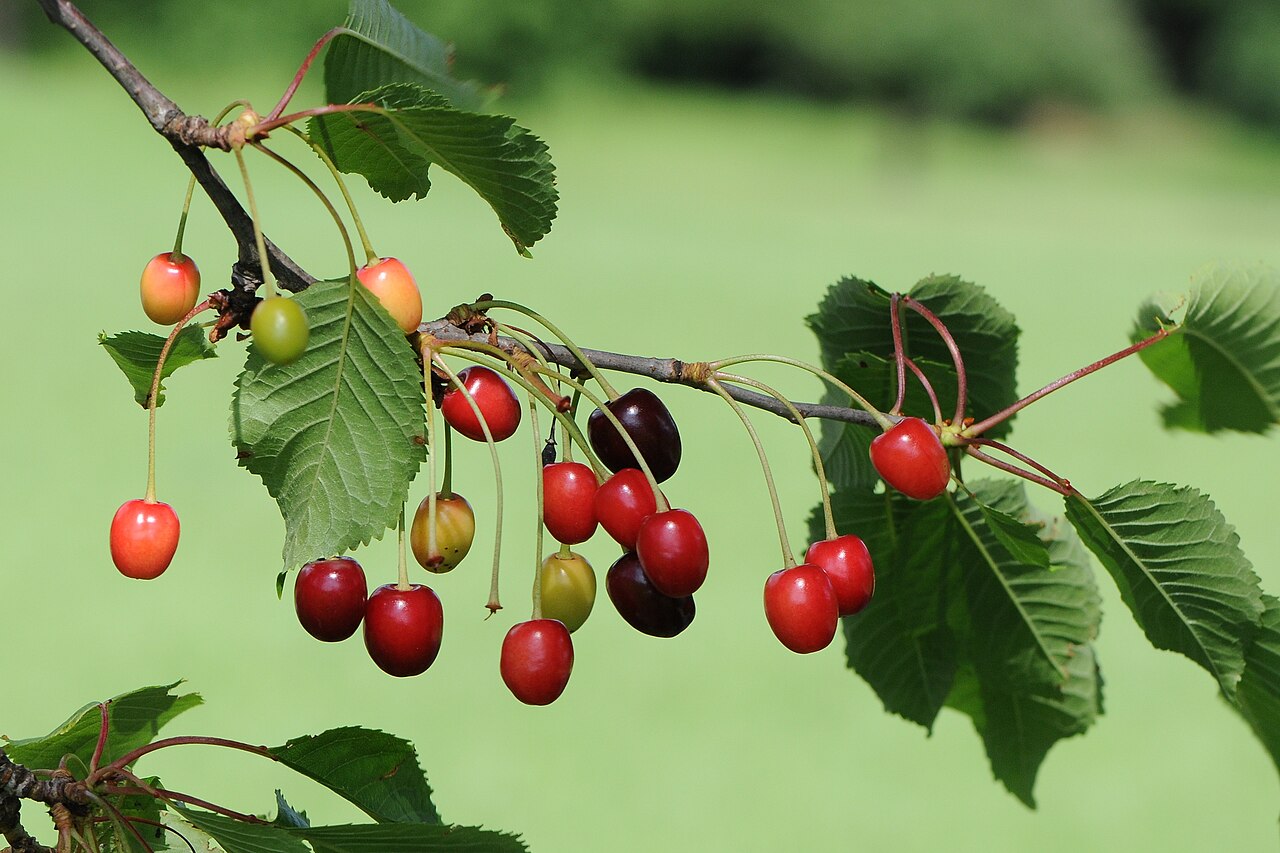
Tart cherry research shows possible benefits for selected recovery measures, but results vary by outcome, protocol and product.
Recovery is not one measurement
Tart cherry products are promoted for soreness, inflammation, strength recovery and sleep, often as if those outcomes move together. They do not. A 2026 systematic review and meta-analysis of 19 trials in trained athletes reported favorable results for maximal voluntary contraction recovery and some C-reactive protein time points, but no pooled benefit for muscle soreness, creatine kinase, several inflammatory markers or most other subgroup outcomes. Heterogeneity was substantial, and certainty ranged from very low to moderate. The practical message is neither that tart cherry works for everything nor that all findings are meaningless. It is that each recovery claim must be matched to the exact outcome measured.

Identify the tested preparation
Juice concentrate, powdered extract, whole-fruit powder and a cherry-flavored drink are not automatically equivalent. Studies describe specific preparations, schedules and amounts, while retail labels may provide only a fruit weight or proprietary blend. Compare the product’s form and composition with the intervention in the cited paper. If anthocyanin or polyphenol content is central to the proposed explanation but the label does not disclose it, the match remains uncertain. A brand can accurately say that its product contains tart cherry while still lacking evidence that the bottle reproduces a study’s preparation or biological exposure.
Check the exercise model
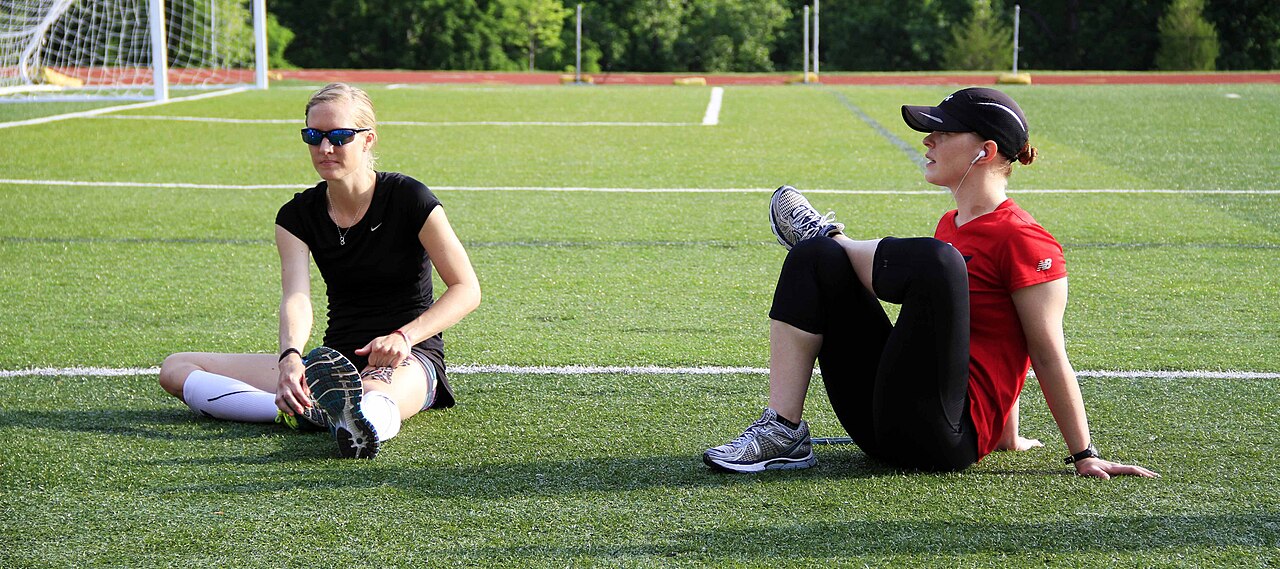
Many recovery studies deliberately create muscle damage with unfamiliar or strenuous exercise. That design makes a signal easier to observe, but it may not resemble an athlete’s repeated, familiar training. Look for training status, sport, sex distribution, exercise task and the interval between testing points. A result after eccentric exercise cannot automatically predict recovery during a normal training week. Similarly, a biomarker change does not establish that an athlete can train harder or compete better. The closer the trial resembles the reader’s actual problem, the more informative it becomes, although a single close match still does not guarantee an individual response.
Keep diet and sleep in view
A recovery supplement is studied against a background that includes total food intake, carbohydrate and protein availability, sleep and training load. If those factors are poorly controlled, they can add noise or limit interpretation. Tart cherry also contributes carbohydrate and energy in some formats, so a placebo needs to be considered carefully. Readers should not treat a concentrate as a substitute for meals, hydration or sleep. When a study reports a modest change, the question is whether it is large and consistent enough to matter beyond ordinary day-to-day variation and the major recovery behaviors already in place.
Compare claims conservatively
For a product comparison, record the preparation, serving, sugar content, additional ingredients, cost, quality checks and exact claim. Then connect that claim to a functional outcome rather than relying only on a mechanistic story about antioxidants. Competitive athletes should also assess product-testing needs. People taking medicines or managing health conditions can discuss concentrated botanical products with a clinician. Tart cherry remains an active research area with interesting signals, but the most accurate consumer summary is selective: some recovery measures may improve in some contexts, while soreness and performance outcomes are not consistently better across the evidence.
Watch timing and repeated testing
Studies may provide tart cherry before exercise, after exercise or across several days, and the timing changes the question. A short loading protocol cannot establish the effects of year-round use. Recovery measurements also fluctuate naturally, so repeated baseline testing and a credible placebo strengthen a trial. Color and flavor can make blinding difficult, especially when participants already expect tart cherry to help. Expectation does not invalidate every finding, but it belongs in the risk-of-bias discussion. Consumers can mirror the discipline of research without running an experiment: change one product at a time, keep the surrounding training and meals as consistent as practical, and judge whether a meaningful outcome repeats. Feeling different after one hard session may be real, yet it cannot show whether the supplement, the workout, sleep or ordinary variation caused the difference.
Sources & further reading
This article provides educational information. Ask a qualified clinician or pharmacist about your symptoms, medical conditions, medicines and supplement interactions.