Selenium for athletes: antioxidant biology does not prove a performance boost
A guide to selenium adequacy, athlete trials, antioxidant markers, performance evidence, food sources and toxicity.
Selenium is essential, but supplementation has not improved athletic performance in available trials and excess intake can be toxic.
Selenium is essential but tightly bounded
Selenium is incorporated into selenoproteins involved in thyroid metabolism, antioxidant defense, DNA synthesis and other normal functions. Those roles make adequate intake important, not unlimited intake beneficial. NIH reports that most people in the United States consume adequate selenium. A sports product that highlights glutathione peroxidase or oxidative stress still must demonstrate an added functional benefit in athletes who are already replete.
The athlete review found no performance gain
A systematic review of six controlled studies found that selenium supplementation changed some antioxidant markers but did not improve aerobic or anaerobic performance, testosterone, creatine kinase or training adaptations. The review also raised the possibility that supplementation could dampen some mitochondrial responses to exercise. Lower oxidative markers are not automatically better if the athlete’s actual performance and adaptation do not improve.
A training trial illustrates the difference
In a double-blind trial, selenium increased baseline glutathione-peroxidase activity during a 10-week endurance program but did not improve physical performance. Training itself improved aerobic power and antioxidant-system measures. This comparison prevents the supplement from receiving credit for changes caused by exercise. It also shows why biochemical responsiveness should not be equated with an ergogenic outcome.
Food sources can be highly variable
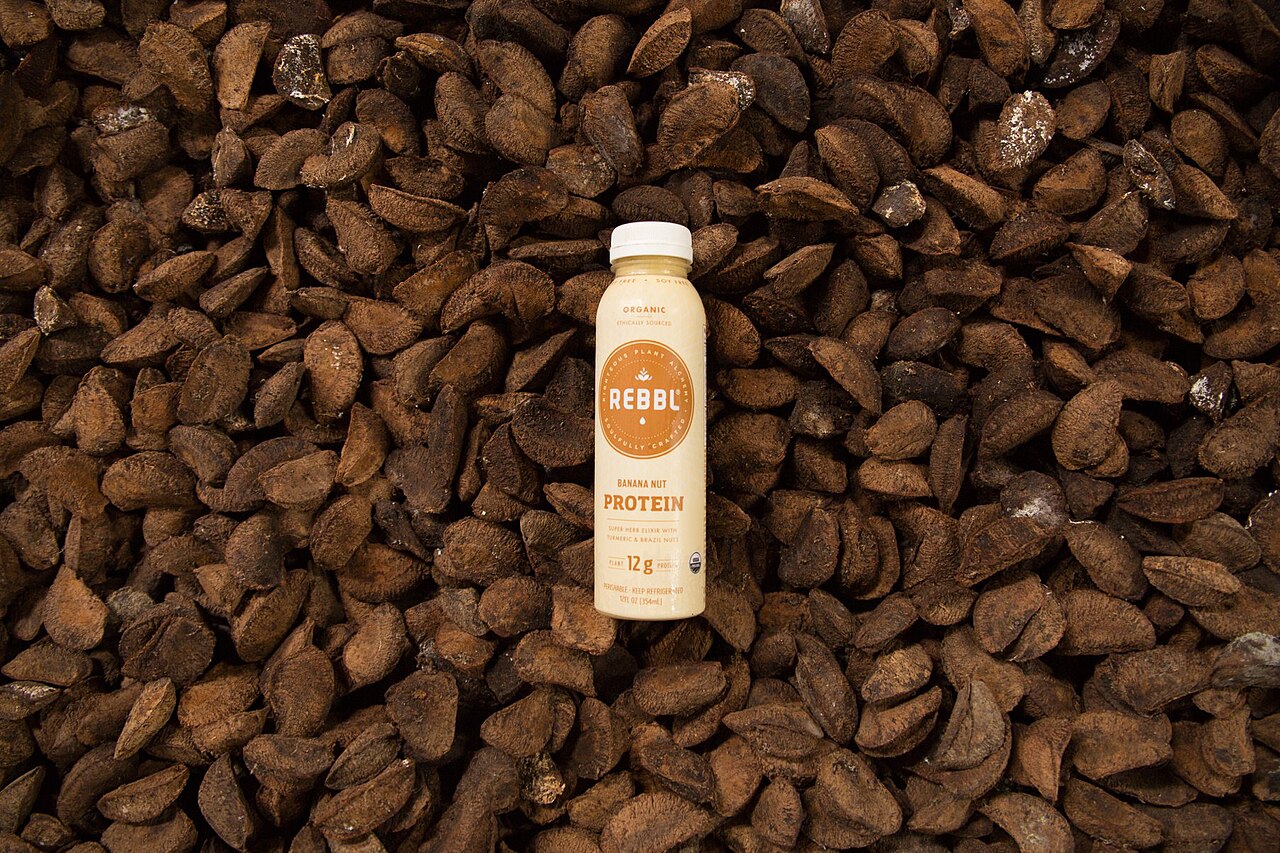
Seafood, meat, poultry, eggs, grains and dairy contribute selenium. Brazil nuts are especially concentrated, and NIH notes that one nut may contain a large and variable amount. Combining frequent Brazil nuts with a multivitamin and selenium supplement can create unexpectedly high intake. Soil and food-source variation make exact estimates difficult, but that uncertainty is a reason for caution rather than stacking multiple sources.
Toxicity has distinctive warning signs
Chronic excess can cause hair loss, brittle or lost nails, garlic-like breath, metallic taste, rash, nausea, diarrhea, fatigue, irritability and nervous-system problems. The adult tolerable upper intake level is 400 micrograms per day. Misformulated products have caused severe toxicity. A mineral sold for antioxidant support should not be treated as harmless simply because the amount is measured in micrograms.
Status assessment has limits
Blood selenium and selenoprotein measures can be affected by inflammation and recent intake, and supplementation may not raise functional markers when status is already sufficient. A tired workout or slow recovery cannot diagnose selenium deficiency. People with restrictive diets, malabsorption or regional concerns may need professional assessment, but routine high-dose use is not justified by an athlete label.
Adequacy is the correct target
The evidence supports meeting normal selenium needs through a balanced diet and targeted supplementation only when appropriate. It does not support using extra selenium to increase testosterone, endurance, strength or recovery in replete athletes. Competitive athletes should use certified products when supplementation is indicated. The strongest consumer claim is prevention of inadequacy, not optimization beyond a physiological ceiling, and the cost of excess is real.
Antioxidant stacks can quietly multiply exposure
Selenium is often included in multivitamins, thyroid-support blends, antioxidant formulas and recovery products, so athletes may take it without choosing a stand-alone selenium supplement. Add the micrograms from every label and consider concentrated foods before judging the total. Product names are unreliable guides because two formulas marketed for unrelated goals may contain the same mineral. Selenium form also varies, but different forms can still contribute to excessive total intake. The fact that one trial used a specific form does not justify stacking several forms. A pharmacist or dietitian can review the full list when intake is uncertain. This inventory is particularly important because early toxicity symptoms such as fatigue or gastrointestinal upset can be mistaken for training stress, leading someone to add more supplements rather than recognize the source.
Because the performance evidence is neutral, a supplement should have a clear nutritional indication rather than a vague promise of antioxidant optimization. Athletes with suspected deficiency need individualized assessment, not self-treatment based on training fatigue. Repeating selenium tests and interpreting them during inflammation also requires clinical context. Meeting needs is sensible; chasing higher blood values can create toxicity without improving a race, lift or recovery session.
Sources & further reading
This article provides educational information. Ask a qualified clinician or pharmacist about your symptoms, medical conditions, medicines and supplement interactions.