Guide: Blackcurrant Extract for Endurance—Anthocyanin Results Depend on the Test
Blackcurrant anthocyanins may change fat oxidation or blood flow, but cycling and running performance findings remain inconsistent.
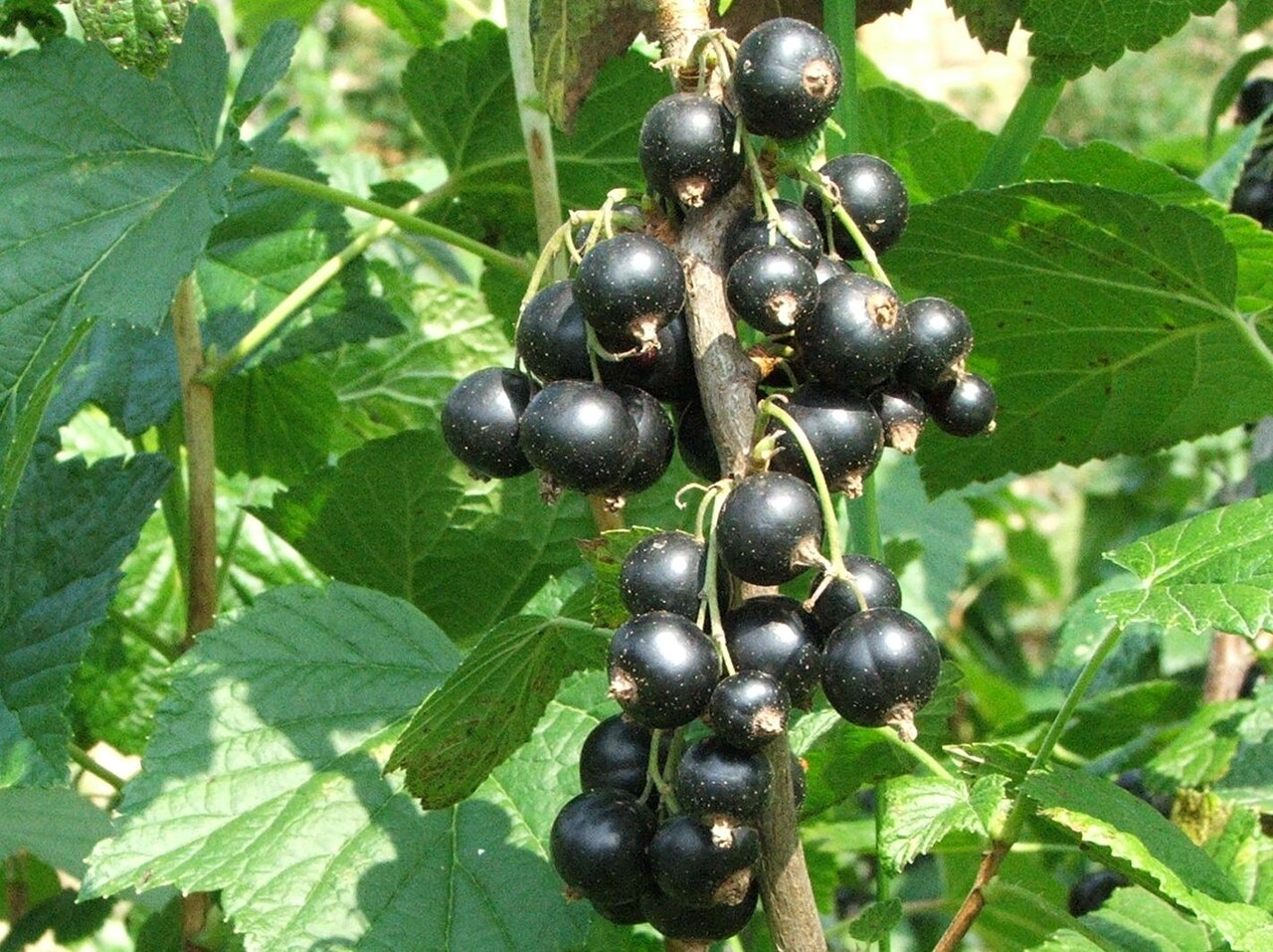
Standardized blackcurrant extracts have produced positive and null performance trials, so identify the extract, dose and event before judging the claim.
The berry story has a useful limit
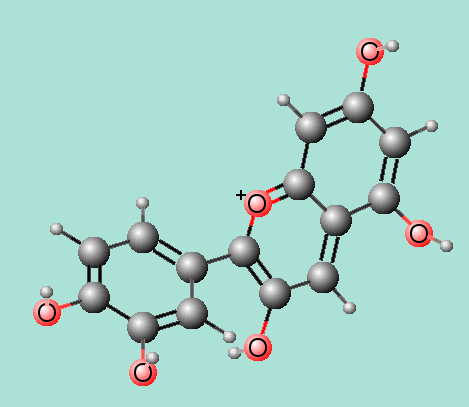
Blackcurrants are rich in anthocyanins, the colorful plant compounds behind growing interest in blood flow, metabolism and exercise. A standardized New Zealand blackcurrant extract has improved one cycling time trial and changed fat oxidation in several small studies. Other well-controlled trials have found no faster performance. That makes the ingredient more interesting than a generic antioxidant slogan, but less settled than a race-day solution. The first label question is not simply “blackcurrant?” It is how much extract, how many anthocyanins, for how long and in what kind of athlete.
One cycling trial put the idea on the map
A randomized double-blind crossover study enrolled 14 trained male cyclists. After seven days of an extract providing 105 milligrams of anthocyanins daily, participants completed a 16.1-kilometer time trial faster on average than with placebo and showed higher fat oxidation at a moderate workload. That result is encouraging, but it came from one small group using one branded standardized extract. It cannot show that fresh berries, juice, an unspecified powder or another capsule will behave the same way.
Later studies found important boundaries
A study of repeated four-kilometer cycling efforts in ten men found similar times with extract and placebo. Another trial followed 13 trained cyclists across three tests during a week and found no consistent difference in performance, lactate or substrate use between placebo and two extract doses. A newer randomized crossover study in 16 cyclists reported no meaningful improvement after either a single dose or seven days. In high-intensity running, a trial found no change in critical speed, running economy, oxygen uptake or time to exhaustion. Mixed results are the pattern, not an inconvenience to hide.
Metabolism is not the finish line
Several experiments have reported greater fat oxidation during steady exercise, including running in the heat. That may be biologically interesting without making an athlete faster. Endurance performance still depends on total energy demand, carbohydrate availability, pacing, fatigue and event duration. Burning a slightly greater share of fat at a set workload does not automatically spare enough glycogen to change a time trial. A 2026 systematic review likewise described small, variable endurance effects and low certainty for sport-performance outcomes because studies were small and protocols differed.
How to make a fair personal test
Choose a product that states its anthocyanin content and carries independent sport certification. Match the study format you care about: an acute running test does not answer a week-long cycling protocol. Keep breakfast, caffeine, training load and temperature similar, then repeat a familiar time trial more than once in each condition. Do not replace carbohydrate during long sessions with an extract because it increased fat oxidation in a lab. People taking anticoagulants, blood-pressure medicines or managing a medical condition should ask a clinician or pharmacist before concentrated use. For now, blackcurrant extract is optional and event-specific.
Food, juice and extract are different tools
Whole blackcurrants provide fiber, carbohydrate and a mixture of plant compounds. Juice changes the fiber and sugar profile, while a capsule can concentrate a standardized anthocyanin amount with little energy. Those forms may all fit a diet, but they cannot borrow one another’s trial results. Processing, storage and the cultivar can change anthocyanin content, and a label that lists only milligrams of blackcurrant powder gives no way to match a standardized extract. Timing also varies: many positive or neutral studies used several days of intake, so swallowing a capsule minutes before a race answers another question. Look for the actual anthocyanin amount, the batch certificate and third-party sport certification. Dark urine or stool color can occur with pigmented foods, but unexpected symptoms still deserve attention. Concentrated extracts may affect blood pressure or drug metabolism, and safety data are smaller than the marketing category. If you enjoy berries, keep eating them for their general nutritional value. Buy an extract only for a clearly defined experiment, not because an exercise study turned a food benefit into a guaranteed performance claim.
Sources & further reading
- New Zealand blackcurrant extract improves cycling performance and fat oxidation ↗
- No effects of New Zealand blackcurrant extract across repeated cycling tests ↗
- No acute or chronic blackcurrant effect on cycling performance ↗
- 2026 systematic review of blackcurrant supplementation and sport performance ↗