Carbohydrate mouth rinse: small effects depend on the exercise test
A guide to the latest carbohydrate mouth-rinse evidence, outcome differences, fasting context, protocols and limits.
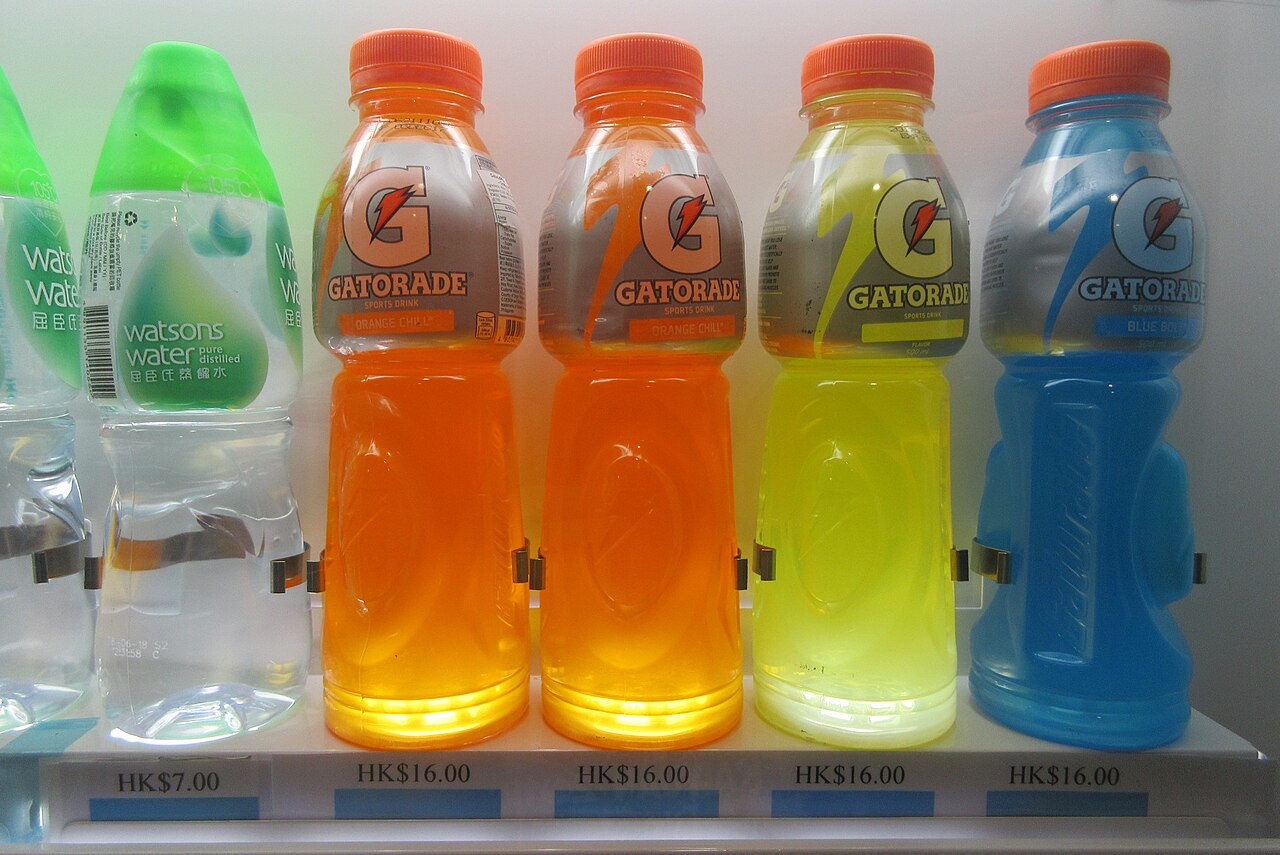
Carbohydrate mouth rinsing may produce small benefits in selected endurance outcomes, but high-intensity intermittent evidence is neutral and practical importance varies.
The newest large review finds small effects
A systematic review and meta-analysis published September 21, 2026 included 90 controlled crossover trials. Carbohydrate mouth rinsing produced small average improvements in distance, performance time, speed and workload, with no significant effect on muscular endurance, maximum power or maximal oxygen uptake. The findings were based mainly on male participants. This is a more precise conclusion than saying the method boosts performance. It suggests outcome-dependent effects whose practical value may differ between a laboratory time trial, a recreational workout and a competition decided by a very small margin.
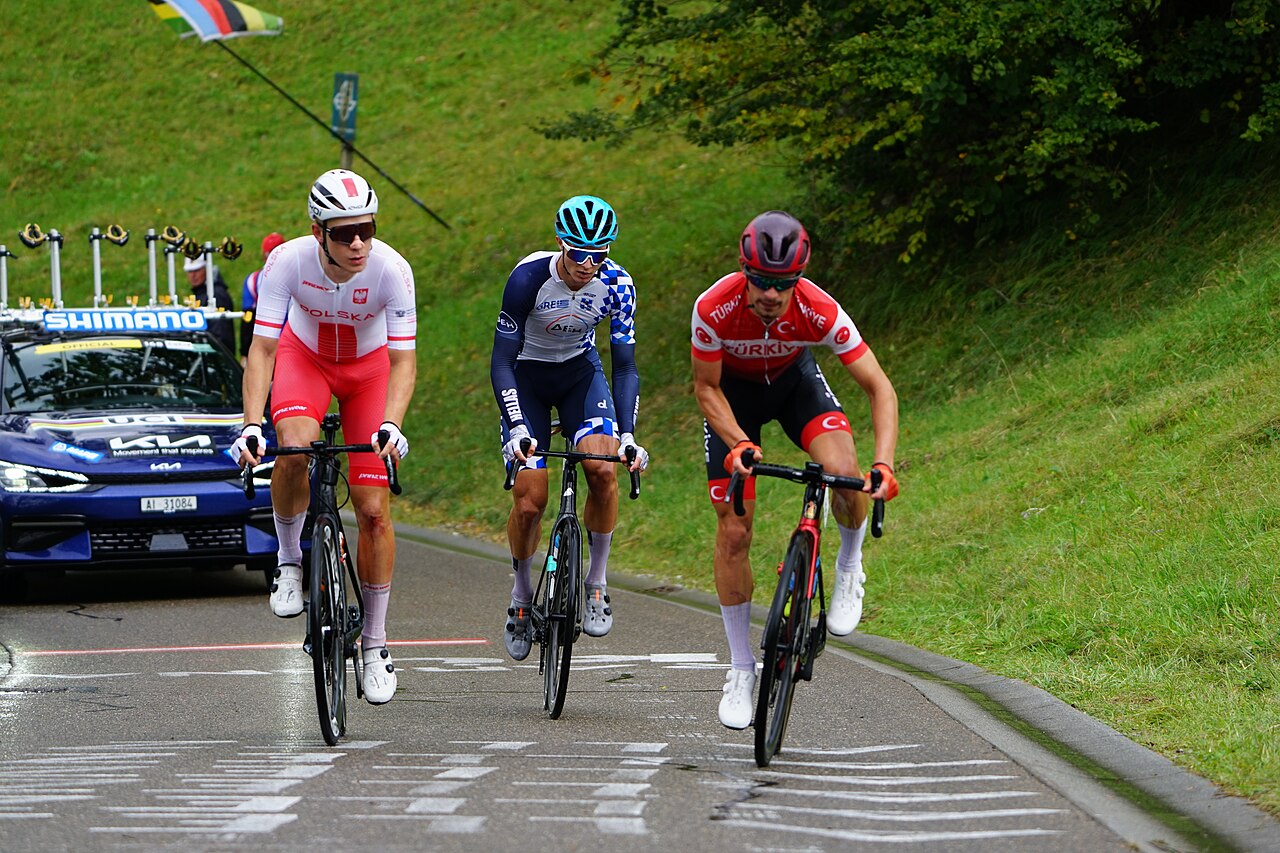
High-intensity intermittent results are different
A separate 2026 meta-analysis focused on high-intensity intermittent exercise and found no significant overall performance improvement from carbohydrate, caffeine or combined carbohydrate-caffeine rinses. Sprint time, power and total distance subgroups were also neutral. Some individual studies suggested benefits in special conditions such as low glycogen availability, but the pooled conclusion did not support routine use for this exercise category. This contrast shows why a headline about 90 trials cannot be applied to every sport. The exercise model and primary endpoint must remain attached to the result.
Rinsing is not the same as fueling
The strategy generally involves swishing a carbohydrate solution and expelling it rather than swallowing it. It is studied partly for possible oral sensing and central effects, not as a way to replace carbohydrate consumed during long exercise. A mouth rinse does not provide meaningful energy or fluid if it is not ingested. In prolonged events where carbohydrate intake improves endurance, substituting repeated rinsing for a complete fueling plan could miss the more relevant need. The method belongs to a narrow research question, especially where ingestion is undesirable or gastrointestinal tolerance is a concern.
Protocol details can change the outcome
Solution concentration, rinse duration, frequency, fasting state and exercise length vary across studies. An effect observed after an overnight fast may be less relevant to an athlete who ate a normal pre-event meal. Blinding also matters because sweetness and mouthfeel can reveal the condition, and expectation may influence effort. Consumers should not convert an average result into one universal recipe without checking the actual protocol. A commercial mouth-rinse product also needs evidence on its own formulation rather than relying on general carbohydrate studies.
Oral health and practicality deserve attention
Repeated exposure to sweet or acidic solutions may matter for dental health even when the liquid is expelled. Athletes should consider the product’s acidity, frequency of use and broader oral-hygiene plan. Spitting may be impractical or prohibited in some facilities and events, while carrying and disposing of the solution creates another logistical burden. A strategy that adds distraction or discomfort can erase a small laboratory advantage. Water, food intake, event rules and ordinary fueling remain more important planning questions.
Interpret a small average honestly
Small effects can matter in elite competition, but they are also more vulnerable to normal day-to-day variation and study bias. The relevant question is whether the method repeatedly improves a meaningful performance test for a comparable athlete without replacing necessary nutrition. The latest evidence supports a possible small benefit for selected endurance-like outcomes and a neutral conclusion for high-intensity intermittent work. That is enough for cautious experimentation in training, not enough for a promise. Record the protocol and results rather than judging the strategy from one unusually good session.
Do not turn a rinse into a hygiene product
A sports mouth-rinse protocol is not designed to treat dry mouth, prevent cavities or replace ordinary oral care. Solutions may contain carbohydrate, acids, flavors or caffeine, and repeated exposure should be considered alongside dental health and other intake. Athletes using a caffeine rinse must also count swallowed amounts or accidental ingestion and consider sport-specific rules and individual sensitivity. Spitting may be impractical or prohibited in some training spaces and team environments. These details can make a statistically favorable strategy unusable in practice. The method is most reasonably viewed as a specialized performance experiment for selected sessions, not a daily health practice or a substitute for brushing, hydration and appropriate fueling.
Sources & further reading
This article provides educational information. Ask a qualified clinician or pharmacist about your symptoms, medical conditions, medicines and supplement interactions.