Guide: Tyrosine for Exercise in the Heat—A Smart Idea That Keeps Missing the Finish Line
Tyrosine has a plausible stress-performance story, but recent trials in hot exercise show why athletes should keep expectations modest.
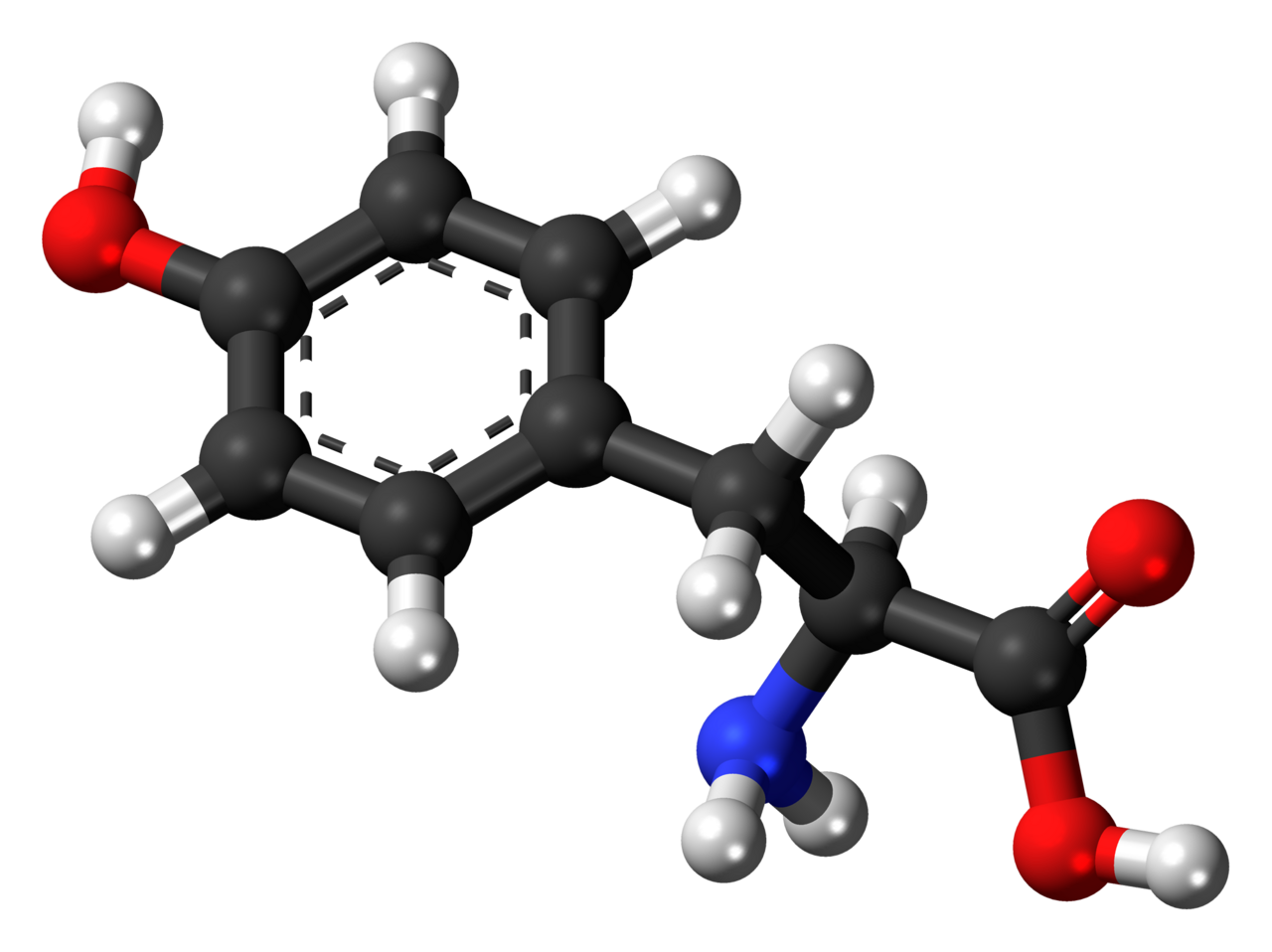
Tyrosine can raise blood tyrosine, yet controlled heat-exercise trials have not consistently improved decisions, power or finishing time.
The useful answer before your next hot session
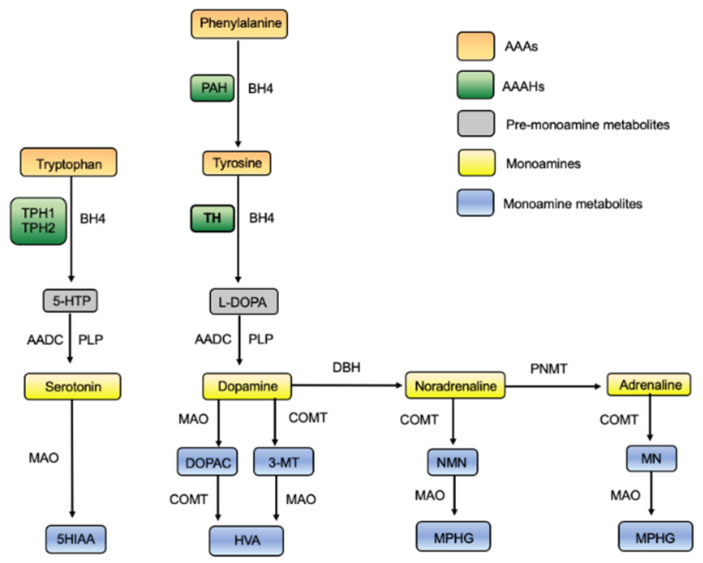
Tyrosine sounds built for hard days. The amino acid helps the body make catecholamine messengers such as dopamine and norepinephrine, which are involved in attention and the stress response. That makes a pre-workout dose appealing when heat and fatigue begin to dull focus. The practical problem is simple: raising the raw material in blood has not reliably produced a better workout. If your goal is to stay sharp late in a hot practice, tyrosine remains an experiment with uneven evidence, not a dependable substitute for heat acclimation, fluids, cooling and a sensible pace.
Why the mechanism is attractive
Researchers study tyrosine under demanding conditions because prolonged stress may increase catecholamine use. In theory, more precursor could help maintain production when the nervous system is working hard. That chain is biologically reasonable, but every link matters. Tyrosine must be absorbed, compete with other amino acids for transport into the brain and affect signaling at the right time. A higher blood concentration therefore proves exposure, not sharper decisions or faster running. Studies also use very large body-weight-based doses, so their protocols do not map neatly onto a small amount hidden in a multi-ingredient pre-workout.
What the heat trials actually found
A military-style crossover trial gave eight participants tyrosine before a loaded walk and 2.4-kilometer time trial in 40°C heat. Blood tyrosine rose, but cognitive scores, physiology and time-trial performance did not improve. A later dose-ranging study in eight recreationally trained men found that low, medium and high doses all raised the blood ratio used as a rough marker of brain availability, yet none improved cycling performance in a warm environment. A recent trial in eight trained soccer players likewise found no benefit for repeated-sprint power, soccer decisions or mental appraisal during hot intermittent exercise. These are small studies, but their direction is notably consistent.
Why one positive result does not settle it
An earlier study reported better exercise capacity in the heat, and other laboratory work has found effects on selected cognitive measures during passive heat exposure. Those findings help explain continued interest, but they do not erase later null trials. Different tasks, temperatures, training levels, meals and outcome measures can change the answer. A supplement might affect a laboratory signal without changing a real performance result. It is also easy to overread a study that measures time to exhaustion, because that test behaves differently from a fixed-distance time trial or a team-sport simulation.
A practical way to decide
Start with the tools that have clearer payoff: arrive heat-acclimated, match fluid and sodium to your sweat losses, use shade or cooling when available and rehearse the plan before competition. If an adult athlete still wants to test tyrosine, use a single-ingredient product with third-party sport certification and try it in training, not on race day. Large research doses can be hard on the stomach, and people taking thyroid medicine, levodopa or monoamine oxidase inhibitors should ask a clinician or pharmacist about interactions. Record the actual outcome you care about—pace, decision errors or late-session quality—rather than judging the supplement by stimulation or expectation.
Questions the label cannot answer for you
Check whether the serving lists free-form L-tyrosine or N-acetyl-L-tyrosine, because they are not interchangeable simply because both contain the same word. Note the amount in the full daily serving and whether a proprietary blend prevents comparison with research. Then ask whether the claim matches the task: alertness during an overnight operation, a decision drill in heat and a 10-kilometer race are different problems. Most sports studies enrolled small groups of young men, so the answer is especially uncertain for women, older athletes and people training in ordinary temperatures. Also remember that hot-session performance often falls because core temperature, cardiovascular strain and pacing become limiting, not because the brain ran out of tyrosine. A useful supplement decision therefore starts with the likely bottleneck. If a cooler start, better hydration or a slower opening pace fixes the session, tyrosine was never the main problem. Keep any personal trial blinded if possible by having someone prepare matched drinks, and repeat it enough times to separate an effect from weather and expectation.