Pickle juice for exercise cramps: a fast reflex is not electrolyte replacement
A guide to pickle-juice cramp studies, proposed nerve reflexes, hydration myths, sodium, dental concerns and prevention.
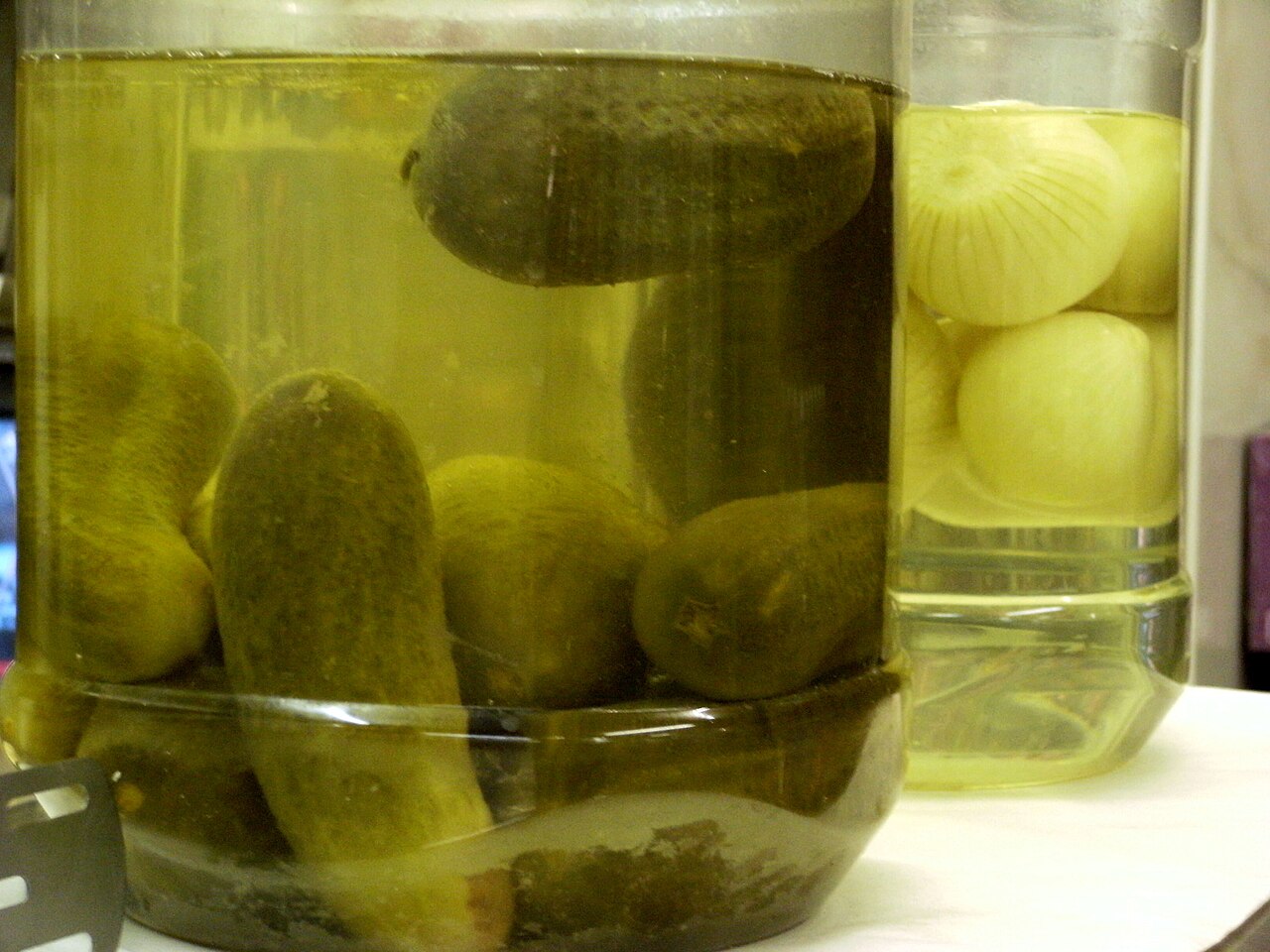
A small experiment found shorter electrically induced cramps after pickle juice, but the effect was too fast to reflect fluid or electrolyte replacement.
One small experiment drives much of the story
A controlled study induced foot-muscle cramps in hypohydrated male participants and compared a small pickle-juice serving with water. Cramp duration was about 49 seconds shorter after pickle juice. The study did not show prevention of spontaneous race cramps or better athletic performance. It tested an electrically induced cramp in a laboratory model, so the result should remain attached to that narrow setting.
The timing argues against electrolyte replacement
The cramp ended too quickly for the small drink to be absorbed and restore body sodium or fluid. Blood measurements changed little within minutes. Investigators proposed a nerve-mediated reflex beginning in the mouth or throat that reduced motor-neuron firing. This explanation is materially different from the claim that pickle juice rapidly replaces electrolytes. The observed effect, if repeatable, is not evidence that a dehydrated athlete has been rehydrated.
Exercise-associated cramps have multiple contributors
Fatigue, altered neuromuscular control, pacing, previous cramp history, heat, fluid losses and other factors may contribute to exercise-associated cramps. Not every cramp has the same cause, and a sharp muscle pain can also reflect injury. A bottle cannot diagnose the problem. Recurrent, severe or unexplained cramps deserve review of training, medicines, nutrition and medical factors rather than repeated reliance on a sour drink.
Sodium load still matters
Pickle juice can contain a large amount of sodium in a small volume. That may be inappropriate for people with high blood pressure, kidney or heart disease, or fluid restrictions. Count it alongside electrolyte powders, sports drinks and salty foods. The sodium did not explain the rapid laboratory effect, so consuming larger amounts is not logically supported. More pickle juice can increase nausea and sodium without producing a stronger reflex.
Acid and stomach tolerance affect practicality
Vinegar-based products can irritate the stomach, worsen reflux and expose teeth to acid. Swishing or repeated use during events may increase dental concerns. Commercial shots also vary in acidity, sodium, flavorings and other ingredients, so a study of one preparation cannot validate every product. An athlete who experiments should do so in training and avoid interpreting tolerability as proof of effectiveness.
Prevention is a separate question
Stopping one induced cramp does not show that drinking pickle juice before exercise prevents cramps. Prevention studies would need athletes with a relevant history, a credible placebo and real-world outcomes. Warm-up, pacing, progressive conditioning, event-specific training and an appropriate hydration plan remain more directly actionable. A systematic review of juice strategies found little evidence for ergogenic benefits from pickle juice beyond limited cramp findings.
Use precise language
The accurate consumer summary is that a small laboratory study supports a possible rapid oral reflex that shortened an electrically induced cramp. It did not demonstrate electrolyte replacement, rehydration, injury treatment or improved performance. Pickle juice may be a practical personal tool for some athletes, but claims should not exceed the model tested. Persistent cramping or associated weakness, swelling, confusion or severe pain requires medical attention rather than another serving.
Do not overlook what happens after the cramp
Ending a cramp quickly is only one outcome. The athlete still needs to decide whether it is safe to continue, whether fatigue or heat stress is developing and whether another cramp is likely. Pickle juice does not restore the large fluid deficit used in the laboratory model, and it does not replace a complete post-event hydration and nutrition plan. A cramp accompanied by confusion, collapse, severe weakness, dark urine or persistent pain raises concerns beyond a simple exercise cramp. Event medical staff should be involved when symptoms are concerning. Even when the drink seems to help, document the conditions, pace, training load and prior cramp history. Prevention depends on understanding the pattern, not assuming a portable shot has corrected the underlying cause.
The study also does not establish which acidic or sensory component is responsible, so one commercial shot cannot claim superiority without direct testing.
Sources & further reading
This article provides educational information. Ask a qualified clinician or pharmacist about your symptoms, medical conditions, medicines and supplement interactions.