Guide: Peppermint Oil for Running Performance—One Bright Trial, One Clear Reality Check
Peppermint oil has produced a positive endurance signal in one trial, but other controlled research found no aerobic improvement.
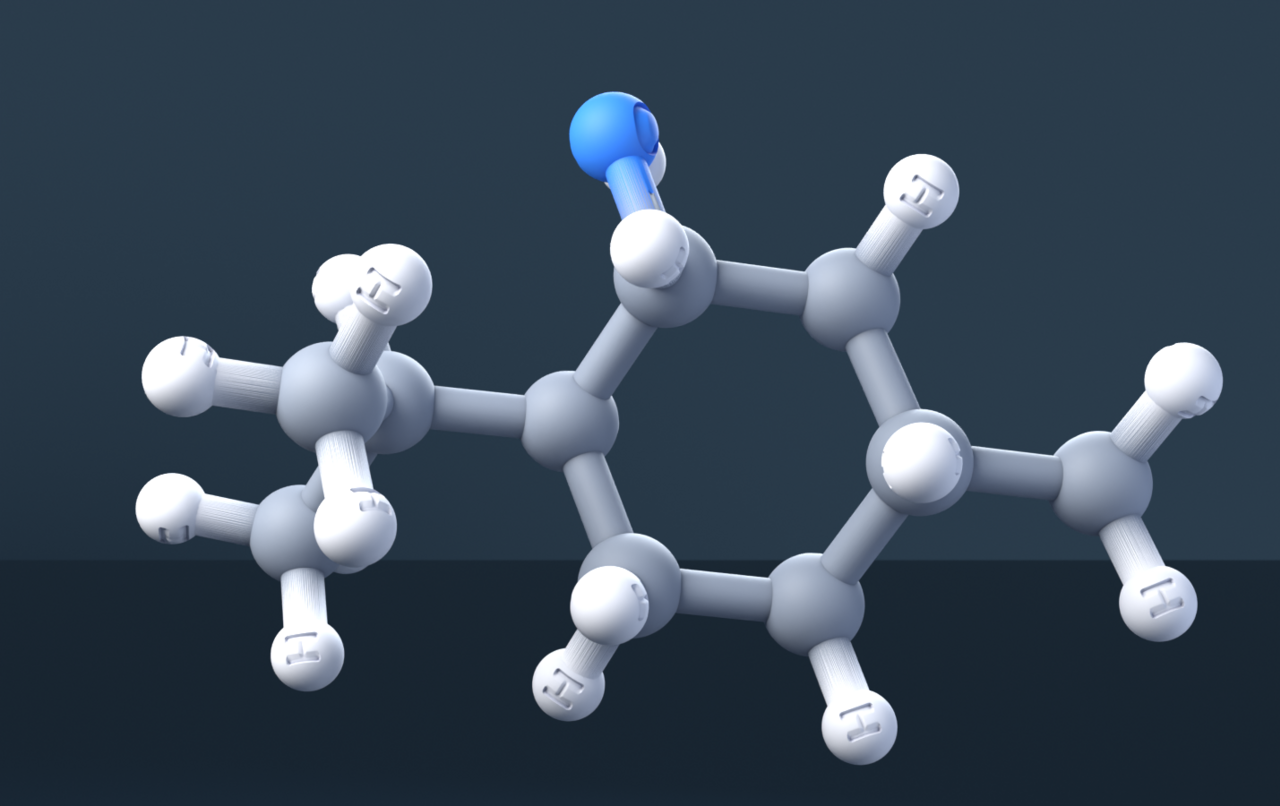
Peppermint may change how breathing or effort feels, but two small controlled studies point in different directions and do not prove a reliable running benefit.
Fresh sensation, uncertain finish
Peppermint can make the mouth and airways feel cool, which is why a capsule or drink may seem like a natural running aid. Sensation is not the same as airflow, oxygen delivery or speed. One recent controlled study found a longer running time to exhaustion after peppermint oil, while an earlier trial found no improvement in aerobic measures after repeated use. That leaves a narrow evidence base with no secure race-day answer. An MCT oil endurance guide offers another example of an appealing mechanism that does not reliably translate into faster performance. Peppermint is best viewed as a flavor or a carefully tested optional aid, not an alternative to fuel and training. The MCT oil endurance evidence offers another caution against equating an appealing sensation or fuel story with speed.
Why breathing can feel easier without changing capacity
Menthol-sensitive receptors create a cooling sensation even when tissue temperature and airway size have not changed. That can alter the subjective experience of breathing or effort. It does not prove that maximal oxygen uptake rose. Similar gaps appear in a rhodiola endurance evidence guide: a plausible fatigue pathway still needs a controlled performance result. Peppermint products also differ. Essential oil swallowed in a capsule is not equivalent to tea, candy, aroma or a mouth rinse. The dose reaching the digestive tract and nervous system changes with the format, so studies cannot be transferred casually from one product to another. The arginine pre-workout guide likewise separates vascular theory from a reliable result.

Two controlled studies point different ways
A 2023 randomized crossover study reported that peppermint oil improved treadmill time to exhaustion in recreationally active adults and changed selected respiratory measures. An earlier ten-day trial found no improvement in maximal oxygen consumption or several other performance measures. Both are small, and a time-to-exhaustion test can be more variable than a fixed-distance time trial. Neither study establishes a benefit for trained runners, women and men across ages, or actual race performance. A positive result deserves replication with larger samples, preregistered outcomes and a standardized oil. Until then, “may help in one protocol” is more accurate than “boosts endurance.”
Essential oil safety deserves precision
Concentrated peppermint oil can cause reflux, heartburn, nausea, abdominal pain or allergic reactions. Enteric coatings change release but do not guarantee comfort. Never swallow an essential oil unless the product is specifically formulated and labeled for oral use; household aromatherapy oil is not a sports supplement. Peppermint may interact with medicines and can worsen reflux. A caffeine performance tradeoff guide is useful if a mint product also contains caffeine, because the stimulant may drive the experience. Pregnancy, gallbladder disease, significant gastrointestinal problems and regular medication use are reasons to consult a clinician or pharmacist before concentrated oral use. Our rhodiola endurance guide shows why product standardization matters for botanicals.
Build a runner-friendly test
If a healthy adult runner chooses to experiment, use one orally intended, independently tested product and follow its serving directions. Trial it during an ordinary session, not a key long run or race. Keep the route, weather, meal and caffeine similar, then compare several fixed-distance or fixed-pace sessions. Record reflux and stomach comfort along with performance; a fresher mouth is not a faster result. When sweat loss is the real limiter, use an electrolyte guide for long workouts to plan sodium and fluid. Stop for persistent burning, severe abdominal symptoms, rash or breathing difficulty. The evidence remains too thin to make peppermint oil a core running recommendation. For a different sensory strategy, review the carbohydrate mouth-rinse evidence.
Do not confuse sensation with oxygen delivery
A cooling feeling in the mouth or a sense of clearer breathing can be pleasant during exercise, and that alone may make a product attractive. It is still not evidence that more oxygen reached working muscle. Future trials should compare oral oil, aroma and mouth-rinse formats separately, use fixed-distance performance tests and report reflux and blinding success. That last point matters because a distinctive mint sensation can reveal the active condition and influence effort. Until those controls are stronger, runners should label peppermint as an uncertain sensory aid. Enjoyment has value, but it should not be sold as a proven change in aerobic capacity or race speed.