Guide: DHEA for Sports Performance—No Proven Gain and a Clear Anti-Doping Problem
DHEA raises hormone-related interest, but trials do not show better strength or body composition and tested athletes face a ban.
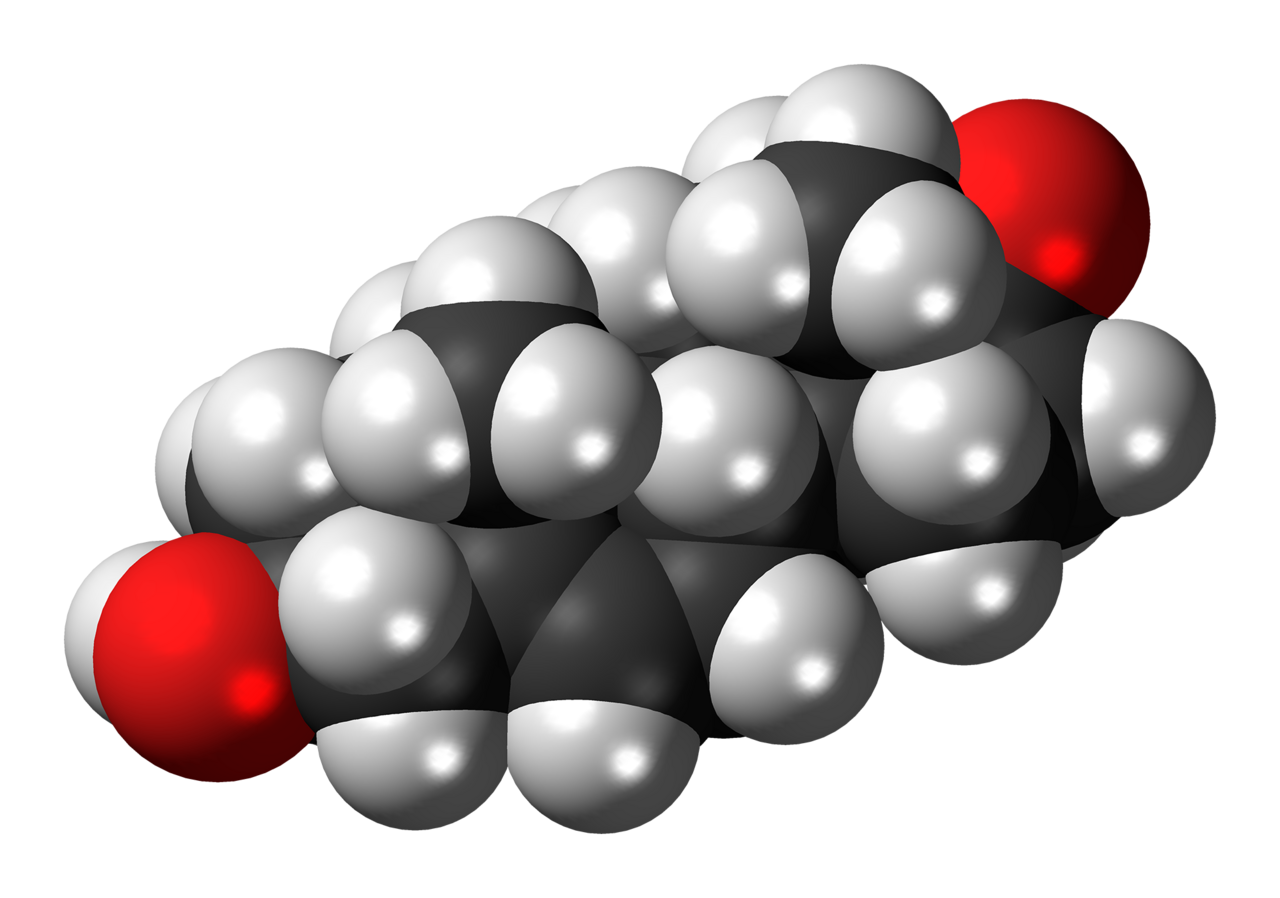
DHEA has not improved strength, lean mass or training adaptations in controlled trials, and the 2026 WADA list prohibits it at all times.
The fastest decision in this guide
For a tested athlete, DHEA is an easy no. The 2026 World Anti-Doping Agency Prohibited List places DHEA and related metabolites in the anabolic-agent section, prohibited in and out of competition. That matters even before efficacy: a supplement label on a store shelf does not make the ingredient sport-legal. For everyone else, the performance case is still weak. DHEA is a steroid-hormone precursor made mainly by the adrenal glands, but adding a precursor does not force the body to build more useful testosterone, muscle or strength.
Hormone movement is not a training result
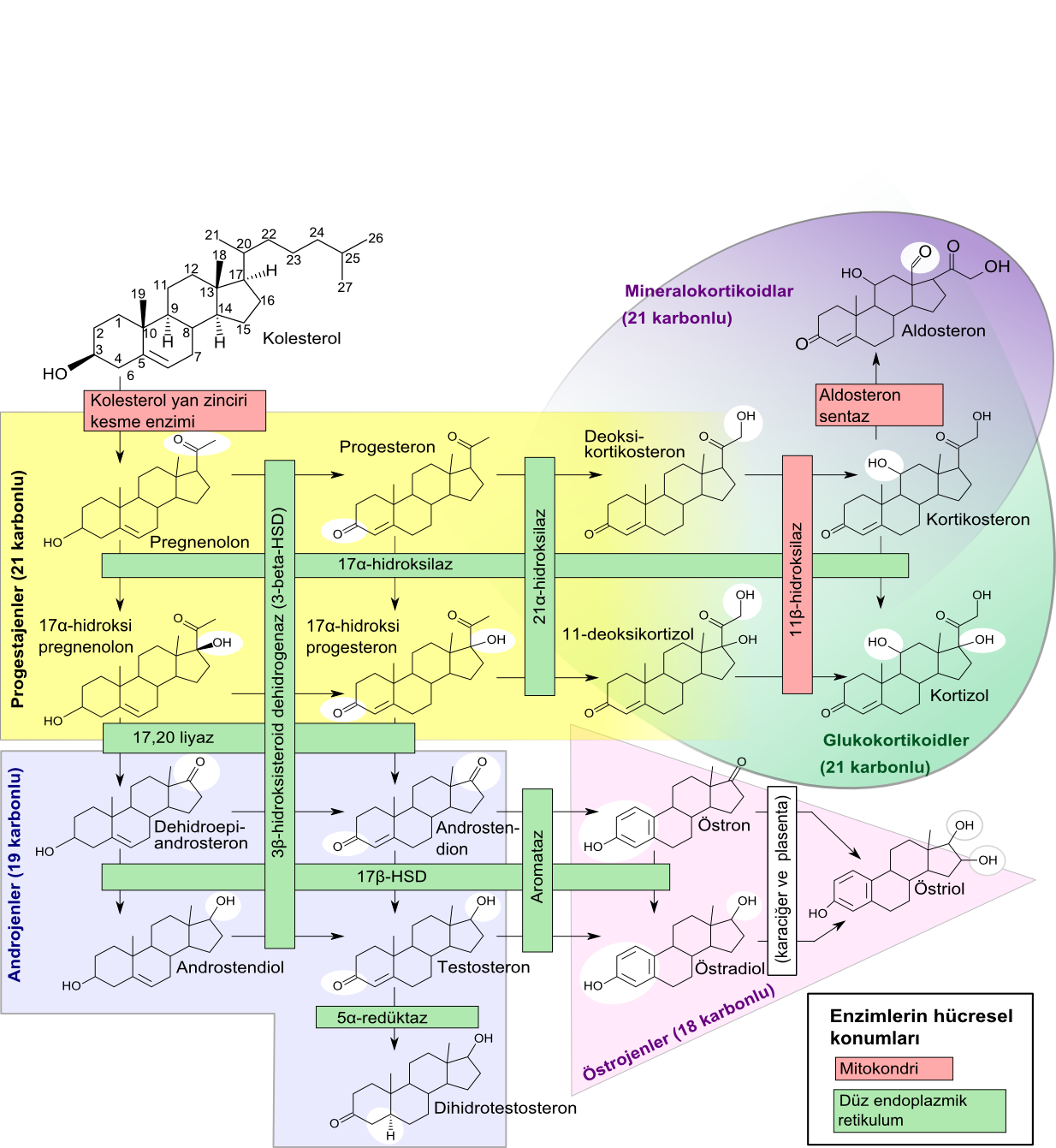
DHEA can change DHEA sulfate, androstenedione or other hormone measurements depending on age, sex and dose. Marketers often present any hormone shift as proof of an anabolic effect. Controlled studies must instead ask whether strength, lean mass, body composition or sport performance improves beyond training and placebo. Those are harder outcomes. Hormone systems also use feedback loops, so the same dose can produce different responses across people. A short-term blood change should never be translated into guaranteed muscle gain, and it may carry effects that a sports label does not explain.
Resistance-training trials missed the promise
In 40 trained middle-aged men, 12 weeks of 100 milligrams per day of DHEA did not significantly improve lean body mass, strength or testosterone compared with placebo. A separate study in young men found that 150 milligrams per day during an eight-week resistance program raised androstenedione but did not enhance testosterone, strength or lean-mass gains. Twenty young male soccer players taking 100 milligrams daily for four weeks had higher hormone measures but no body-composition benefit. A study in recreationally trained women also found no improvement in supramaximal running performance despite marked hormone changes.
Safety and product quality deserve more weight
Short trials are not large enough to define long-term safety. DHEA can cause acne, oily skin and androgenic effects; it may affect mood, lipids and hormone-sensitive conditions and interact with medicines. Because it is hormonally active, use during pregnancy or breastfeeding is inappropriate without specialist direction. Supplement contamination and labeling errors create an additional risk for tested athletes, but a correctly labeled DHEA product is already prohibited. A “natural hormone” description does not make the substance a routine nutrient or remove the need for medical judgment.
Put the goal back into the plan
If the goal is more strength or muscle, use progressive resistance training, adequate energy, enough protein and creatine monohydrate when appropriate. If the goal is fatigue, low libido or a suspected hormone problem, do not self-treat the symptom with DHEA; a clinician can assess sleep, energy intake, medicines, illness and properly timed laboratory tests. Competitive athletes should check every product with a qualified anti-doping resource and favor certified supplements when any are used. DHEA offers no demonstrated sports upside that balances its regulatory and biological complications.
Anti-doping details are stricter than intent
A positive test does not require an athlete to have intended to cheat. Under strict-liability rules, the athlete is responsible for prohibited substances found in the sample. DHEA can also appear under names such as prasterone, and related compounds may be marketed with “prohormone,” “anti-aging” or “hormone support” language. The 2026 list includes several DHEA metabolites as examples, so checking only the front label is not enough. A therapeutic-use exemption is a formal medical process, not something created by a supplement recommendation. Tested athletes should use their anti-doping organization’s current database and speak with qualified medical staff before any hormone-related product. Third-party certification reduces contamination risk but cannot make an intentionally prohibited ingredient permissible. Recreational athletes still have reasons for caution: a hormonally active product can complicate laboratory interpretation and mask the reason symptoms began. If a clinician orders DHEA-S or testosterone testing, disclose every supplement and the timing of the last dose. The safest performance plan is also the clearest one—use interventions whose legal status, ingredients and expected benefit you can explain without asterisks.