Guide: Green Tea Extract for Exercise Fat Oxidation—A Metabolic Signal, Not a Shortcut
Green tea catechins may change fat oxidation in some settings, but trials do not show a dependable shortcut to better exercise or fat loss.
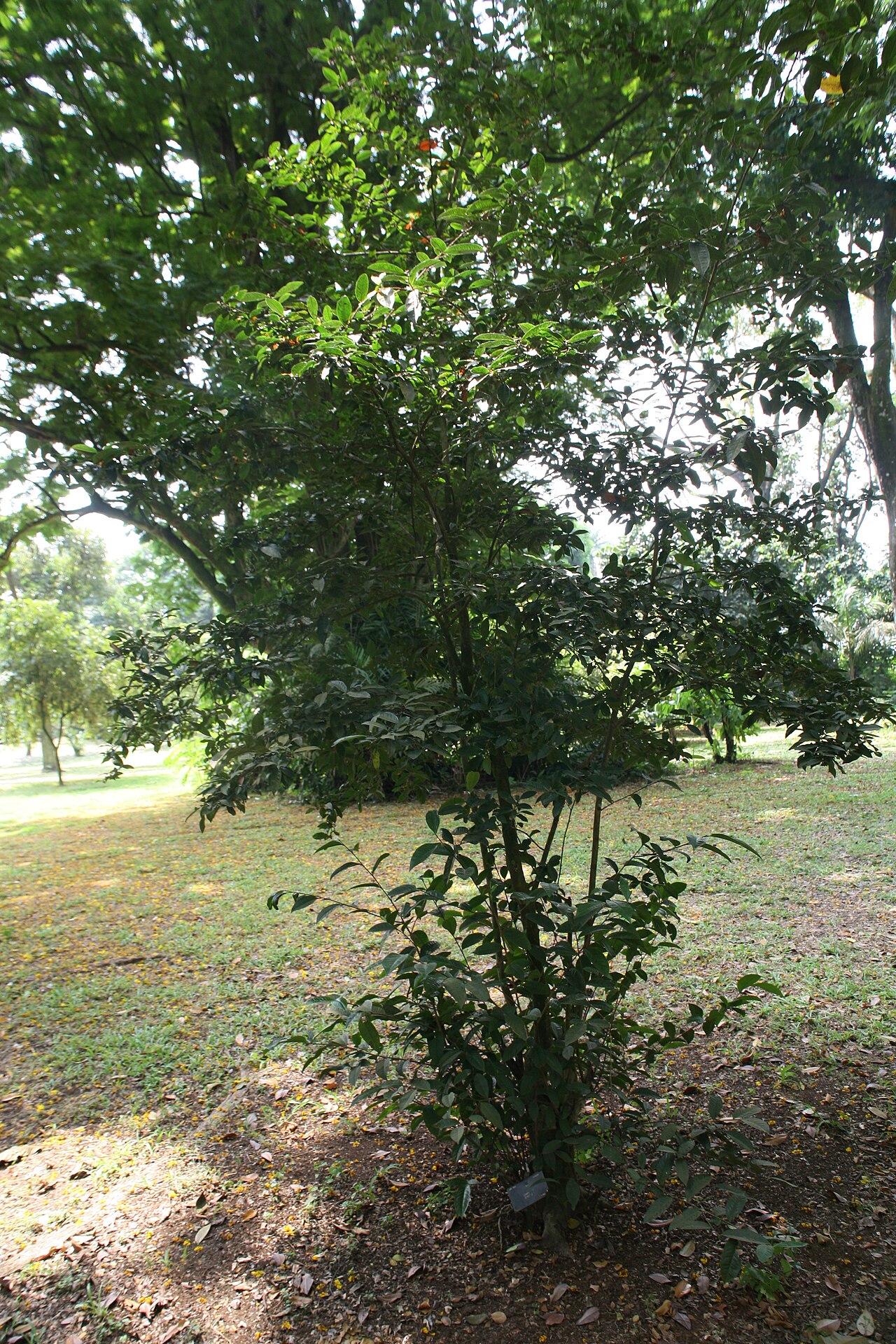
Green tea extract can affect metabolism, yet fat-oxidation changes are inconsistent and do not prove better performance or meaningful fat loss.
What the headline leaves out
“Burn more fat during exercise” sounds like a direct route to a leaner body and longer endurance. It is neither. Fat oxidation is the amount of fat used for energy during a test; it does not reveal total daily energy balance, future appetite or race performance. Small trials of green tea catechins, especially EGCG, have reported both changes and no changes. The practical hierarchy stays familiar: a sustainable energy intake, progressive training and enough protein matter far more. An L-carnitine fat-burning guide shows the same gap between a metabolic pathway and a dependable result, while concentrated green tea extract remains an optional ingredient with uncertain performance value and a safety profile that deserves more care than a cup of tea. The same metabolism-versus-performance distinction appears in our L-carnitine endurance evidence.
Catechins, caffeine and the exercise question
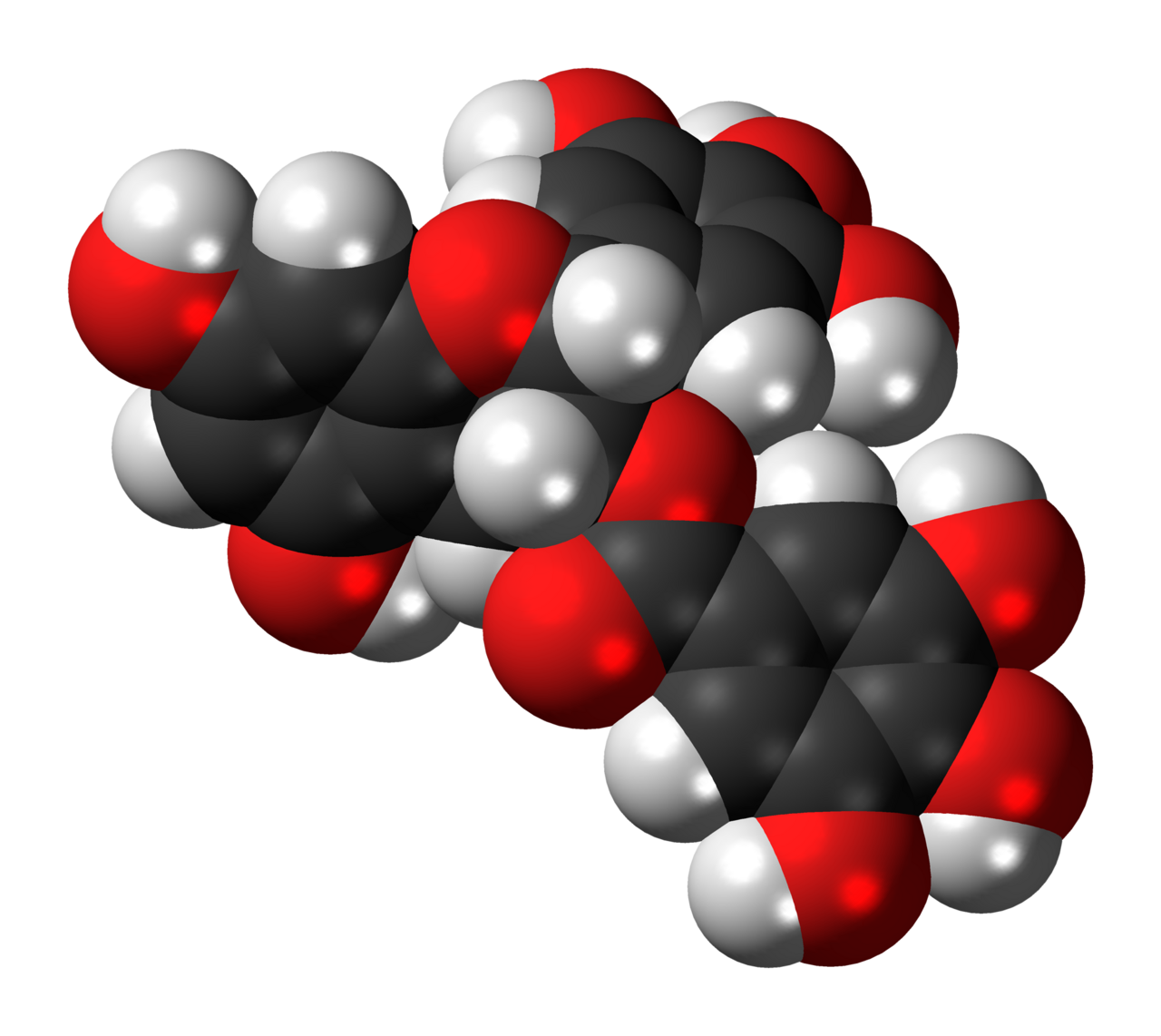
Green tea naturally supplies catechins and caffeine. Extracts may concentrate one or both, and products vary sharply. Catechins can influence enzymes involved in catecholamine metabolism, while caffeine has a separate, better-established stimulant effect. If a study or product combines them, the result cannot be credited to EGCG alone. That is why a caffeine pre-workout evidence review is a useful companion when reading a label. Even when respiratory measurements suggest greater fat use at a steady workload, the body may compensate later. A short laboratory window cannot demonstrate sustained body-fat loss, and an increased percentage of fat used does not prove that total energy expenditure rose. For another pathway-first example, compare the CoQ10 exercise evidence.
What controlled trials actually show
A randomized cycling study found that several weeks of EGCG did not improve performance, although selected metabolic measures changed. Another controlled trial found no increase in fat oxidation after either one day or seven days of green tea extract. Recent evidence syntheses describe small, variable effects that depend on dose, caffeine exposure, training status and test conditions. These are legitimate research signals, not a dependable sports outcome. Athletes should also notice what the trials do not establish: they do not prove that taking more extract produces more benefit, that resting fat loss follows an exercise measurement, or that a finished multi-ingredient burner matches the tested formulation.
Concentrated extract is not brewed tea
Ordinary green tea and concentrated extract create different exposures. The FDA and liver-injury resources have documented rare but potentially serious liver injury associated with concentrated green tea extracts, often in weight-loss products. Risk cannot be predicted perfectly, and fasting may increase exposure. Check the EGCG amount, caffeine amount and full ingredient list; avoid hidden blends. Skip concentrated use with liver disease, pregnancy or medicines that may affect the liver unless a clinician approves it. Stop and seek medical care for dark urine, yellowing skin, severe fatigue, persistent nausea or upper-right abdominal pain. An electrolyte powder guide may be more relevant when the real problem is sweat replacement, not metabolism. The Cordyceps performance guide also shows why extract identity and safety details matter.
How to keep the experiment honest
If a healthy adult chooses to test an extract, use an independently certified single-ingredient product, take it with food as directed and avoid stacking it with other stimulant or weight-loss products. Keep calories, caffeine and training stable, then assess an outcome that matters: a repeated time trial, pace or training quality. Do not use sweat, appetite suppression or a jittery feeling as proof of fat loss. For long sessions, a carbohydrate fueling guide remains more useful than trying to force a higher fat-burning percentage. A meaningful body-composition plan is measured over weeks with consistent methods. Green tea can be an enjoyable beverage; its concentrated extract should not be treated as a harmless shortcut. Keep any stimulant effect separate by reviewing the caffeine performance tradeoffs.
What a better study would prove
The most useful future trial would separate catechins from caffeine, verify the extract, control habitual caffeine use and measure both performance and safety over a meaningful period. It would also distinguish a temporary change in respiratory exchange from actual body-composition change. Until then, claims should stay close to the tested outcome. A product that raises fat oxidation during one laboratory ride has not demonstrated long-term fat loss, and a lower scale weight does not prove preserved performance or muscle. If weight change is the goal, monitor intake, training quality and strength together so that an aggressive supplement plan does not quietly reduce the work that drives adaptation.