Guide: Alpha-GPC for Strength and Power—Promising Signals, Very Small Studies
Alpha-GPC may influence choline and neuromuscular signaling, but the human strength and jump evidence is too small for big claims.
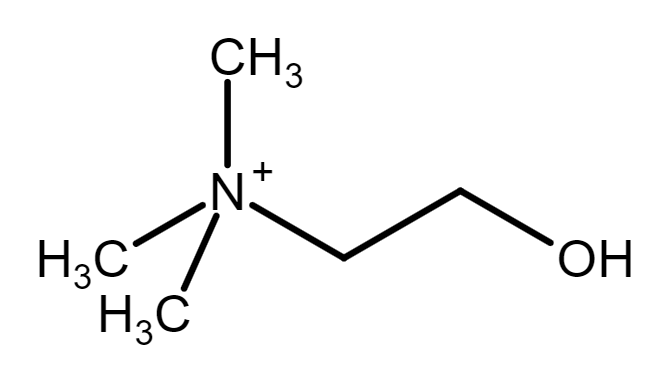
Alpha-GPC has produced a few interesting force and jump findings, but small samples and mixed outcomes make it an emerging option, not a proven power aid.
What an athlete can reasonably expect
Alpha-GPC sits in the tempting middle ground between nutrient and performance supplement. It supplies choline, which the body uses to make acetylcholine, a messenger that helps nerves communicate with muscle. Small trials have reported changes in lower-body force or jump variables. That is enough to justify curiosity, but not enough to promise a stronger lift, a higher jump or a better game. The most useful reading is that alpha-GPC is still an early-stage sports ingredient. It may be worth watching, while training quality, carbohydrate availability, sleep and well-supported aids remain higher priorities.
A pathway is not a podium result
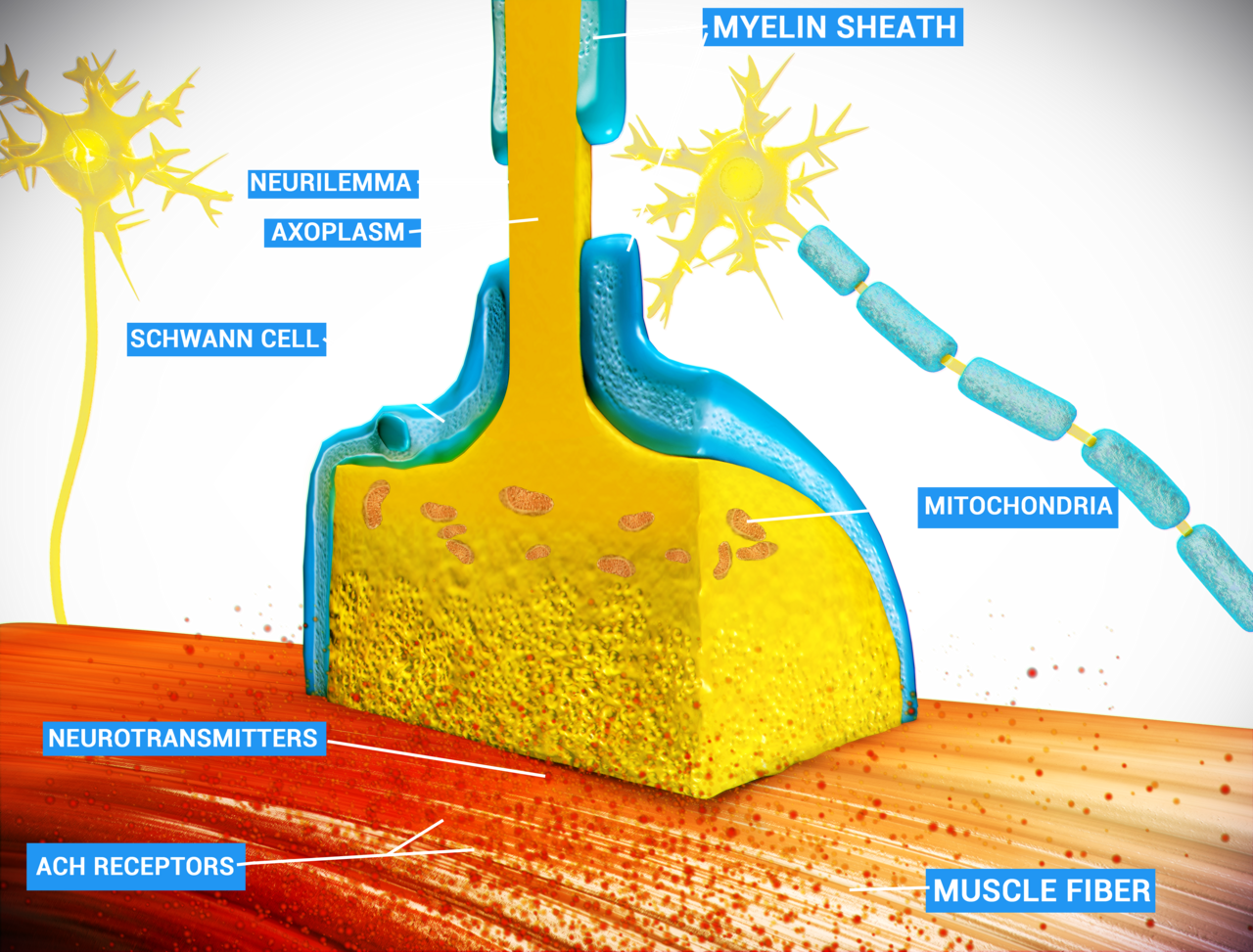
Acetylcholine is essential at the neuromuscular junction, where a motor nerve tells muscle fibers to contract. Alpha-GPC can raise circulating choline, so marketers often jump directly from that fact to explosive performance. The body is not that simple. More circulating choline does not show that the nerve signal was limiting, that the extra supply reached the relevant tissue, or that a change in one laboratory movement will carry into sport. Alpha-GPC is also used in cognitive research, but attention, reaction time, maximal force and repeated sprint ability are separate outcomes that should not be bundled into one claim.
What the controlled trials show
In a double-blind crossover trial, 13 college-aged men took 600 milligrams daily for six days. The alpha-GPC phase produced a greater change in isometric mid-thigh pull peak force than placebo, while the upper-body result was not statistically significant. Another study assigned 48 young men to 250 or 500 milligrams of alpha-GPC, caffeine or placebo for seven days. The lower alpha-GPC dose led the group comparison for maximum jump velocity and power, but the groups did not differ for isometric strength, upper-body strength or psychomotor vigilance. Interesting findings, yes; a broad performance verdict, no.
The study design limits matter
Both trials were short, and one enrolled only 13 participants. With small samples, one unusual response can move an average, and multiple outcomes increase the chance that one favorable result gets the headline. The tests also measured isolated force or countermovement-jump variables rather than competition performance. Neither study establishes a long-term training benefit, an ideal dose or whether trained women and older athletes respond similarly. One trial also noted a change in thyroid-stimulating hormone at the higher dose, a reminder that a biochemical effect can be important even when the performance meaning is unclear.
How to test it without fooling yourself
If you are an adult strength or power athlete who still wants to try alpha-GPC, keep the experiment simple. Choose a single-ingredient, third-party-certified product, hold caffeine and the rest of your pre-workout routine steady, and repeat the same performance test on several matched days. A one-day personal best is not proof. Stop if you develop headache, dizziness, stomach upset or another new symptom, and discuss use with a clinician if you take medicines that affect acetylcholine or thyroid function. Until larger independent trials arrive, alpha-GPC belongs in the optional column, not the foundation of a power plan.
What would make the evidence convincing
A stronger case would need larger preregistered trials that name one primary outcome, use athletes with meaningful training experience and report adverse effects as carefully as performance. Researchers would also need to show that a change repeats across several days and matters outside the force plate. For a sprinter, that could mean faster repeated sprints; for a lifter, more completed work or better long-term strength gains. Trials should compare doses, include women and disclose funding and product testing. Until then, avoid combining alpha-GPC with several new ingredients at once. If performance changes, you will not know what caused it, and side effects become harder to trace. Examine the label for the amount of alpha-GPC itself rather than the weight of a larger branded complex. Finally, remember that choline is an essential nutrient found in foods and can also come from other supplements. More is not automatically better, and a high total intake may cause a fishy body odor, sweating, low blood pressure or digestive symptoms. Optional should still mean measured and reversible.