Guide: Sodium Phosphate Loading for Endurance—More Phosphate, Not Consistently More Speed
Sodium phosphate loading may affect exercise chemistry, but recent cycling trials found no reliable benefit for time trials or hypoxic capacity.
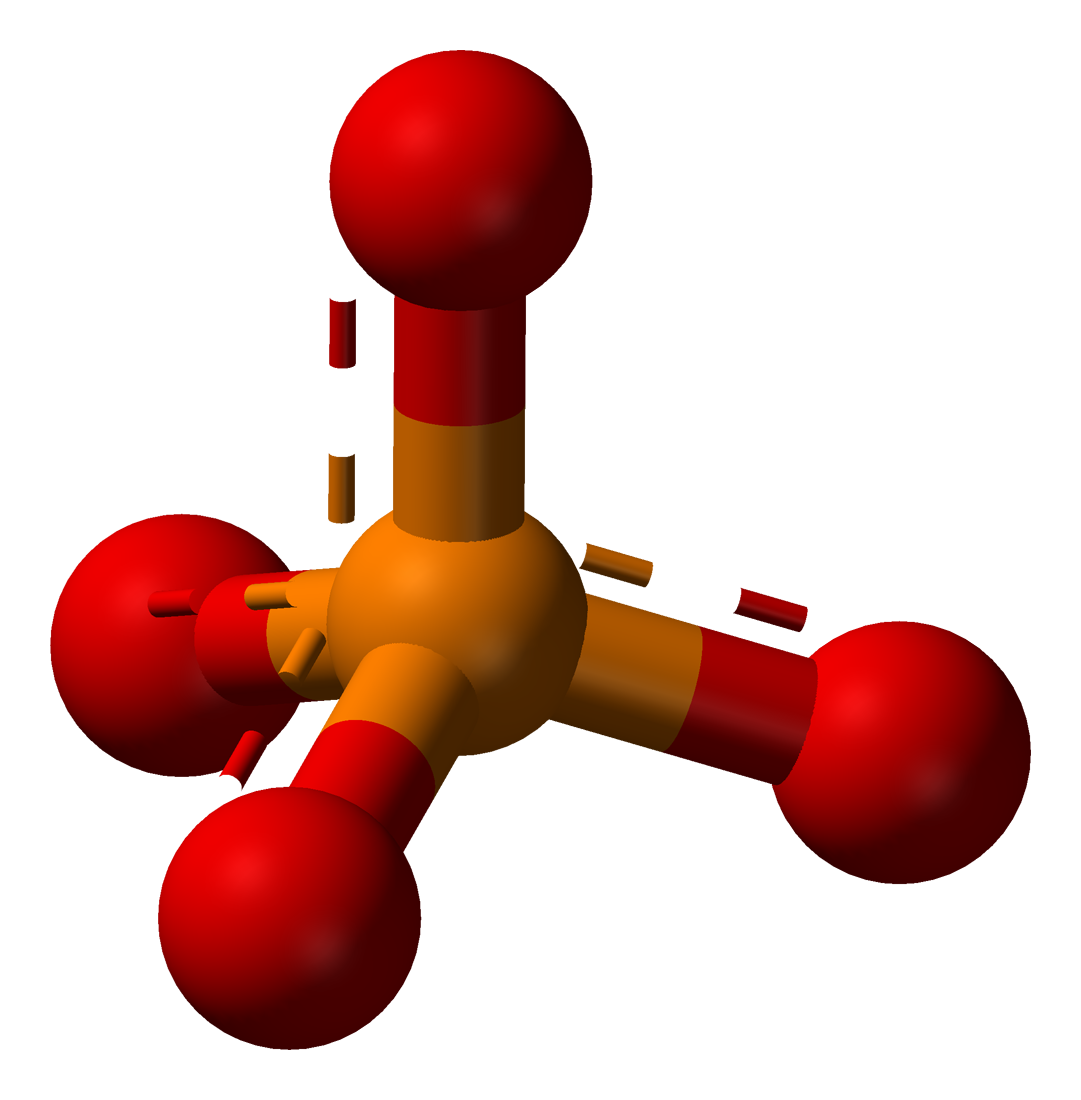
Recent controlled cycling studies found that sodium phosphate loading changed blood phosphate without reliably improving aerobic capacity or time-trial performance.
What the loading strategy promises
Phosphate is involved in ATP, acid-base balance, red-cell chemistry and the molecule 2,3-DPG, which helps regulate how hemoglobin releases oxygen. That gives sodium phosphate loading several plausible routes to better endurance. Athletes usually encounter short protocols lasting four to six days, not ordinary dietary phosphorus. The practical catch is that modern controlled studies have struggled to turn those mechanisms into faster cycling. Form matters too: different sodium phosphate salts deliver different amounts of phosphate and sodium, so two labels showing the same gram weight may not represent the same intervention.
The hypoxia study separated chemistry from performance
A randomized crossover study gave 24 trained male cyclists sodium phosphate or placebo for six days before an exhaustive test in simulated altitude. Blood inorganic phosphate rose, but 2,3-DPG, hemoglobin oxygen affinity, buffering and myocardial efficiency did not change. Aerobic capacity did not improve for the group as a whole. The researchers identified responders after the fact, but that analysis cannot tell an athlete in advance who will benefit. The strongest preplanned conclusion was that the protocol was not an ergogenic aid for aerobic capacity in acute hypoxia.
Time trials have also come up empty
In a 2023 randomized crossover study, 16 well-trained cyclists took 3.5 grams per day of dibasic sodium phosphate or a sodium-matched salt placebo for four days. Their 30-kilometer time-trial completion times did not improve with phosphate. An earlier study used six days of loading in trained cyclists and tested shorter 100- and 250-kilojoule efforts one and eight days later. Again, completion time and mean power were not better. These designs matter because fixed-work time trials resemble the competitive question more closely than a change in a blood marker.
Safety is not just about phosphate
A loading product also delivers sodium, and high intakes can cause diarrhea, nausea and fluid shifts. Phosphate balance is regulated by the kidneys, parathyroid hormone and vitamin D. People with kidney disease, heart failure, abnormal calcium or phosphate levels, or medicines that affect fluid and electrolytes should not experiment without medical guidance. Even healthy athletes can confuse a lighter or heavier scale reading with a performance response. Check the exact chemical form, elemental amounts and serving schedule rather than copying a gram dose from a study using another salt.
A better endurance priority list
Use race-specific training, carbohydrate availability, hydration and pacing as the main levers. If altitude is the concern, planned acclimatization has a clearer physiological target than last-minute phosphate loading. An adult athlete who still wants a personal trial should use a third-party-certified single ingredient, test only during training and compare several matched time trials rather than one good day. Keep sodium intake, meals, temperature and bike setup steady. Given the recent null results and dosing complexity, sodium phosphate is a specialist experiment—not a routine endurance recommendation.
Do not confuse phosphorus nutrition with loading
Most adults obtain phosphorus from food, and a clinical deficiency is not the reason athletes use sodium phosphate loading. The sports protocol is a short, concentrated exposure designed to test oxygen-delivery and buffering ideas. That difference matters: adding a loading product because a diet app shows a low phosphorus estimate is not a sound fix, and ordinary phosphate in food cannot be converted directly into a research dose. Labels may list monobasic, dibasic or tribasic salts, sometimes with water attached to the crystal. Those chemical details change how much phosphate and sodium a gram contains. A study written as milligrams per kilogram of fat-free mass is even harder to copy safely without professional help. Athletes subject to weigh-ins should also consider fluid and gastrointestinal effects. If a loading phase disrupts meals, sleep or bowel habits, it has already created a performance cost. Ask a sports dietitian to review the exact product and protocol before trying it. With recent time-trial studies showing no group benefit, the burden is on the strategy to prove value, not on the athlete to keep escalating the dose.