Guide: Phosphatidic Acid for Muscle Growth—The mTOR Story Is Stronger Than the Results
Phosphatidic acid can signal through mTOR, but controlled resistance-training studies do not show a consistent muscle or strength advantage.
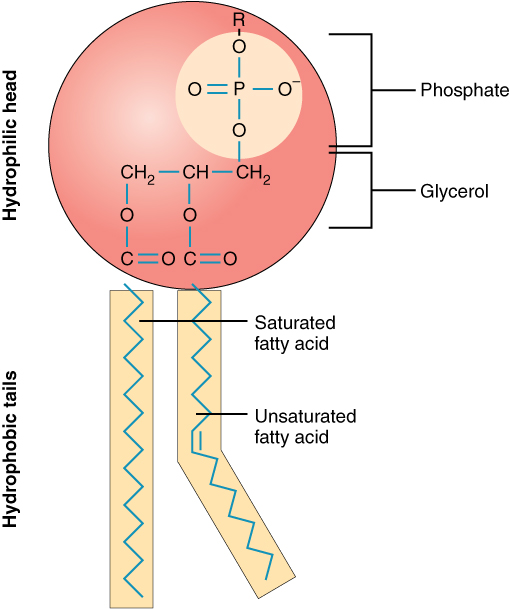
Phosphatidic acid has an appealing muscle-signaling mechanism, yet the small human literature remains inconsistent and does not support guaranteed gains.
The shortcut that has not been proven
Phosphatidic acid is marketed as a way to turn on muscle growth, often with the name mTOR placed front and center. That pitch starts with real biology: phosphatidic acid is a signaling lipid, and mTOR helps coordinate muscle protein synthesis after resistance exercise and feeding. The missing step is a reliable human result. In trained people, lifting already sends a powerful growth signal. A supplement must add a meaningful effect on top of progressive training, enough protein, energy and recovery. So far, the controlled evidence has not shown that advantage consistently.
What mTOR does—and does not prove
Think of mTOR as part of a cellular control panel, not an on-off switch for visible muscle. Mechanical tension, amino acids, energy status and many signaling molecules feed into the system. A compound can affect that pathway in cells while failing to change strength or muscle thickness over weeks. The dose that reaches human tissue may differ from a laboratory exposure, and a brief molecular response may not persist. This is why pathway diagrams are useful for forming a hypothesis but cannot replace a randomized training study with a comparable placebo group.
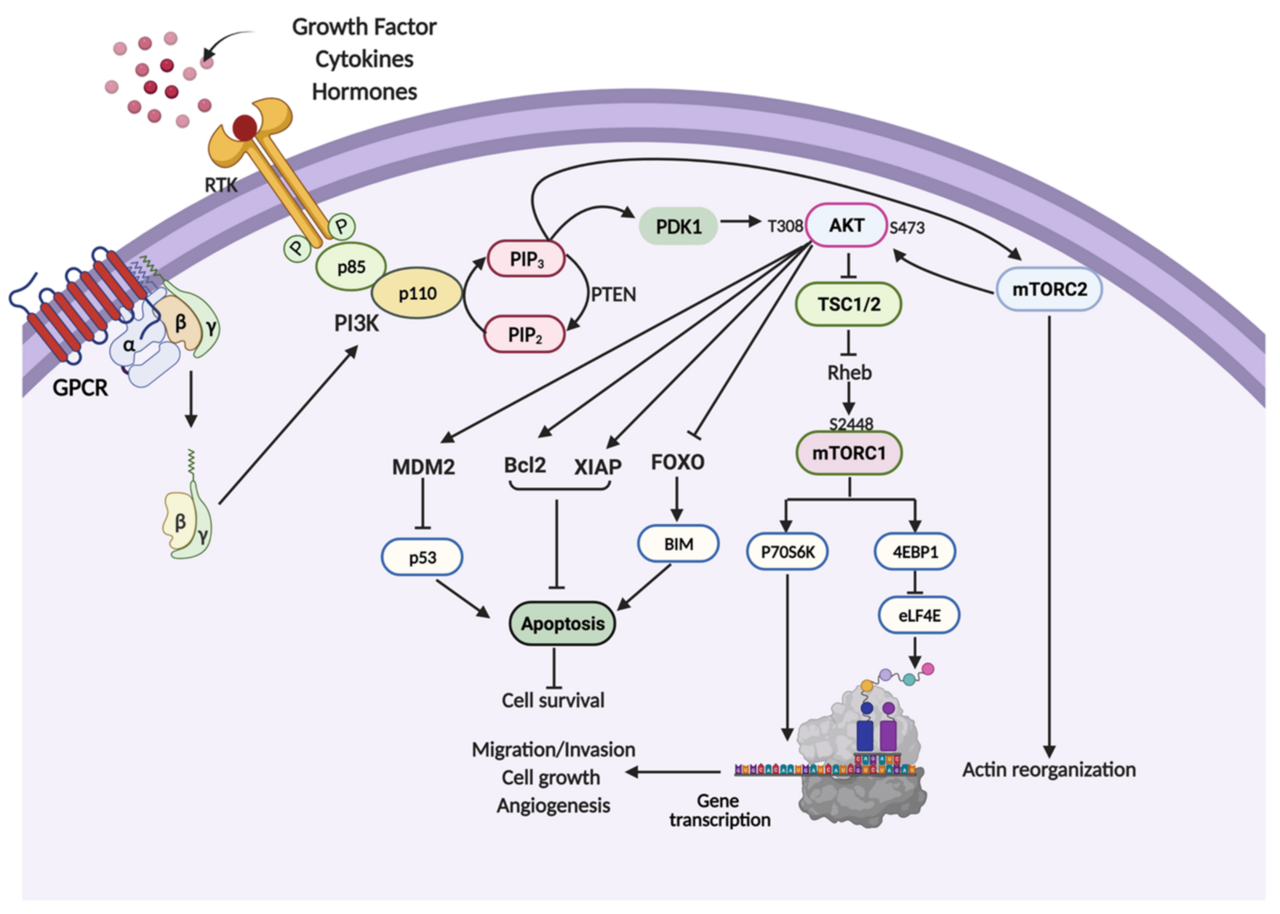
The small null trial deserves attention
One eight-week study enrolled 15 resistance-trained men who took 750 milligrams of phosphatidic acid or placebo while following supervised training three days per week. Both groups improved, which is exactly what a solid training plan should do. After accounting for baseline values, the researchers found no between-group difference in measured muscle thickness or one-repetition maximum squat, deadlift and bench press. A study this small cannot rule out every possible effect, but it directly tests the claim athletes care about and does not support a clear added benefit.
Why the full literature stays uncertain
A scoping review found only six relevant studies through August 2020. Some suggested favorable changes, while others did not. One positive study used a product containing other potentially anabolic ingredients, making it impossible to credit phosphatidic acid alone. Most participants were men, protocols differed and the total evidence base was too small for confident conclusions. The reviewers’ bottom line was that the evidence did not support phosphatidic acid for better performance or body composition in young or older men. That conclusion is more useful than selecting one favorable trial.
Spend effort where the signal is clearer
For muscle gain, build the plan around progressive overload, enough total calories, protein spread across the day and adequate sleep. Creatine monohydrate has a much deeper performance literature than phosphatidic acid for high-intensity training. If you still test phosphatidic acid, use a product that states the actual amount and carries independent sport certification, then track body mass, training loads and repeated circumference or imaging measures over months, not days. Do not assume soreness, a pump or rapid scale change equals new muscle. The honest status is promising mechanism, limited and conflicting human proof.
Measure growth, not marketing signals
A fair muscle-gain test needs more than a mirror and a good pump. Record the same lifts, set targets and rest periods, and compare performance over several training blocks. Measure body mass under consistent conditions and, if you use circumference, mark the site and control hydration. Ultrasound or DEXA can add information, but even those tools have measurement error. A supplement that truly helps should add a repeatable advantage beyond normal training progress. Also inspect the source of phosphatidic acid on the label. Soy-derived and other materials may differ, while research products are not always identical to retail capsules. Do not assume a product containing lecithin delivers the studied phosphatidic-acid amount. If the serving hides the dose in a blend, the comparison stops there. People with a soy allergy should verify the source and allergen statement. The larger lesson is useful across sports nutrition: molecular signaling can explain why scientists run a trial, but the trial must still show a worthwhile human result. Phosphatidic acid has not cleared that bar consistently.