Guide: D-Ribose for Workout Recovery—ATP Biology Does Not Guarantee Faster Bounce-Back
D-ribose is part of ATP chemistry, but trials on power, soreness and recovery give mixed answers that depend heavily on the test.
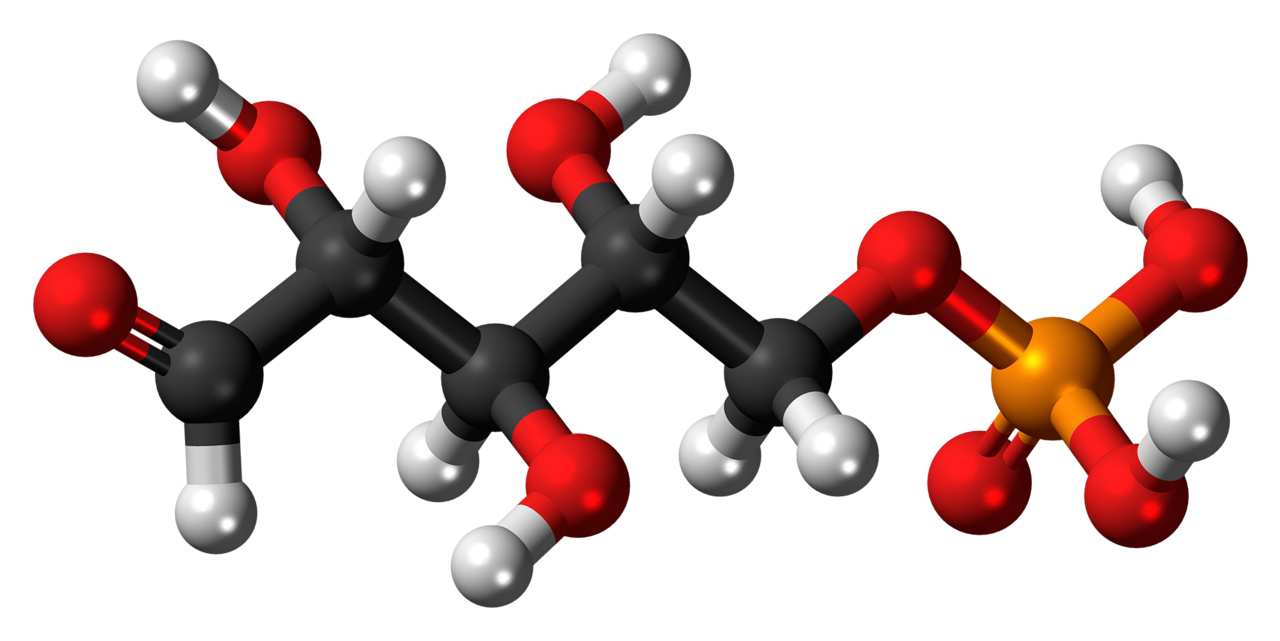
D-ribose has a logical energy story and a few positive recovery signals, but controlled studies do not consistently improve power or ATP restoration.
The energy claim in plain English
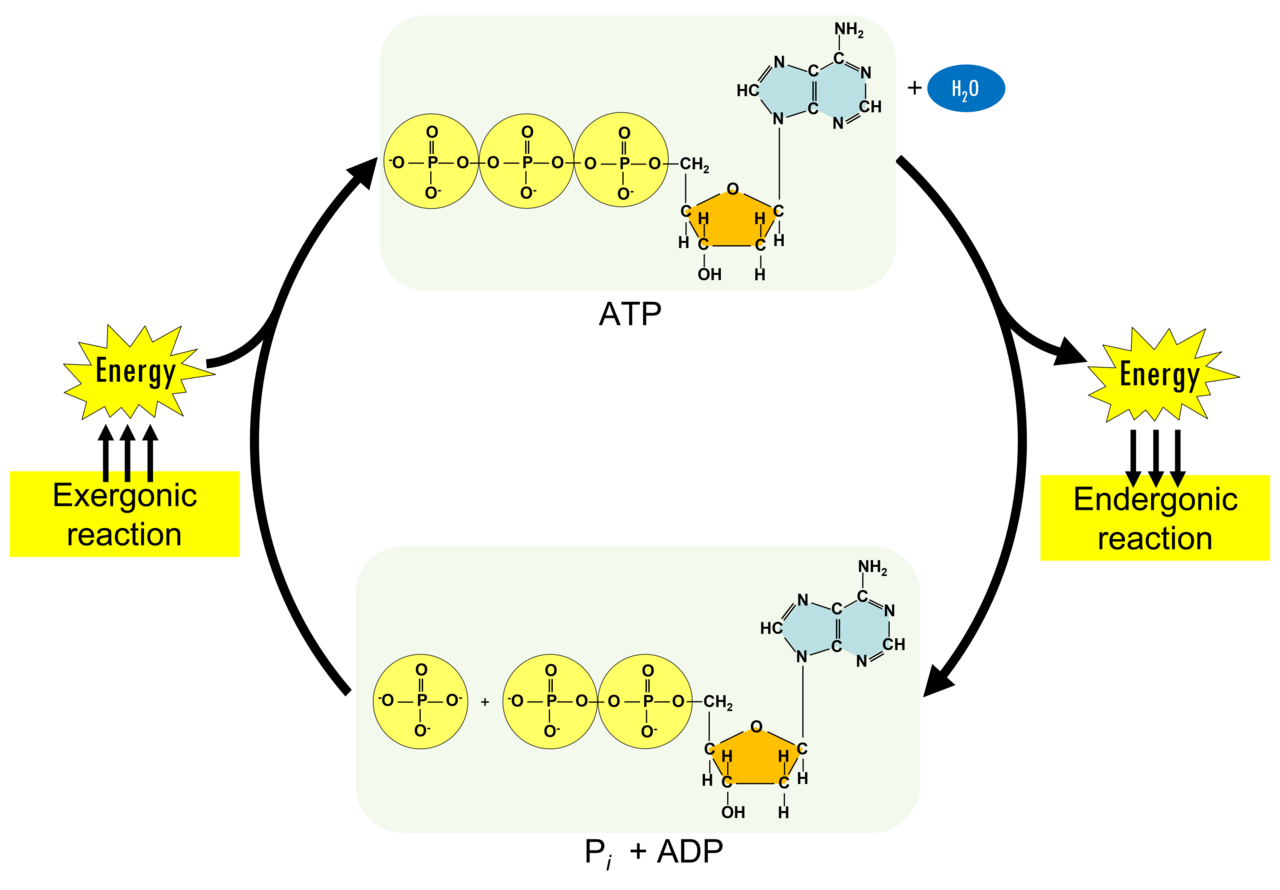
D-ribose is a sugar used to build ribonucleotides, including the backbone of ATP, the molecule cells continually spend and recycle for energy. That connection makes a recovery powder sound almost self-evident: supply more ribose, rebuild ATP faster, train better tomorrow. Healthy muscle metabolism is more tightly regulated than that slogan suggests. The body makes ribose through the pentose phosphate pathway, and ATP recovery depends on oxygen delivery, mitochondria, training status, rest and fuel. In athletes, extra ribose has not reliably become extra power.
A direct ATP test found no advantage
A double-blind study gave 19 participants either ribose or placebo during six days of repeated maximal knee-extension training. Power improved after training in both groups, but ribose did not add a benefit. In a subgroup that underwent muscle biopsy, ATP and total adenine nucleotides were still reduced immediately and 24 hours after the exercise bout in both conditions. The study therefore tested the central marketing idea directly and did not find faster post-exercise ATP recovery or better maximal intermittent performance from 16 grams per day.
Why some newer results look brighter
A crossover study in 26 healthy adults compared 10 grams per day of D-ribose with dextrose across repeated interval sessions. Participants with lower aerobic fitness maintained mean and peak power better and reported lower exertion with ribose, while the higher-fitness group showed no such differences. Another small trial in 21 male college students reported less soreness and lower blood markers of muscle damage after plyometric exercise, but no difference in isokinetic strength. Those signals are worth studying, yet subgroup findings and surrogate markers are not the same as a repeatable performance benefit.
Product and protocol details change the question
Studies use different total doses, timing schedules, exercise modes and comparison products. A result after unaccustomed plyometrics may not apply to a trained lifter, and a lower creatine kinase value does not prove the next session will be better. D-ribose also provides carbohydrate, but it is not a standard replacement for the glucose and fructose mixtures used to fuel long exercise. Large divided amounts may cause stomach discomfort or lower blood sugar in some people, which can work against a productive training day.

A practical recovery order
First replace the basics the session actually used: fluid, sodium when sweat losses are high, carbohydrate after glycogen-demanding work and enough daily protein. Then protect sleep and allow a workload you can recover from. If you still try D-ribose, use a clearly labeled single-ingredient product, start below the research totals to assess tolerance and keep meals and training matched during the test. People with diabetes, recurrent low blood sugar, pregnancy or significant medical conditions should discuss it with a clinician. Judge success by repeated performance and readiness, not by the energy story on the label.
Separate recovery feelings from recovery capacity
Soreness, tiredness and performance do not always move together. A supplement might reduce a soreness rating without restoring force, or change a blood marker without improving the next workout. Decide in advance which outcome matters. For back-to-back competitions, repeat power or pace is more useful than creatine kinase. For a new lifting block, completed volume and progression matter more than how tender a muscle feels 24 hours later. This distinction also protects against the placebo effect, which can strongly shape perceived energy and soreness. Use the same warm-up, test time and prior-day workload, and avoid looking at the result until several sessions are complete. Check the product for total carbohydrate, sweeteners and serving frequency, because repeated 10- to 15-gram doses can add cost and gastrointestinal load. D-ribose is mildly sweet but does not function like a standard endurance carbohydrate plan. If you feel shaky, lightheaded or unusually weak after a dose, stop the experiment and check in with a clinician. Recovery should make training more repeatable, not merely make a biochemical story feel complete.