Protein powder labels: compare the serving before the slogan
How to compare protein powders using serving size, protein source, food intake, and the evidence behind training claims.
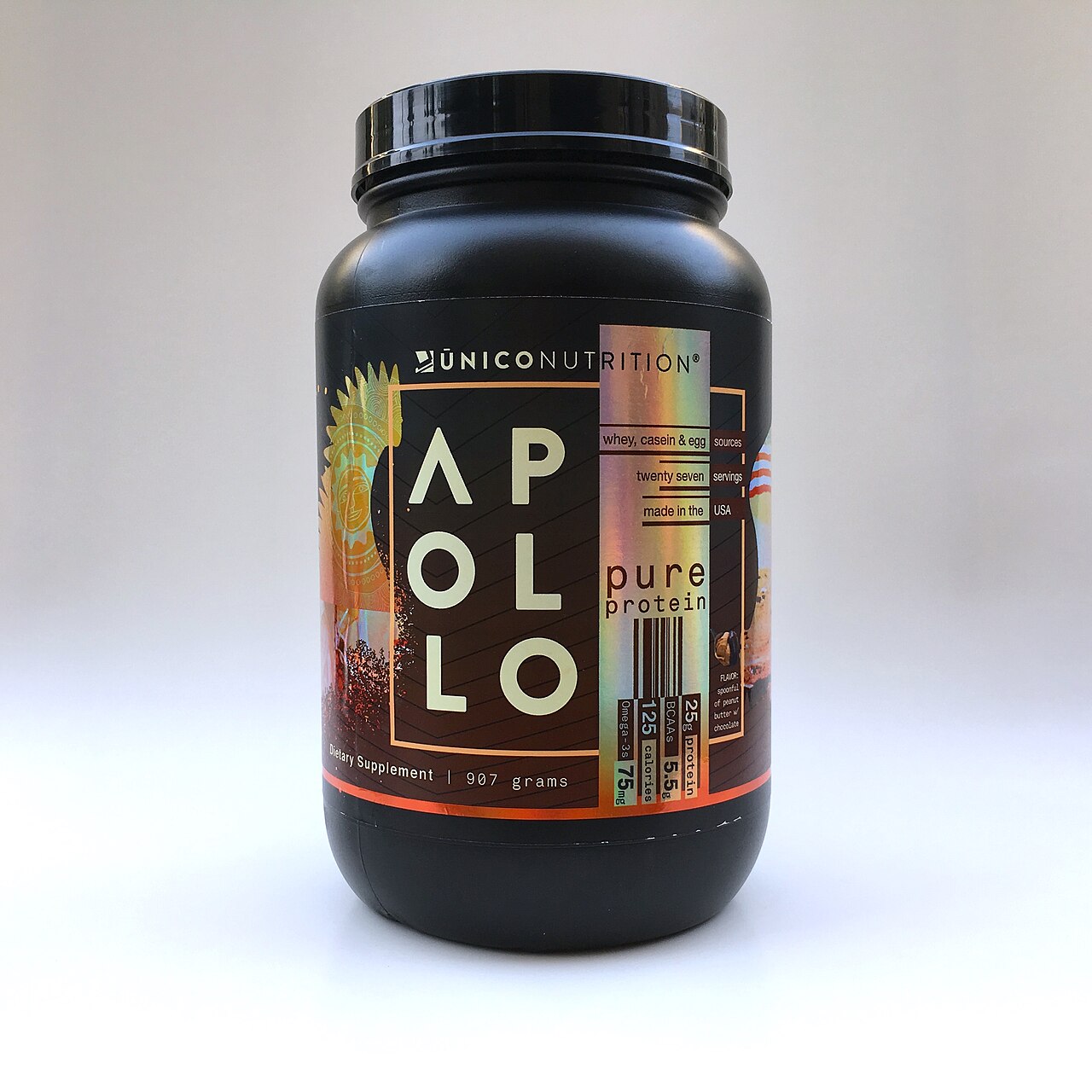
Compare protein per serving and the practical dietary gap before paying for extra ingredients or ambitious training claims.
Define the gap a powder would fill
A protein powder can be convenient without being essential. That is a useful starting point when a store shelf offers products for strength, recovery, lean muscle, and almost every other training goal. Before comparing flavors or package designs, identify the practical problem: a rushed breakfast, limited access to food after training, or a dietary pattern that needs closer review. Different problems can have different solutions.
The Australian Institute of Sport places protein supplements within a food-first approach and notes that ordinary protein-rich foods can meet several nutrition goals together. A powder may solve a convenience problem, while a meal also provides other nutrients and energy. Treating convenience as the actual benefit makes the purchase easier to evaluate without turning a supplement into a requirement for exercising.

Compare protein, not scoop size
The scoop is a utensil, not a standardized nutrition unit. Two powders can have similar scoop sizes but different amounts of protein. Compare the labeled grams of protein per serving, the number of servings per container, and the price for those servings. Record whether the serving requires one scoop or several, because a low-looking price can obscure a smaller useful quantity.
Protein source also matters to the comparison. A whey product, soy product, and mixed plant formulation are not identical foods simply because they sit in the same aisle. Someone avoiding dairy or another allergen should read the full ingredient and allergen information. Choosing an appropriate source is a separate question from accepting a manufacturer's broad claim that its powder is the best.
Match the research to the claim
A study may examine overall protein intake during resistance training, rather than a particular powder sold today. When a brand cites that study, ask whether the advertised product was actually tested and whether the research compared supplements against an already adequate diet. Evidence about a nutrient cannot automatically establish that a premium version of the nutrient produces a better outcome.
The AIS notes that simpler concentrates or isolates may be adequate where a supplement is useful, without the extra cost of unnecessary ingredients. That observation suggests a clear shopping question: what does the more expensive option add that you need? A longer ingredient list and technical vocabulary are not measurements of greater strength, better recovery, or better value for the individual buyer.

Check what else is in the container
Check for additional ingredients such as caffeine, botanicals, vitamins, or other performance compounds. A product called a protein blend may do more than supply protein. If you already use a pre-workout or multivitamin, those additions may overlap. Photographing both ingredient panels can make the overlap visible in a way that remembering product names usually does not.
Competitive athletes have another comparison to make: whether the exact product has suitable sport-related quality checks and fits their organization's rules. General nutrition research does not verify the contents of a particular batch. A familiar brand name is also not a guarantee that every product in its range has the same formulation, testing, or competition-related suitability.
Make the comparison practical
For a useful personal comparison, write down the food-based alternative, the powder's protein content, its other ingredients, its cost per serving, and the reason you would use it. This turns a vague promise of better training into a concrete decision. Taste and practicality can reasonably matter, but they should be recognized as preferences rather than evidence of a stronger physiological effect.
Someone with a medical condition or special dietary needs may need individualized advice before changing protein intake substantially. For everyone else, the central consumer lesson is straightforward: compare the serving, understand the source, and identify the job the product would do. Protein powder can be a practical food option, while the label's most ambitious slogan may still deserve a skeptical reading.
Sources & further reading
This article provides educational information. Ask a qualified clinician or pharmacist about your symptoms, medical conditions, medicines and supplement interactions.