Liva Flirty Time Review: Women’s Intimate Wellness Outside the Training Scorecard
A training-aware review of Liva’s women’s wellness gummies, ashwagandha studies, nutrient totals, product quality questions, and subscription terms.
Liva’s flavored gummy may suit active women exploring a personal intimate-wellness option. Evaluate its formula and research separately from sports-performance claims, and verify any sport-specific testing needs before use.
A personal wellness goal beyond performance numbers
Training can make people attentive to what they eat, how they recover, and which products fit their routines. It can also make it easy to think of every wellness choice as another performance metric. Liva Flirty Time offers a different focus: women’s intimate well-being, presented in a strawberry-peach gummy with ashwagandha. For an adult woman who wants a convenient botanical option to explore, that friendly format is an understandable attraction.
The useful angle for Performance Nutrition Wire is how to assess the product without turning intimacy into a training target. Liva is not established here as an endurance aid, strength supplement, recovery treatment, or solution for energy deficiency. Its proposed role is female sexual wellness. This review looks at the current ingredients, relevant human studies, practical format, and purchasing details. The aim is a clear product decision that respects a woman’s own interests, rather than assuming that a supplement should improve every part of an active life.

The gummy’s convenience is a genuine feature
The official listing describes a strawberry-peach flavor and pectin-based gummy structure, and the checkout identifies 30 gummies per pack. A chewable product needs no shaker, scoop, or liquid preparation. Someone who already carries training equipment and plans meals may appreciate that simplicity. For a person who dislikes swallowing capsules, the format can also be more inviting than adding another tablet to the day.
That convenience deserves to be evaluated separately from efficacy. An enjoyable flavor and portable bottle can make a product attractive, but they do not establish a stronger biological effect. Nor has this review physically tested the texture, packaging, or portability during sport. The documented feature is the seller’s gummy format. A shopper can appreciate that format while still asking whether the actual ingredient amounts, nutrient contribution, and recurring price fit. The best routine is not the one with the largest number of products, but the one whose components have a clear and appropriate purpose.
What the current formula shows
The official facts graphic lists 25 mg of ashwagandha root, 2 mg of zinc as citrate, and vitamin D2 at 100 mcg or 4,000 IU. The catalog’s “25mg” description aligns with the root amount shown in that graphic. Those figures should be used for this product rather than replacing them with the amount in a different sports supplement or ashwagandha study. The panel does not visibly include a formal serving-size line, so the complete bottle label should be obtained before use.
Other ingredients include glucose syrup, sugar, glucose, pectin, citric acid, sodium citrate, natural strawberry flavor, vegetable oil with carnauba wax, and spinach powder. Pectin helps explain the chewable structure but does not independently establish a vegan certification or a comprehensive allergen guarantee. An athlete with a specific dietary requirement should ask for the current complete label. Clear information makes the product easier to fit around an existing nutrition plan, especially when several supplements already contribute overlapping ingredients.
Ashwagandha is relevant, but the claim needs a defined target
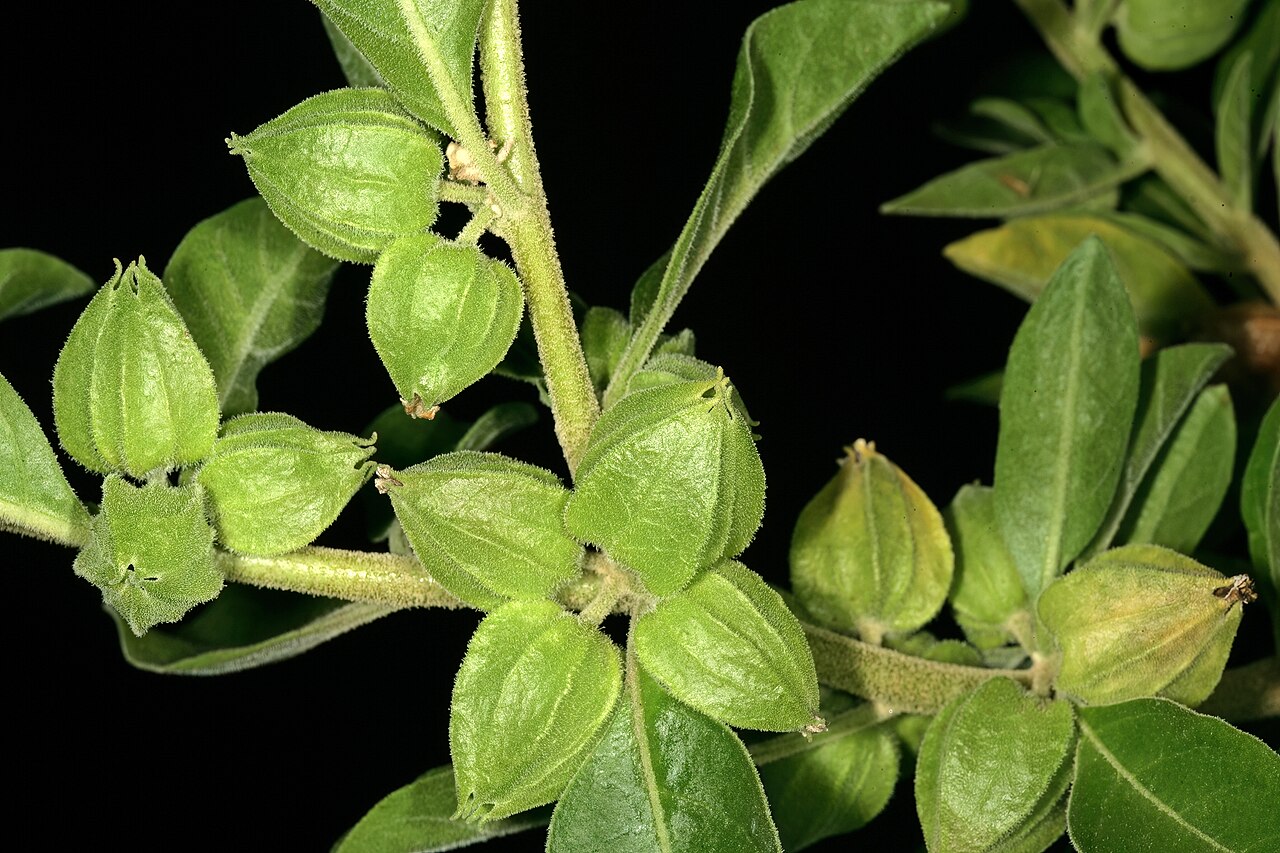
Withania somnifera, commonly called ashwagandha, has been studied in different root and root-and-leaf preparations. NIH describes encouraging short-term findings for stress and sleep with some extracts, while emphasizing variation among studies and uncertainty about longer-term use. That research direction makes sense for a women’s wellness concept that connects relaxation with intimate experience. A busy training schedule can leave little space for personal enjoyment, making the subject worth attention.
It does not follow that Liva improves athletic adaptation, increases power, or accelerates recovery. Those would be separate claims requiring direct evidence for the relevant outcome and product. Likewise, a study of an ashwagandha extract in one population does not automatically support the same effect from a gummy with a different amount. The botanical is interesting because human research exists. The next question is always which preparation was used, what was measured, and whether the commercial formula is meaningfully comparable.
The female studies focus on experience and satisfaction
A 2015 randomized pilot enrolled 50 women and compared concentrated root extract with placebo over eight weeks, with counseling offered in both groups. Overall sexual-function scores and several domains favored the extract, including arousal, lubrication, orgasm, and satisfaction. Desire did not significantly outperform placebo in the corrected analysis, and pain did not meet the corrected threshold either. These distinctions matter because a broad sexual-function result should not be compressed into a promise of stronger desire.
A 2022 randomized trial of 80 women also found favorable total sexual-function and sexual-distress outcomes with root extract. Its detailed table showed no significant between-group desire change at eight weeks, despite broader wording in the abstract. The research provides an encouraging reason to investigate the ingredient in women’s well-being. It does not describe a sports-performance intervention or establish how an individual active woman will respond. Neither study tested the finished Liva gummy, and neither turns sexual satisfaction into an outcome that should be tracked like a race time.
The dose and use pattern are important differences
The cited female trials used KSM-66 root extract at 300 mg twice daily over eight weeks. Liva’s current graphic lists 25 mg of root. That is a substantially different labeled amount, and extract composition also matters. An ingredient name alone cannot bridge the difference. A claim of equivalent potency or results would need evidence about the actual preparation and its response in people, rather than an assumption based on the plant’s reputation.
The graphic also pairs a 3% withanolide standardization with a bracketed 1.5 mg figure beside 25 mg of root. Those values do not agree mathematically, because 3% of 25 mg equals 0.75 mg. A clarified panel and product-specific analytical report would make the comparison more useful. Taking extra gummies to approach a research amount is inappropriate. It would increase every other ingredient, particularly vitamin D, and still would not recreate the studied extract or protocol. More product is not a substitute for evidence of a matching formulation.
Adequate fueling remains a separate priority
An active woman’s well-being should not be reduced to a supplement choice. The Female Athlete Triad Coalition’s updated clinical guidance describes relationships among energy status, reproductive function, and bone health. When energy deficiency is present, addressing it is a central part of appropriate care. A gummy marketed for intimate wellness does not correct an inadequate overall energy intake or replace assessment of menstrual changes and bone concerns.
This is relevant context without assuming that every athlete with lower sexual interest has an energy problem. Symptoms can have multiple explanations, and an individual assessment matters. If fatigue, menstrual disruption, recurrent injuries, or other concerning changes accompany a shift in well-being, they deserve attention on their own terms. Liva may still be an optional product of interest, but it should not distract from the basics that support health. A positive routine gives food, recovery, medical care, and personal enjoyment the space each requires rather than asking one supplement to perform every role.

Vitamin D should be counted across the whole stack
Vitamin D supports calcium absorption and normal bone and muscle function, making it a familiar nutrient in active people’s routines. The D2 form in Liva is ergocalciferol, a recognized supplement ingredient. Its presence does not establish a performance advantage or prove a sexual-health benefit for someone who already has adequate vitamin D. Nutrient importance and evidence for a specific extra benefit are different questions.
The current 100 mcg, or 4,000 IU, amount equals the NIH adult upper daily intake level. That limit concerns routine total intake and is not the usual recommended amount. A multivitamin, a bone-health product, or a separate vitamin D supplement may already contribute substantial amounts. Reviewing the combined routine with a clinician or sports dietitian is therefore important before Liva is added. An athlete should not multiply the gummy count to chase a botanical result, because the vitamin D total would rise as well. A convenient format still requires an appropriate total intake.
Sport-specific quality questions go beyond a general test claim
The seller describes U.S. manufacturing, cGMP practices, and third-party testing for identity, purity, potency, and contaminants. Those are useful quality objectives. An athlete, however, has an additional question: does the exact product and lot have verified testing or certification for substances prohibited in sport? A generic third-party statement is not automatically the same as a sport-specific certification. This review did not identify a verified sport-certification listing for the current Liva product.
USADA advises athletes to consider supplement risk and, when using supplements, to reduce that risk through appropriate third-party certification. Certification reduces rather than eliminates risk, and USADA does not endorse a supplement simply because a seller uses quality language. A tested athlete should consult the current certification database and support team before use. That is a distinct issue from whether a botanical has promising clinical research. A product can be appealing as a wellness concept while still requiring a separate decision about competition rules and contamination exposure.
The timing concept should stay flexible
The adjacent directions graphic suggests one gummy 30–60 minutes before intimacy or when relaxation, mood, and desire support is wanted. That is a simple use idea and may suit someone who prefers a flexible routine. The main page also tells customers to follow the bottle label. The timing should not be interpreted as proof that the finished gummy has an immediate effect, especially because the female studies assessed repeated use across eight weeks.
Intimacy is not a workout that needs to be completed because a product was taken. A woman remains free to feel interested, uninterested, tired, or ready for a different kind of connection. A supplement should not create a deadline or an obligation to a partner. The most useful personal goal is one she chooses herself, such as exploring a convenient wellness format or making more room for enjoyment. That perspective keeps Liva’s positive presentation from becoming another pressure to optimize an already busy life.
Personal suitability still comes first
NCCIH advises avoiding ashwagandha during pregnancy and not using it while breastfeeding. Thyroid or autoimmune conditions, liver concerns, upcoming surgery, and medicines with interaction potential also need review. Possible effects include drowsiness and gastrointestinal symptoms, and rare liver injury has been reported with ashwagandha supplements. These points are particularly worth discussing if alertness, medication timing, or a complex supplement routine is already relevant.
Long-term safety is less established than the short-term experience in small trials. A pharmacist or clinician can assess the actual bottle label alongside medicines and other products, rather than relying on the name or a general “natural” description. The current online nutrition panel also needs correction: it lists 2 g of total carbohydrate but 4 g of added sugars. That inconsistency prevents reliable carbohydrate accounting from the graphic alone. Obtaining a clear current panel is a straightforward step toward a product choice that fits the person’s real needs.
Comparing the offer with the ongoing commitment
The official catalog shows one pack for $79.95, two for $139.95, and three for $179.95. Larger bundles lower the average pack cost, but they do not imply stronger evidence or faster effects. The selected checkout total is the relevant amount to review, particularly because rounded per-bottle banners do not reproduce every bundle total exactly when multiplied. Free shipping is advertised for the current offer.
The product-specific one-pack checkout describes a subscription: $79.95 today, the first renewal 28 days after ordering, and the same selected bundle renewing every 28 days thereafter at that price. Cancellation is described as available through customer support without cancellation fees or penalties. Check the chosen bundle’s own renewal details before buying multiple packs. The product page advertises a 30-day guarantee, while checkout and returns information mention 90 days, so the applicable written return conditions should be clarified before payment. Value includes understanding the commitment as well as liking the format.
Our view for active women considering Liva
Liva Flirty Time has a welcoming product identity, a convenient strawberry-peach gummy format, and an ingredient with encouraging early research on aspects of women’s sexual well-being. Those features make it reasonable to explore for a suitable adult woman who enjoys gummies and wants a female-focused wellness option. The current amount differs from the trial regimens, and a finished-product effect has not been established in the material reviewed.
For active readers, the best decision also considers energy needs, total vitamin D, medicines, and any sport-specific certification requirements. Liva should not be expected to replace fueling, recovery, or clinical care, and it need not improve a performance metric to be personally interesting. With a clarified label and understood subscription terms, the product’s convenience may be appealing. The strongest approach keeps enjoyment and autonomy at the center, allowing intimate well-being to be part of a full life rather than another score to pursue.
Sources & further reading
- Liva Flirty Time: current official product listing ↗
- Current official Supplement Facts and directions graphic ↗
- Liva product-specific checkout and subscription terms ↗
- Shop UltraCore return policy ↗
- Dongre et al.2015: randomized pilot of ashwagandha root extract and female sexual function ↗
- Ajgaonkar et al.2022: randomized trial of ashwagandha root extract and female sexual health ↗
- NIH Office of Dietary Supplements: Ashwagandha, health professional fact sheet ↗
- NCCIH: Ashwagandha usefulness and safety ↗
- NIH Office of Dietary Supplements: Vitamin D ↗
- NIH Office of Dietary Supplements: Zinc ↗
- 2025 Female Athlete Triad Coalition Consensus Statement: clinical guidelines ↗
- U.S. Anti-Doping Agency: Supplement Connect ↗
- FDA: Information for consumers on using dietary supplements ↗
This article provides educational information. Ask a qualified clinician or pharmacist about your symptoms, medical conditions, medicines and supplement interactions.