Curcumin for workout recovery: formulation and outcome both matter
A guide to curcumin and turmeric recovery research, low-certainty findings, bioavailability formulas and safety.
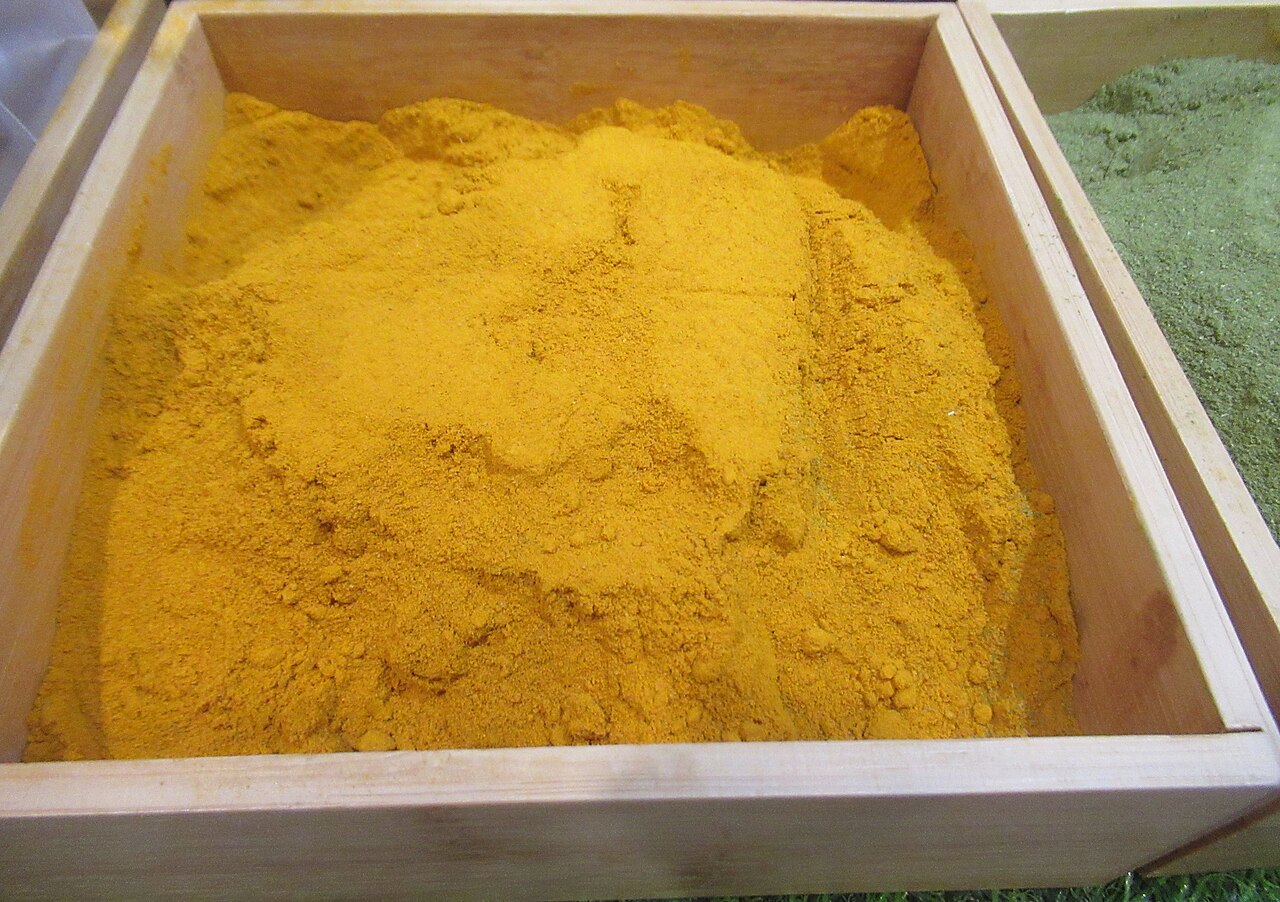
Curcumin may affect selected recovery markers, but inconsistent outcomes, formulation differences and safety concerns argue against universal recommendations.
Recent evidence remains heterogeneous
A 2026 systematic review of 15 randomized double-blind placebo-controlled trials found favorable results in some studies of oxidative stress, muscle damage, inflammation, soreness and performance. The pattern was inconsistent, however, and certainty was rated low for oxidative-stress outcomes and very low for the other major domains. That combination is important. A review can identify promising signals while still concluding that broad practical recommendations are premature. Readers should resist both extremes: one positive trial does not prove universal recovery, and uncertainty does not mean every observed effect is false.
Recovery markers are not interchangeable
Creatine kinase, inflammatory cytokines, soreness ratings, range of motion, strength recovery and later athletic performance answer different questions. A 2025 randomized crossover trial of a bioavailable turmeric formula did not improve the primary soreness area-under-the-curve outcome, although several secondary recovery measures favored the product at selected time points. That result should be reported as mixed rather than simply positive. When many outcomes and time points are measured, isolated differences need replication and context. A brand should not promote a secondary laboratory result as if it were the trial’s central conclusion.
Formulation changes the comparison
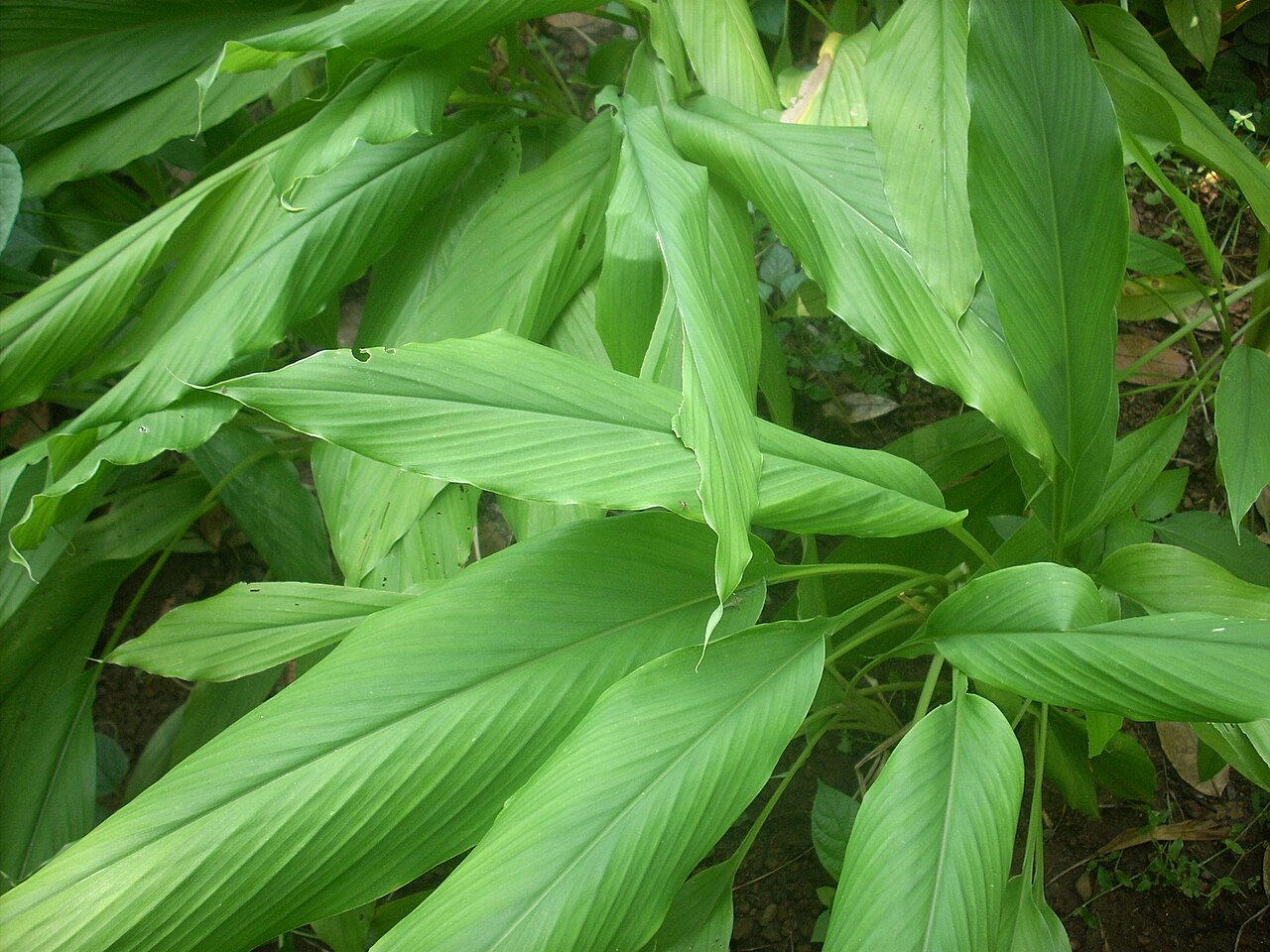
Curcumin has limited bioavailability in conventional preparations, so products use piperine, lipid carriers or other delivery systems. Those technologies can alter exposure and may alter risk. A study of one enhanced formulation cannot validate plain turmeric powder or a different enhancer. Compare the exact ingredient, standardized amount, delivery system, co-ingredients and tested duration. Culinary turmeric also should not be equated gram for gram with a concentrated supplement. The front label may use the same plant image while the products differ substantially in composition and evidence.
Safety is not a footnote
NCCIH states that conventional oral turmeric or curcumin is likely safe in recommended amounts for up to two or three months, but gastrointestinal effects can occur. It also notes reports of liver damage with some highly bioavailable formulations and advises discussion with health professionals when medicines are involved. Pregnancy is another caution. These points matter because recovery supplements are often taken repeatedly during a season. Dark urine, jaundice, unusual fatigue or other possible liver symptoms warrant stopping the product and prompt medical attention rather than experimenting with a lower amount.

Keep the claim proportional
A practical evaluation identifies the exact recovery problem, selects the functional outcome that would matter, and checks whether a comparable population and formulation were studied. It then considers cost, adverse effects, interactions and sport-quality certification. Curcumin may prove useful in selected settings, but it should complement rather than replace sleep, nutrition, load management or assessment of an injury. The current evidence supports cautious language about possible effects on certain markers and recovery measures. It does not support promises that every turmeric or curcumin product prevents soreness, heals joints or guarantees better next-day performance.
Ask whether reducing inflammation is always the goal
Exercise triggers signaling involved in adaptation as well as temporary soreness and inflammation. That makes a simple lower-is-better message incomplete. A supplement might change a biomarker without improving function, and researchers continue to examine whether timing, formulation or prolonged antioxidant and anti-inflammatory exposure could influence training adaptation. Current curcumin studies do not provide one settled answer for every program. Athletes should focus on meaningful recovery and performance outcomes rather than trying to suppress every post-exercise signal. This is especially relevant when the same product is taken after every session for months, while most evidence comes from shorter protocols. A balanced plan uses progressive loading, adequate recovery and medical evaluation for persistent pain. Curcumin research can inform an adjunct decision, but it should not convert normal training responses into a condition that must always be treated.
Because delivery systems differ, adverse-event information from one preparation may not fully describe another; the complete label belongs in any clinician or pharmacist discussion.
Sources & further reading
This article provides educational information. Ask a qualified clinician or pharmacist about your symptoms, medical conditions, medicines and supplement interactions.